Sean Bagshaw Outdoor Exposure Photography

Images from the edge

See all image results...

Search Criteria
Exact matches only
Search in title
Search in content
Content Type
Select all
Search Posts
Search Prints & Stock Photos
Search Events
Search Pages
  • About
    • Sean’s Biography
    • A Look Through My Lens
    • Social Media
    • Alliances
    • Sign Up For My Newsletter
    • Website Tour
    • Interviews And Podcasts
    • CV
  • Tutorials & TK Photoshop Plugins
  • Learn Nature Photography
  • Videos From My YouTube Channel
  • Signed Prints
    • Favorites Of 2023
    • OREGON
    • CANYONS AND RIVERS
    • CITYSCAPES
    • COASTAL
    • DESERTS AND PRAIRIES
    • FLOWERS AND PLANTS
    • FORESTS AND TREES
    • MOUNTAINS AND LAKES
    • NATIONAL PARKS
    • STREAMS AND WATERFALLS
  • PRINT OPTIONS
  • Stock Photography
    • OREGON
    • NORTH AMERICA
    • THE REST OF THE WORLD
    • AGRICULTURE AND VINEYARD
    • BUILT BY PEOPLE
    • NATURAL BEAUTY
    • OUTDOOR AND ADVENTURE
  • Books & Calendars
    • Calendars
    • Washington Evergreen
    • Oregon, My Oregon
    • Photographing Through The Seasons
  • Workshops
  • Events
  • Photography Blog
  • Contact
  •  

Favorite Photos of 2025

December 21, 2025 by Sean Bagshaw Leave a Comment

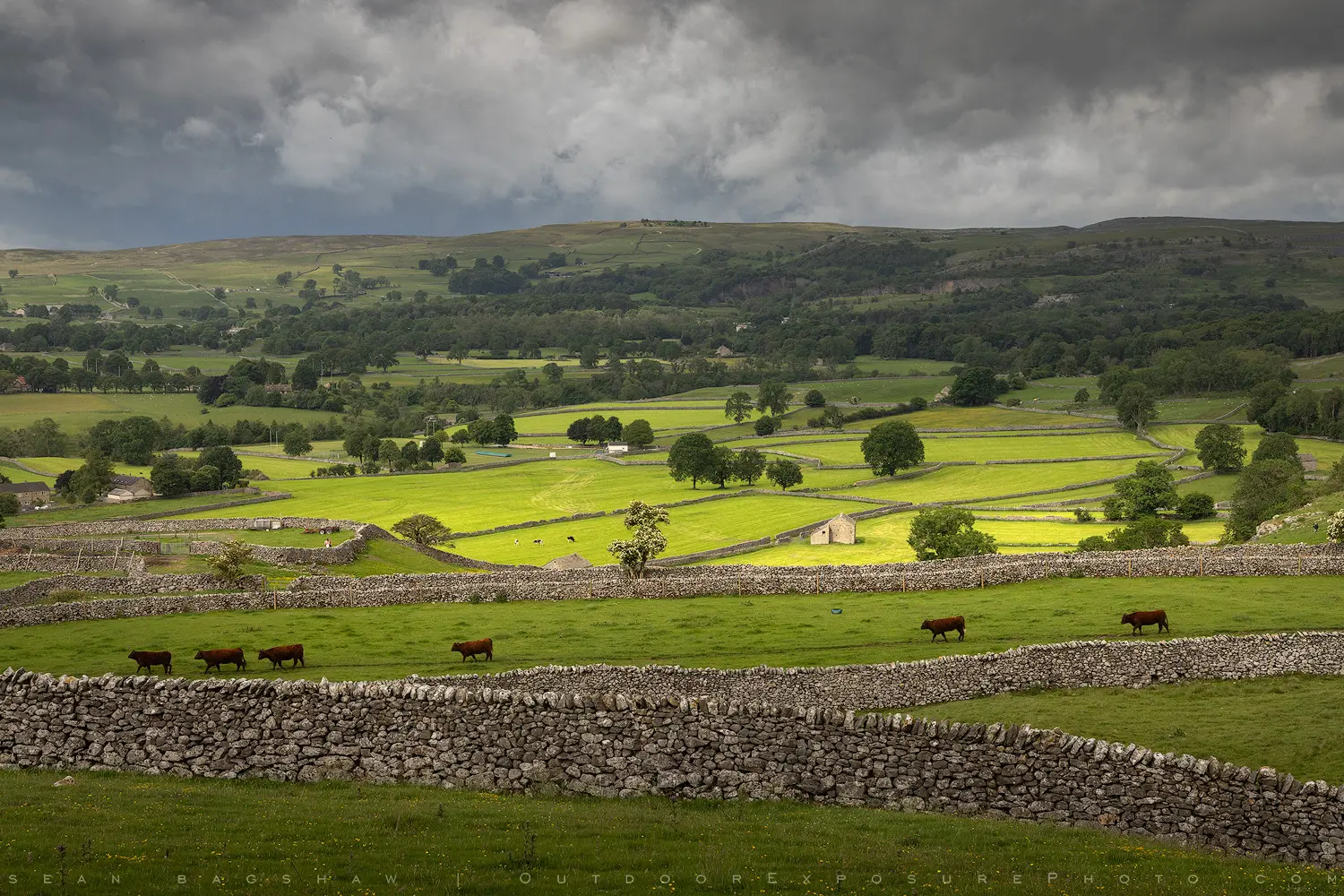
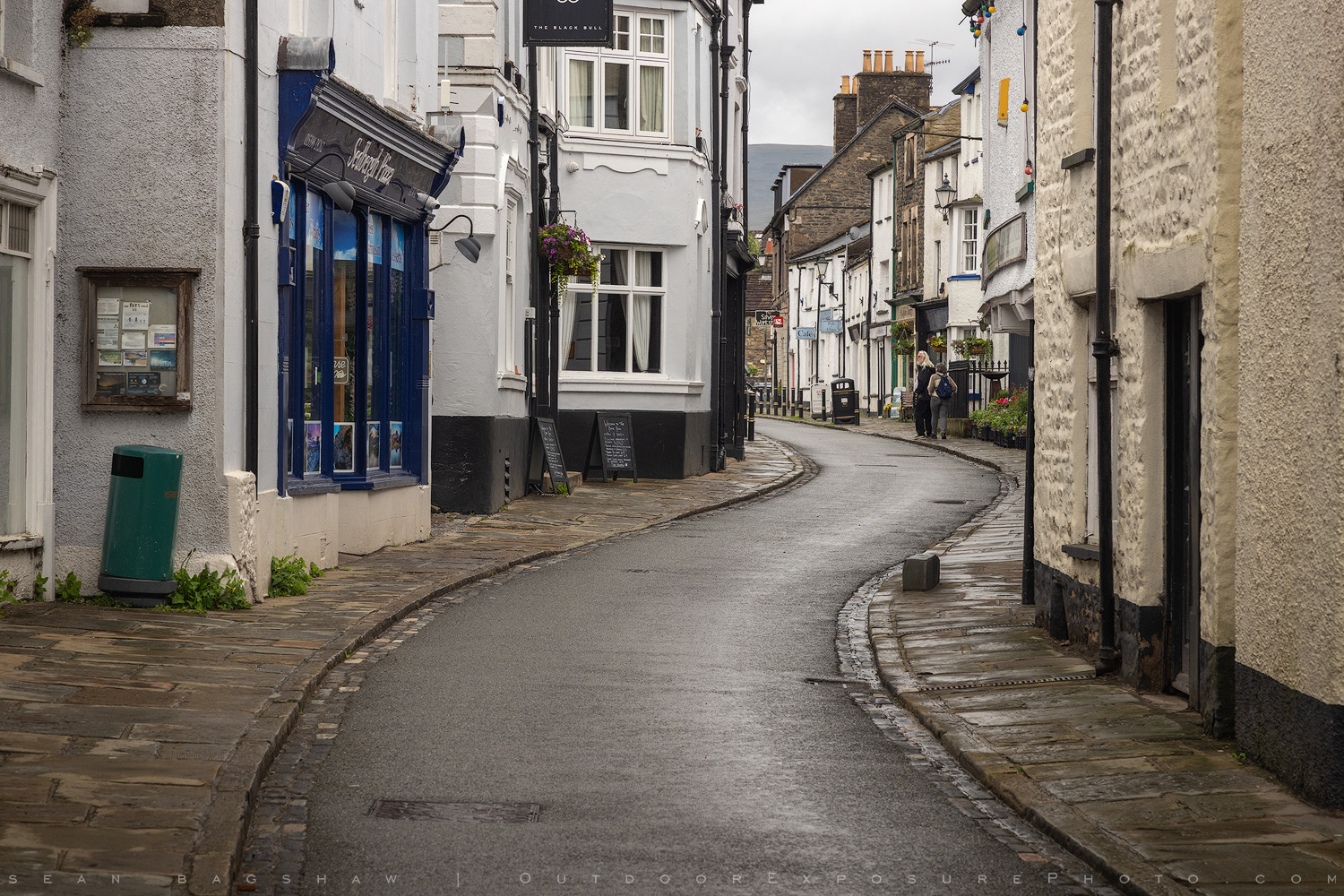
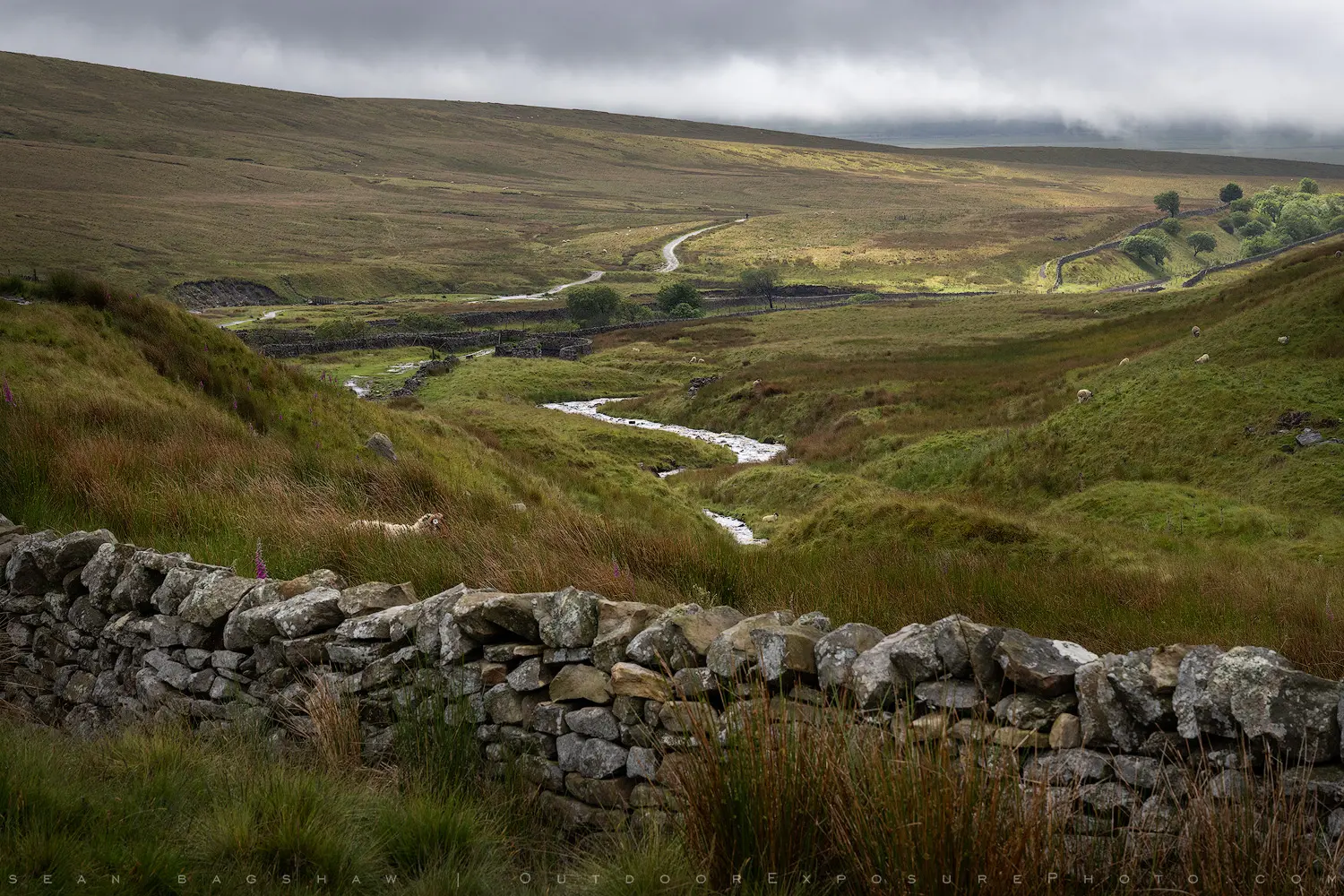
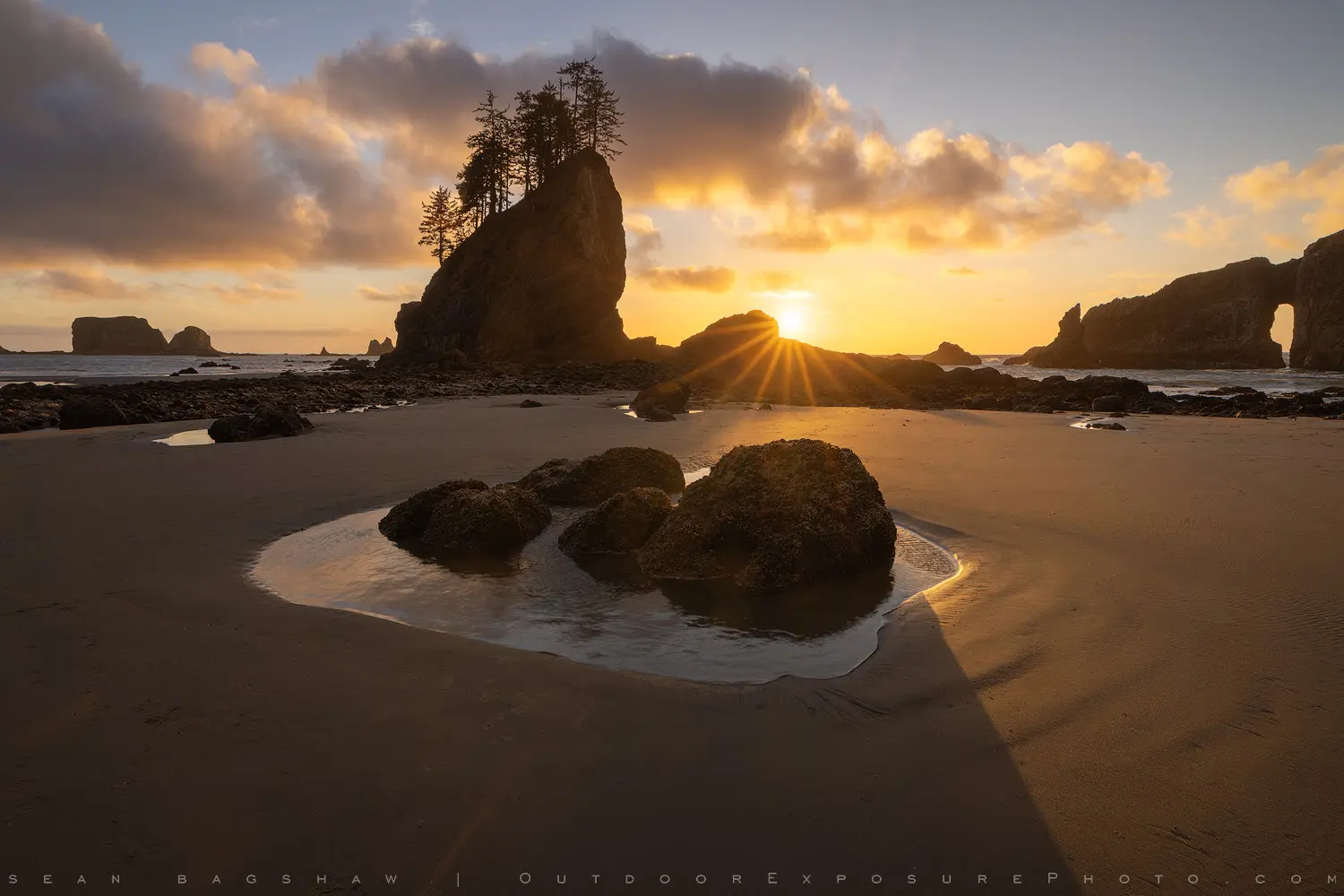
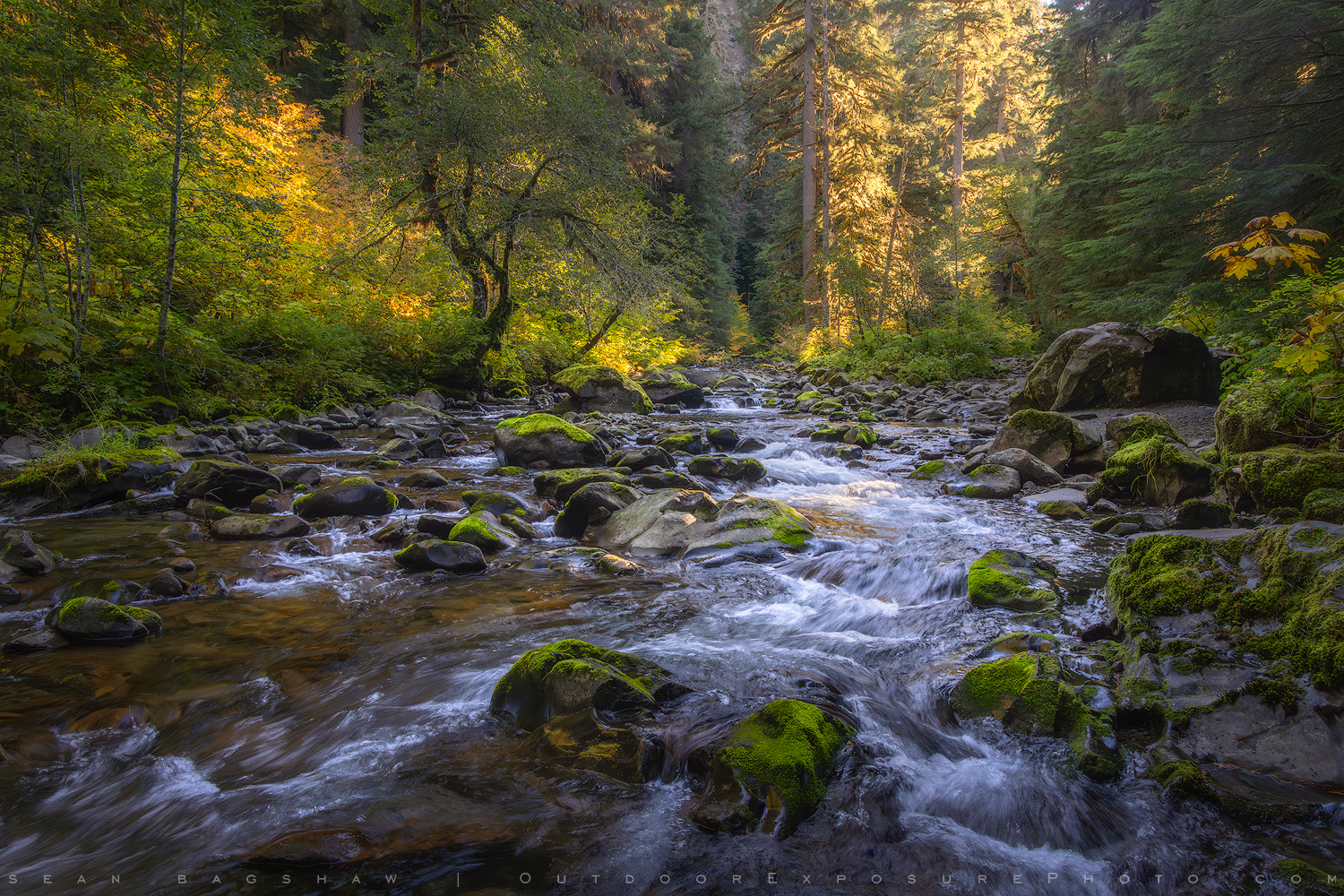
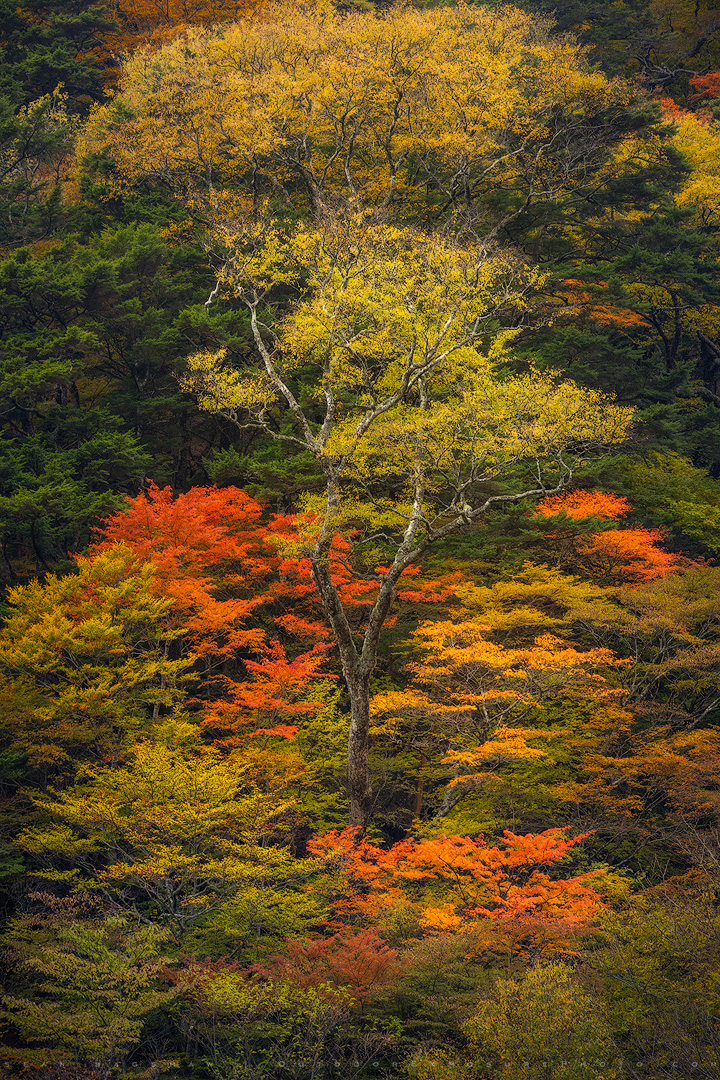
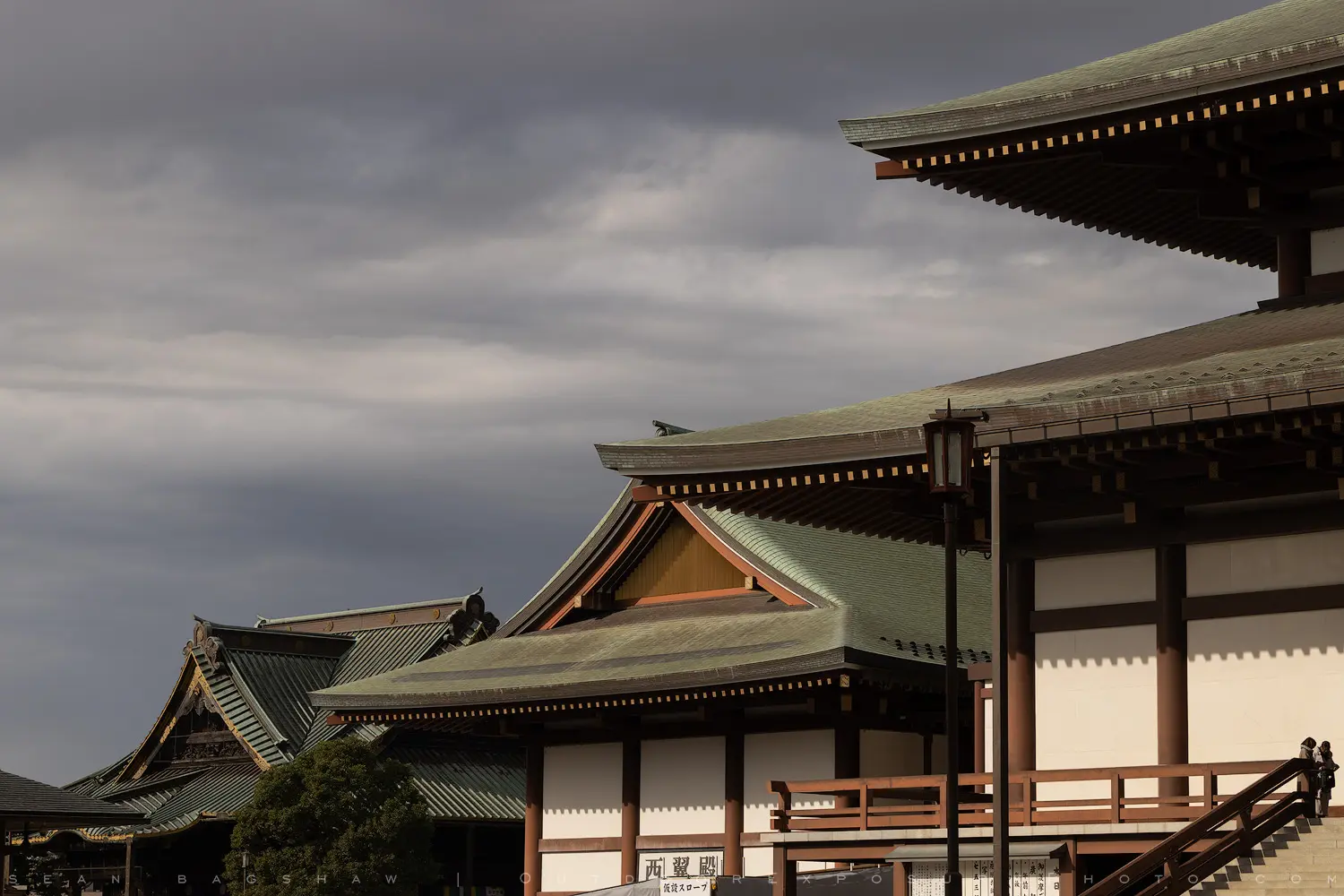
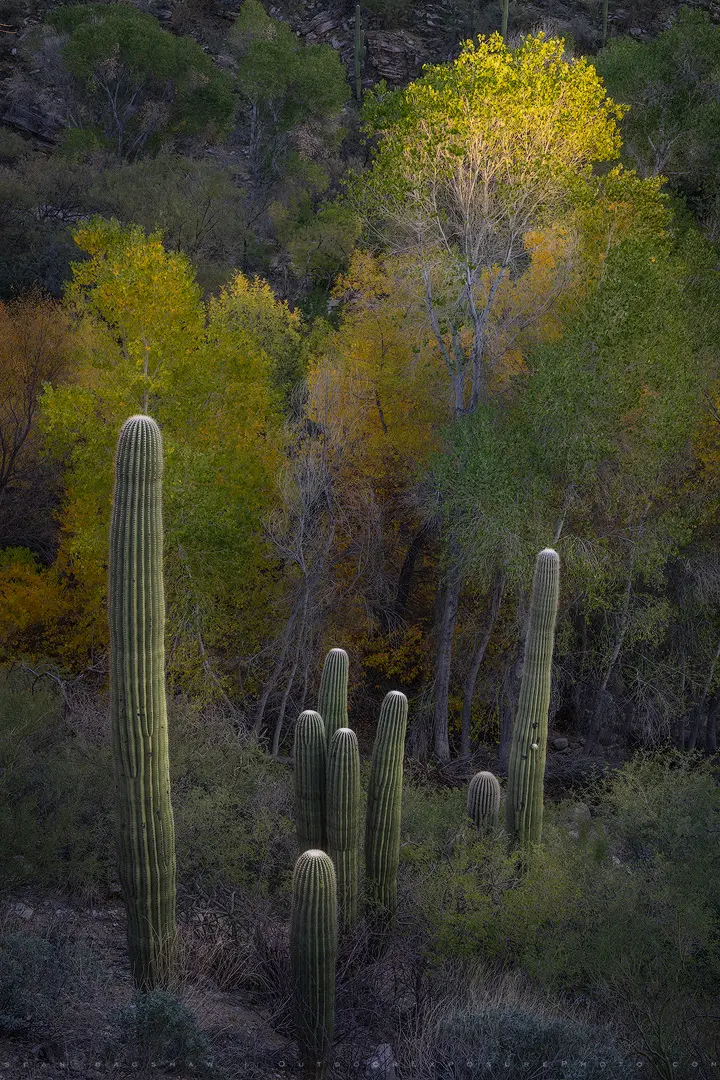
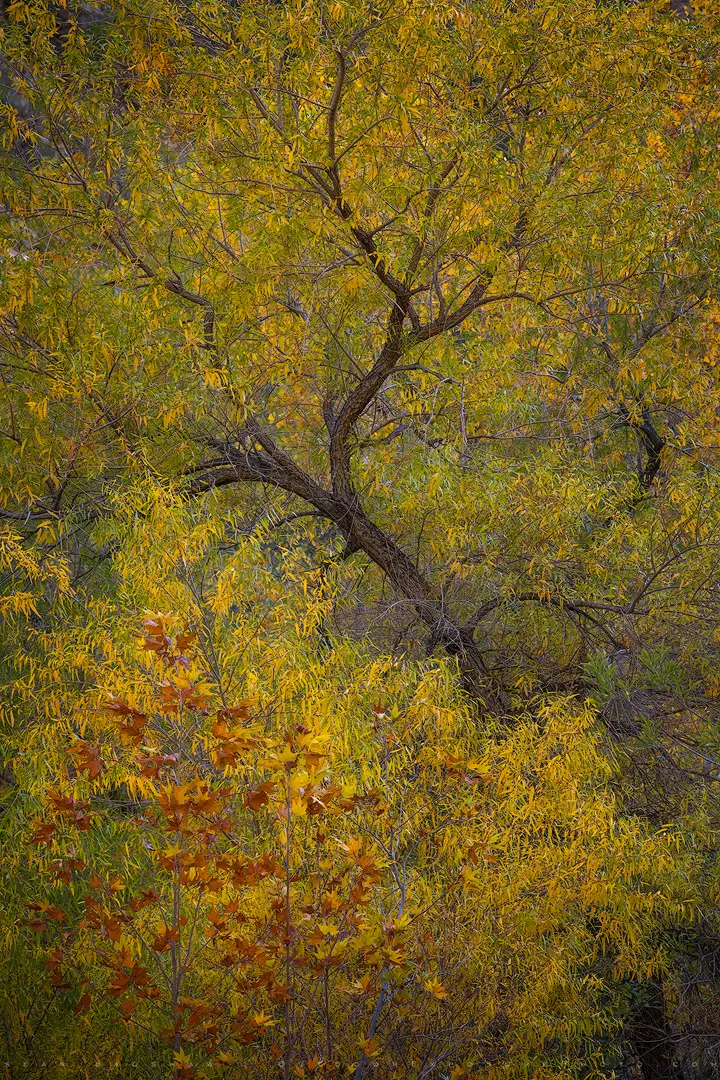
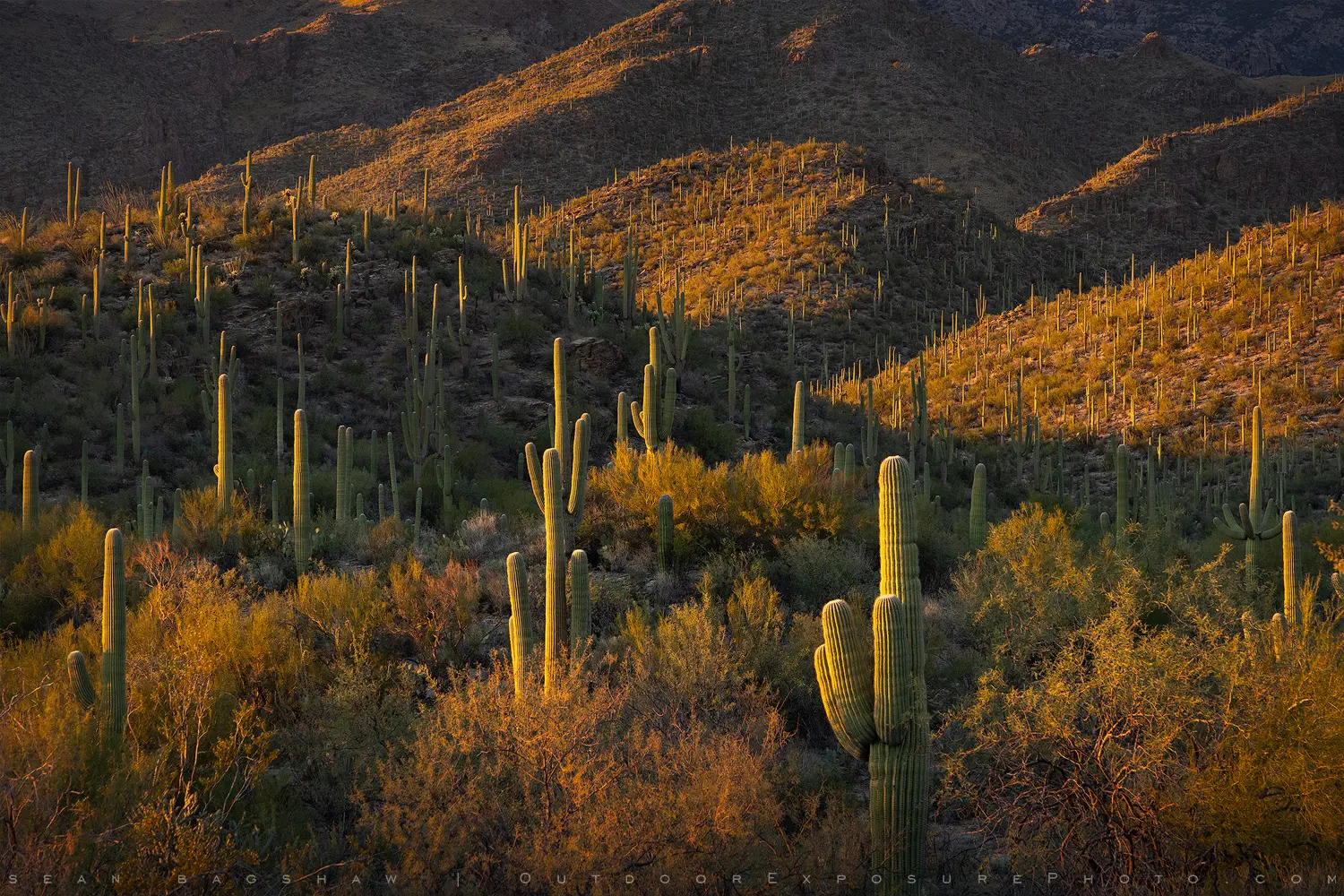
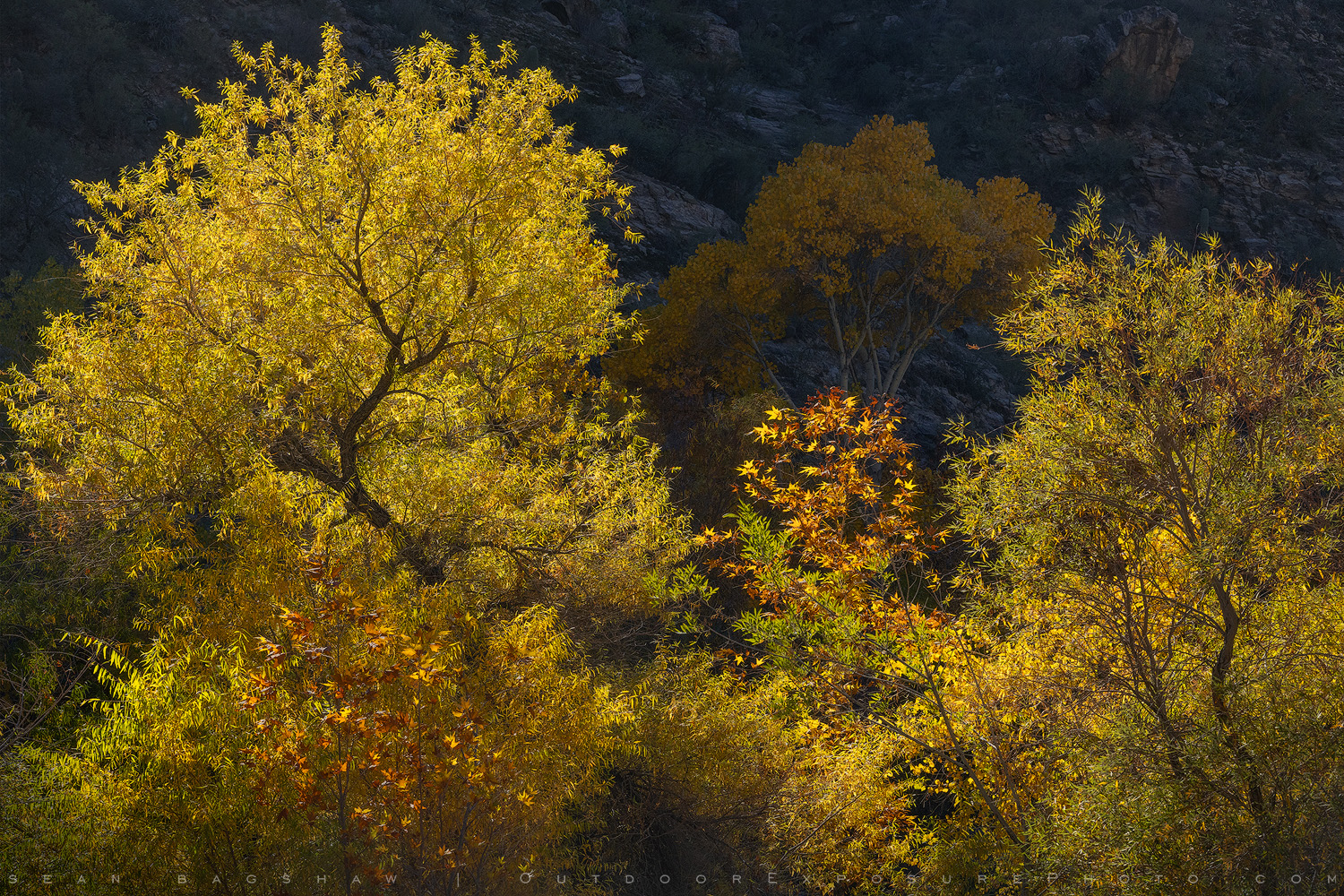
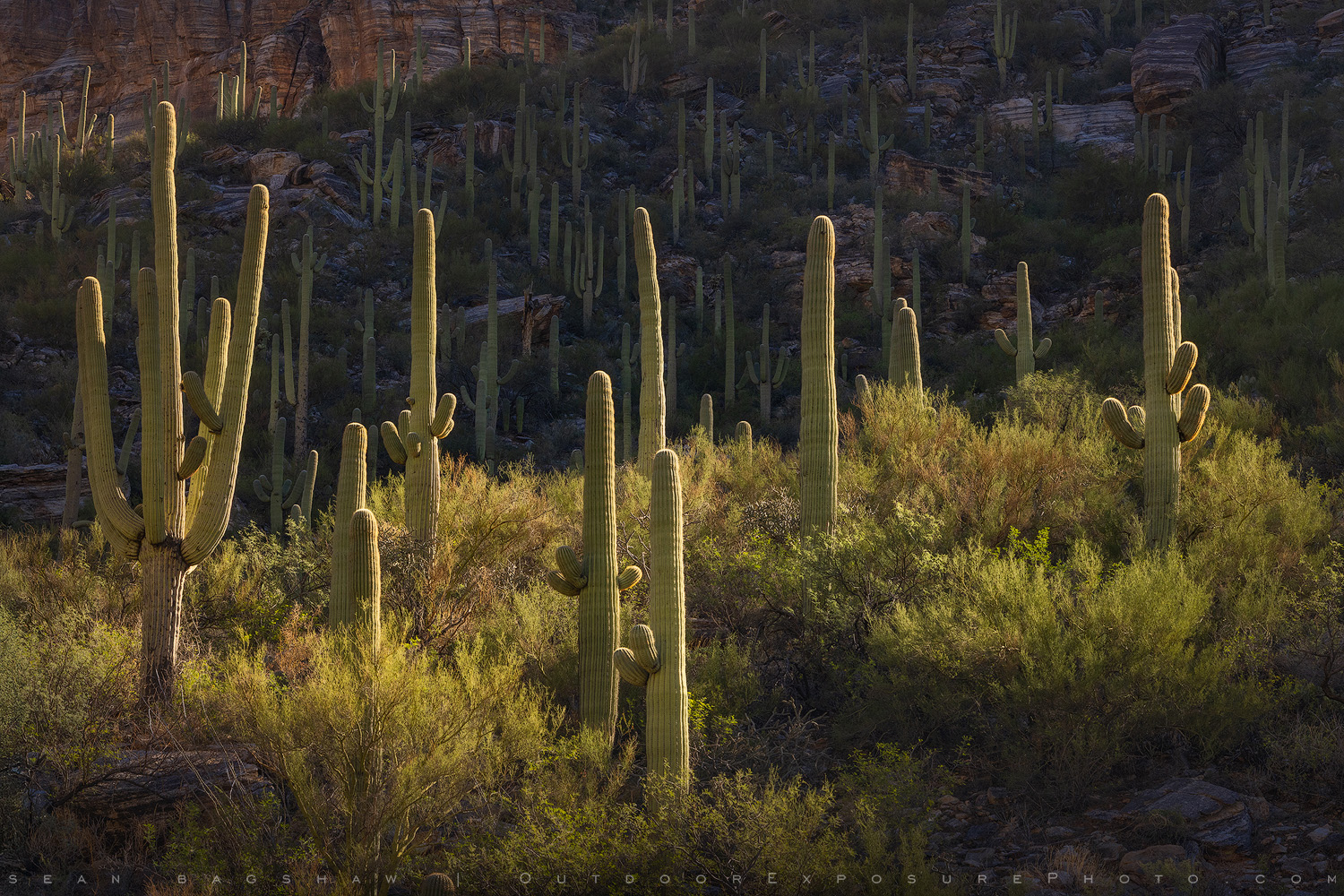
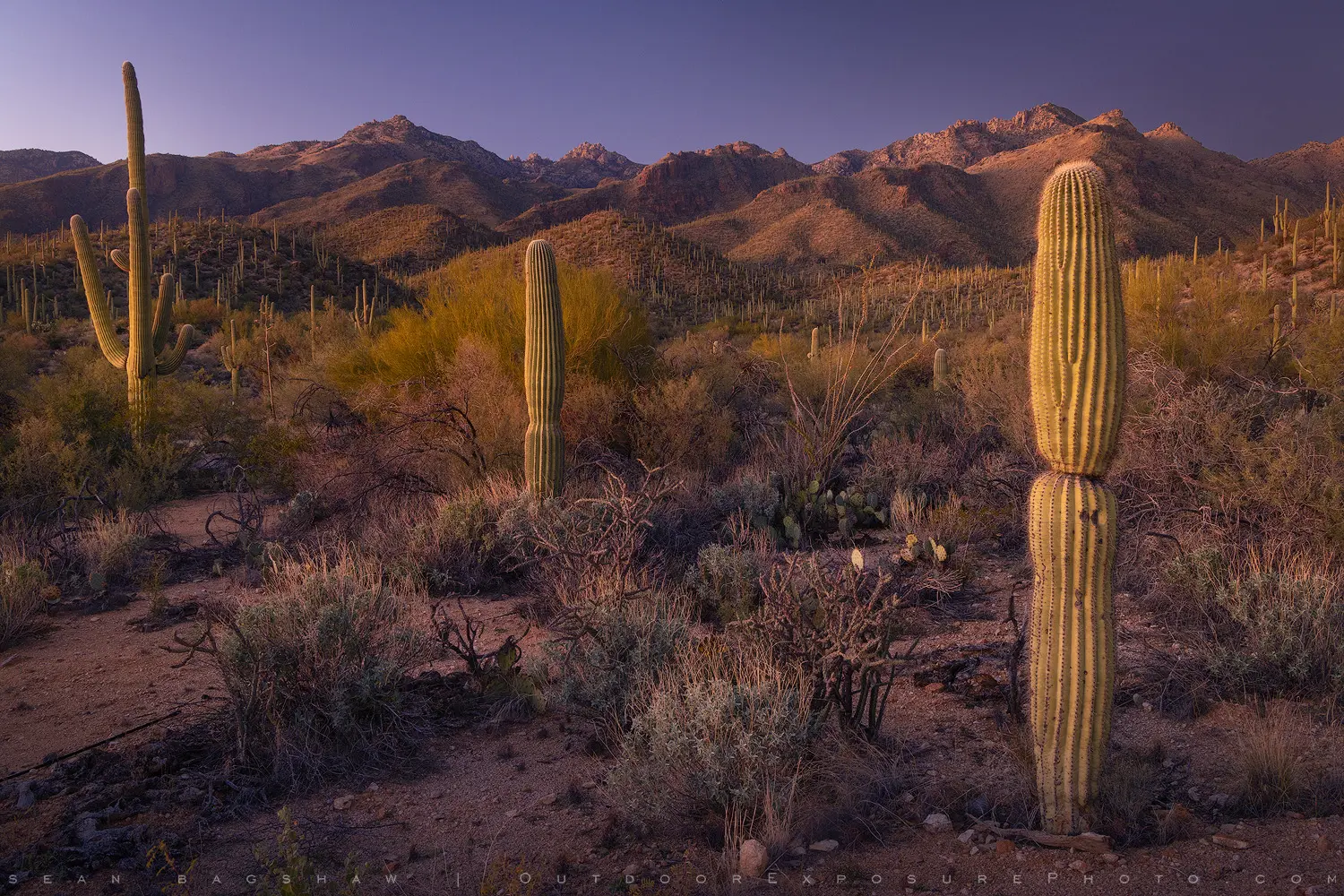
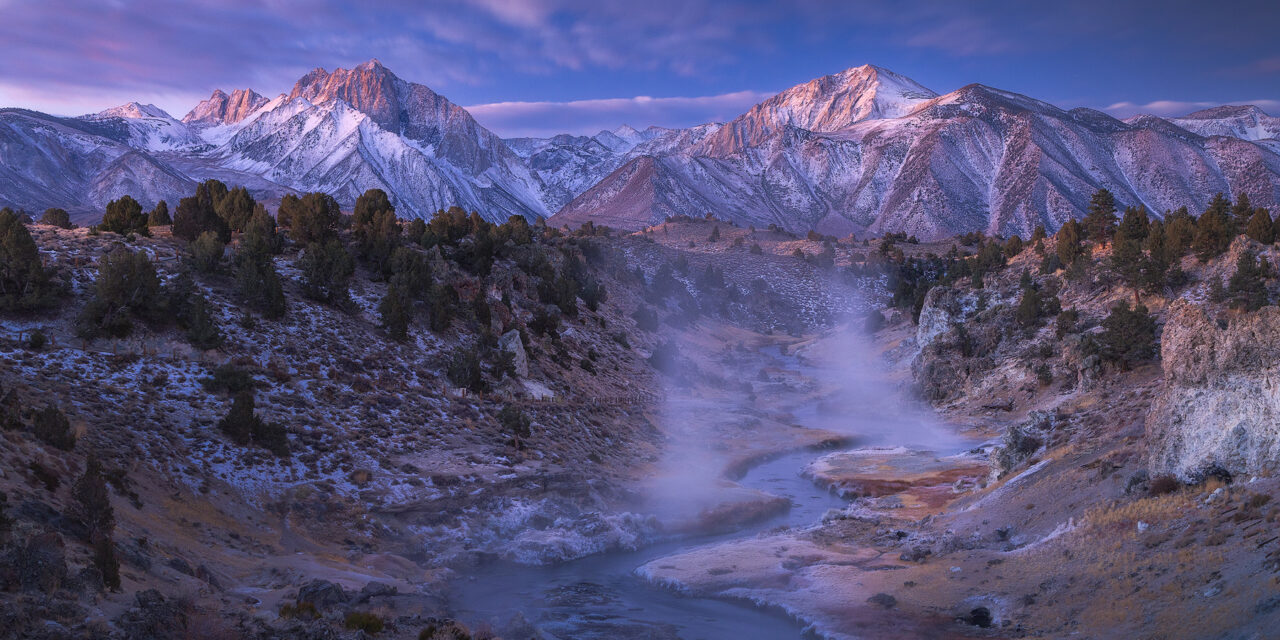
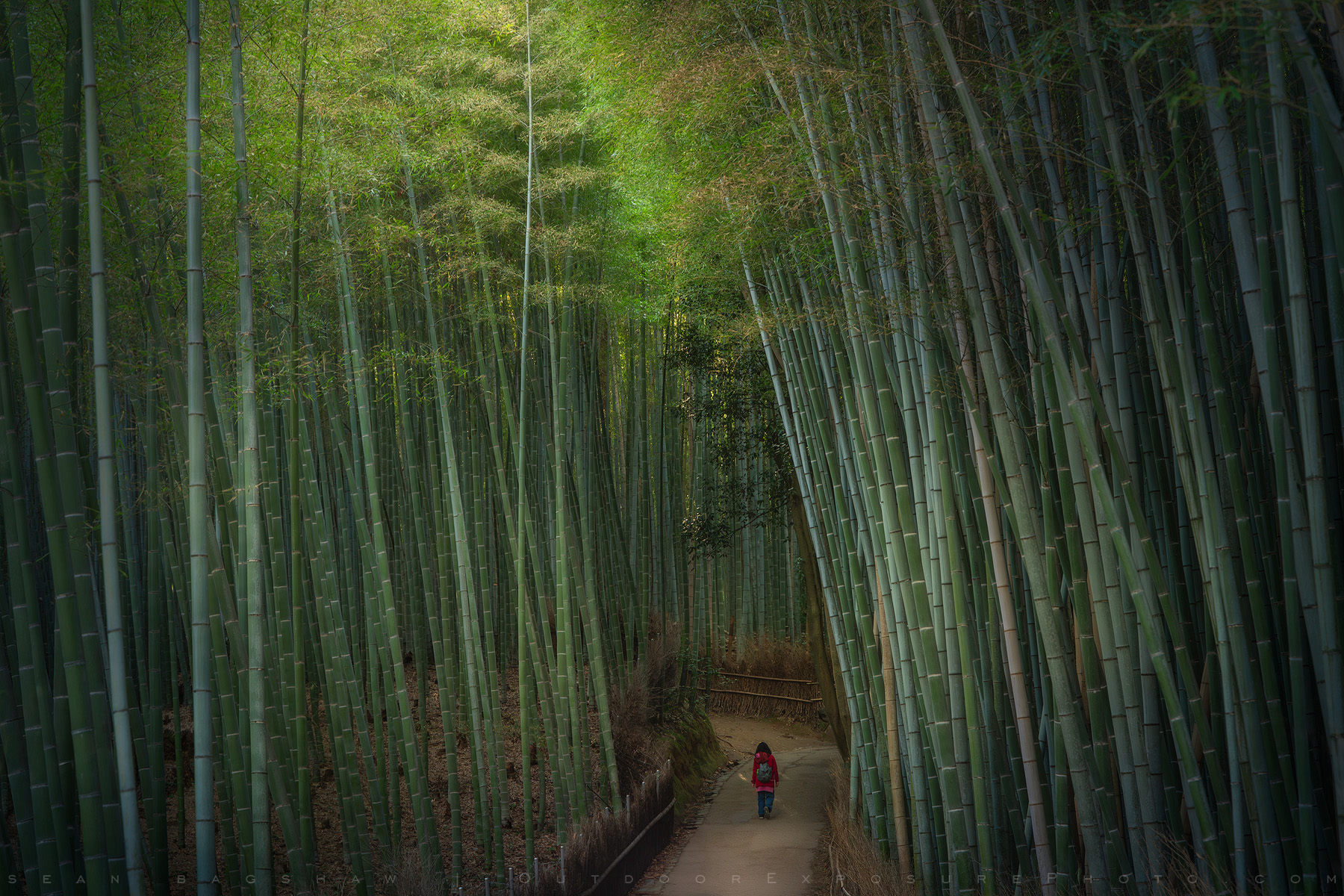
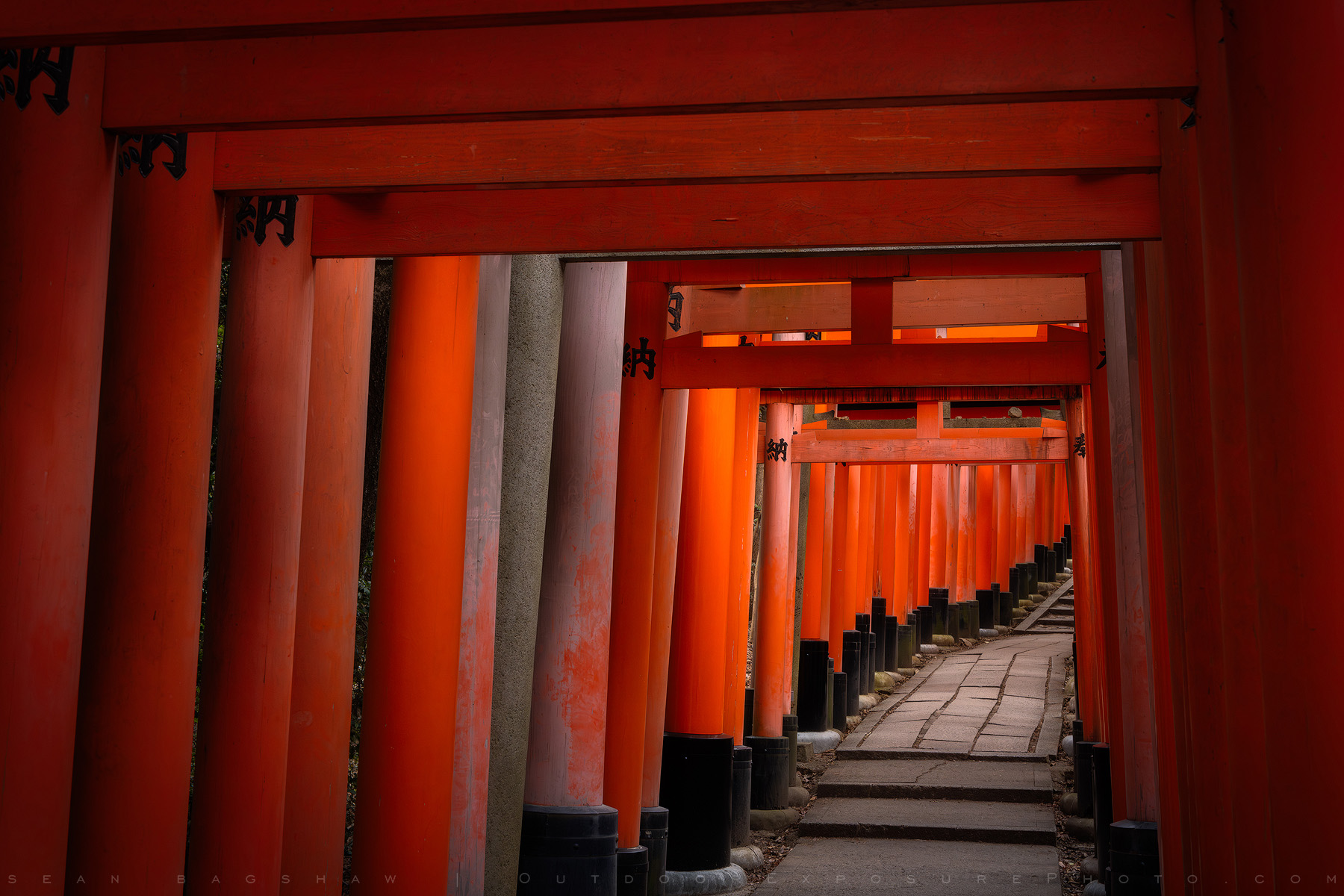
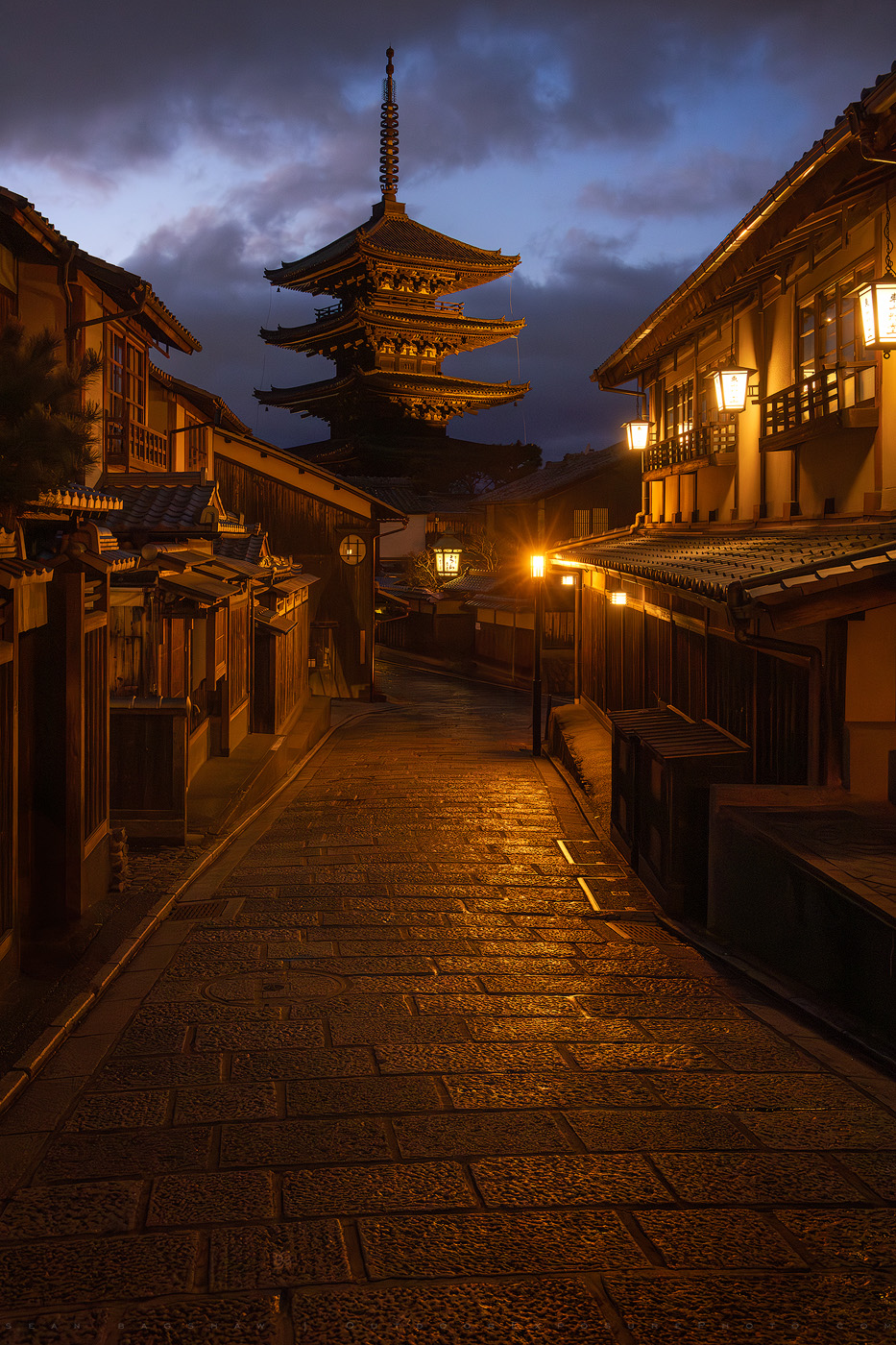
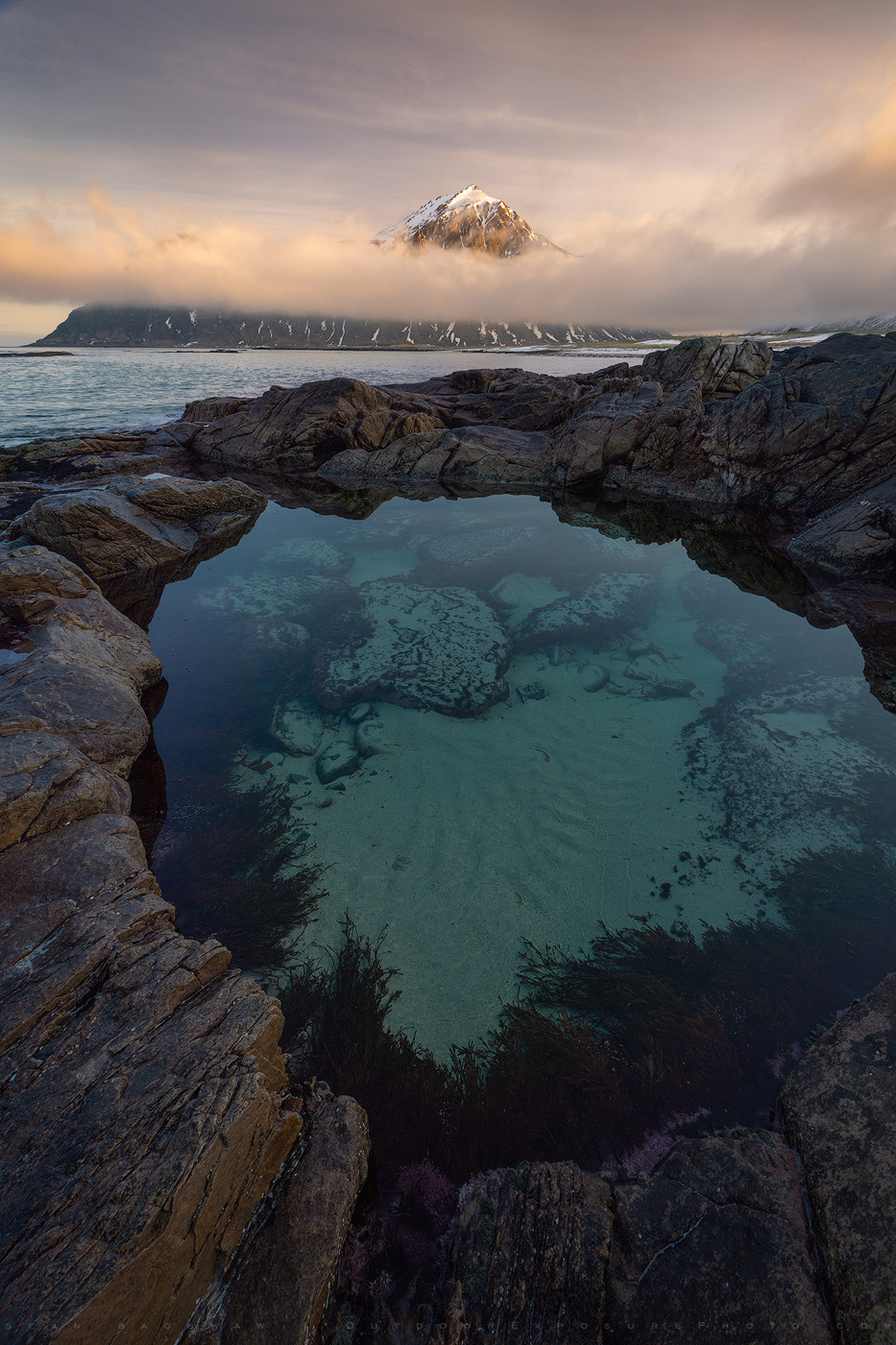
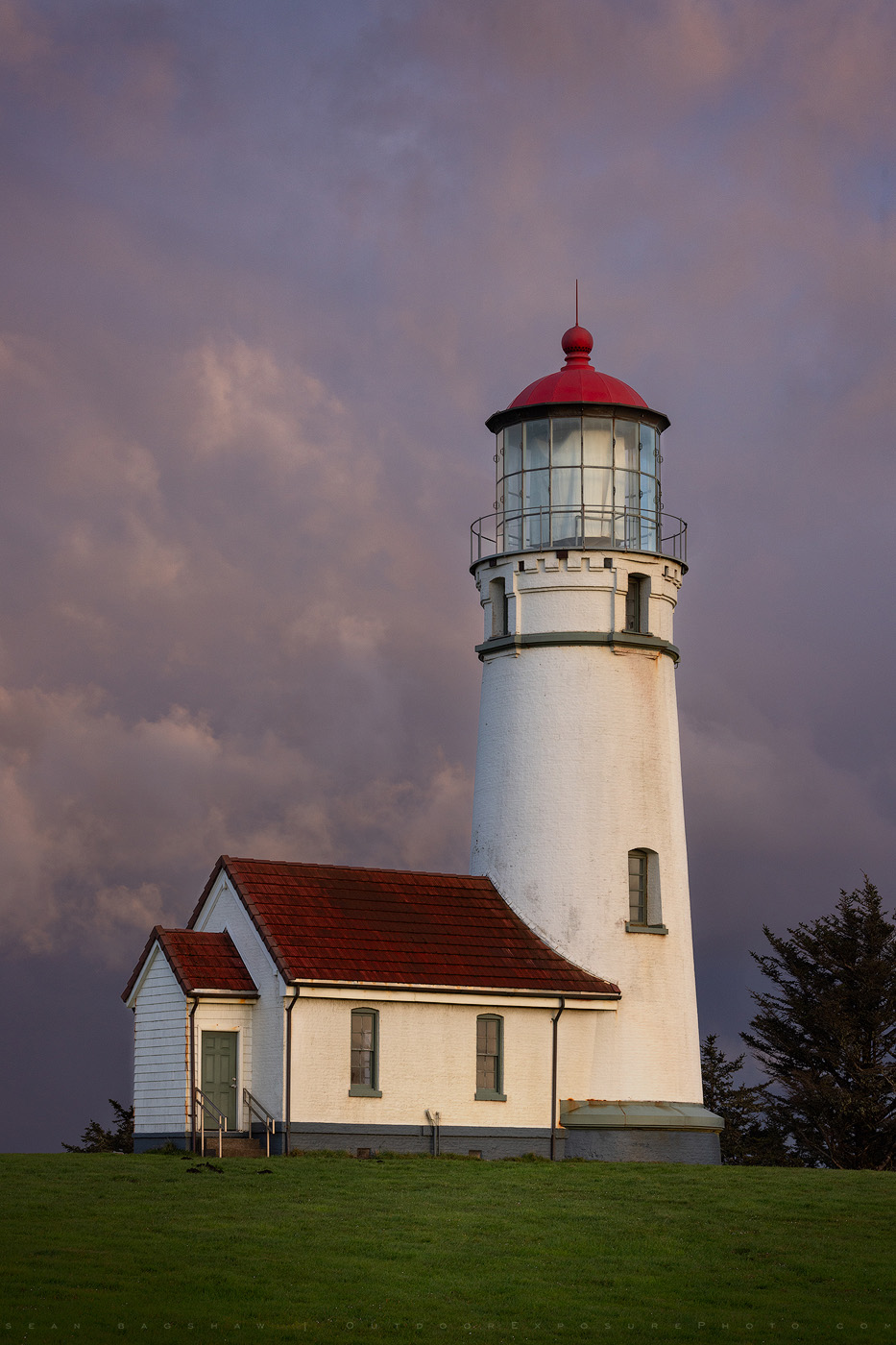
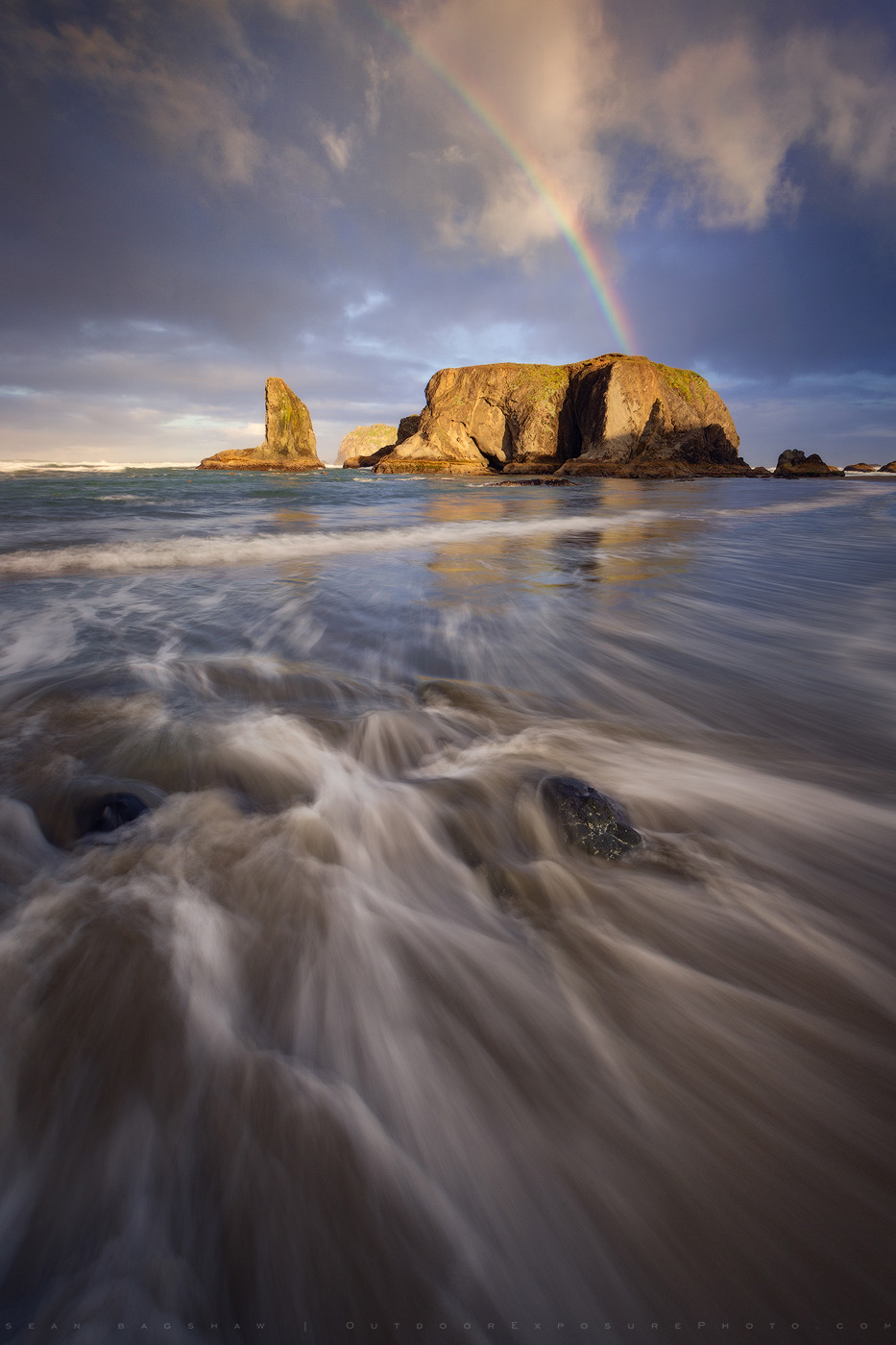
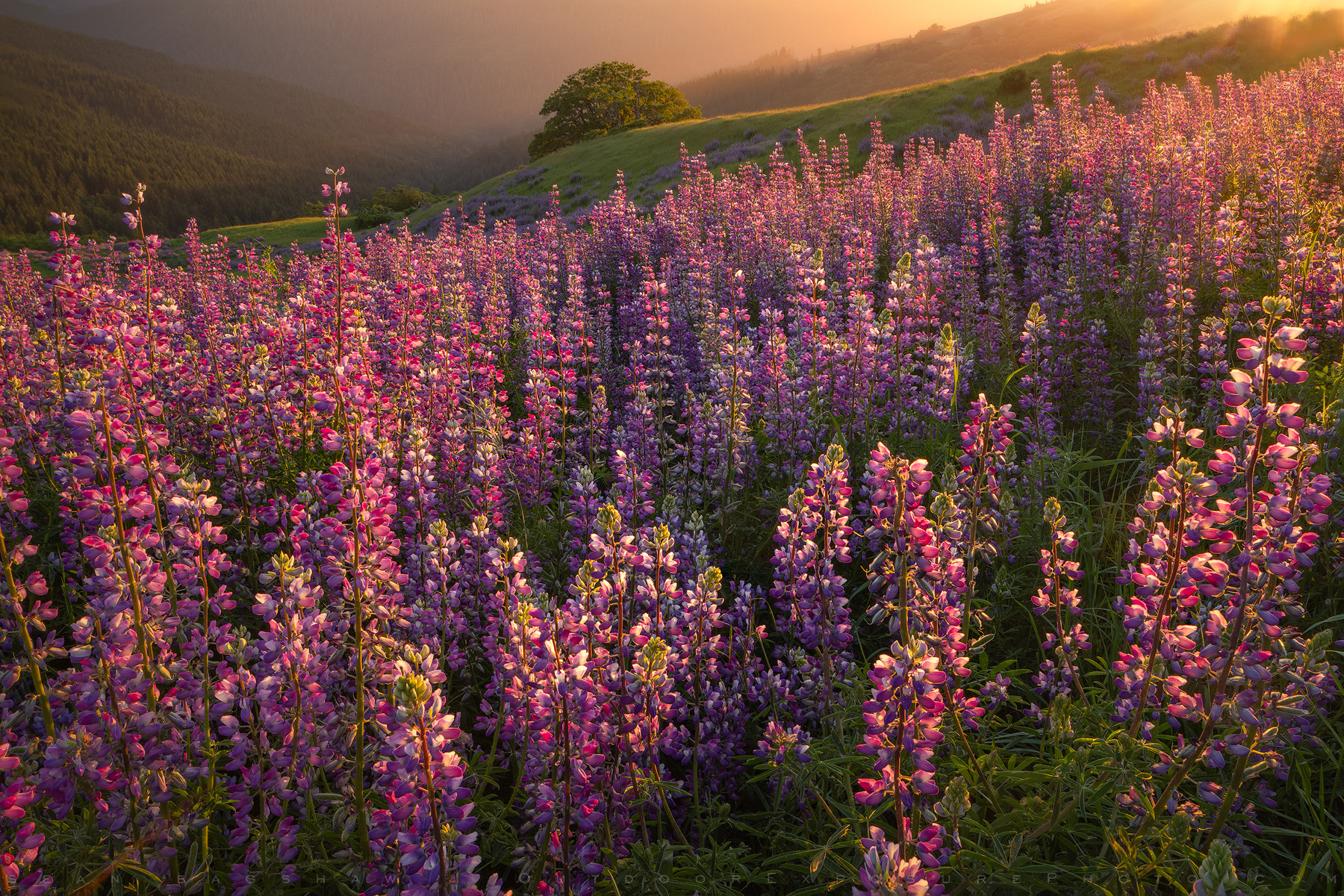
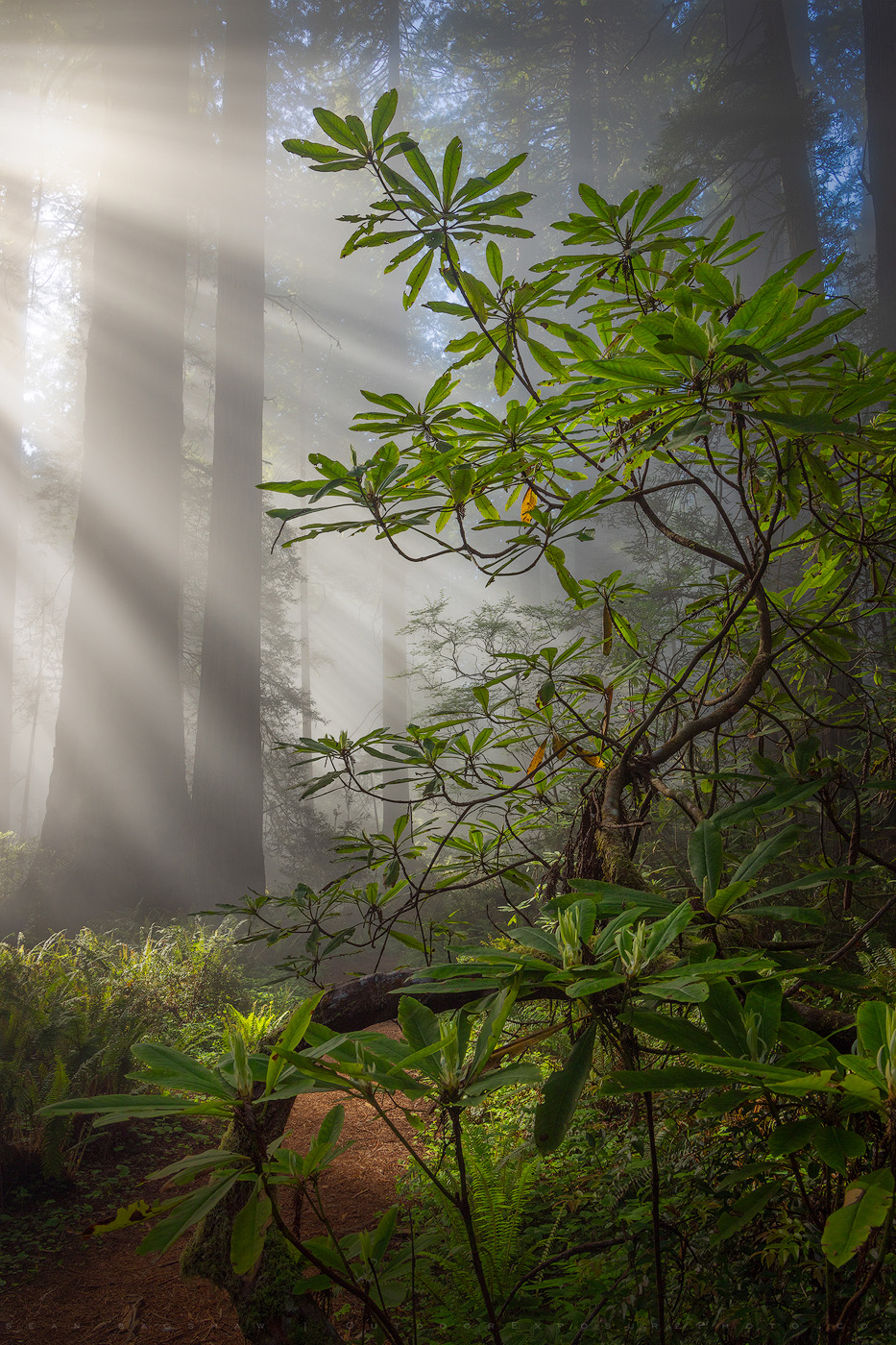
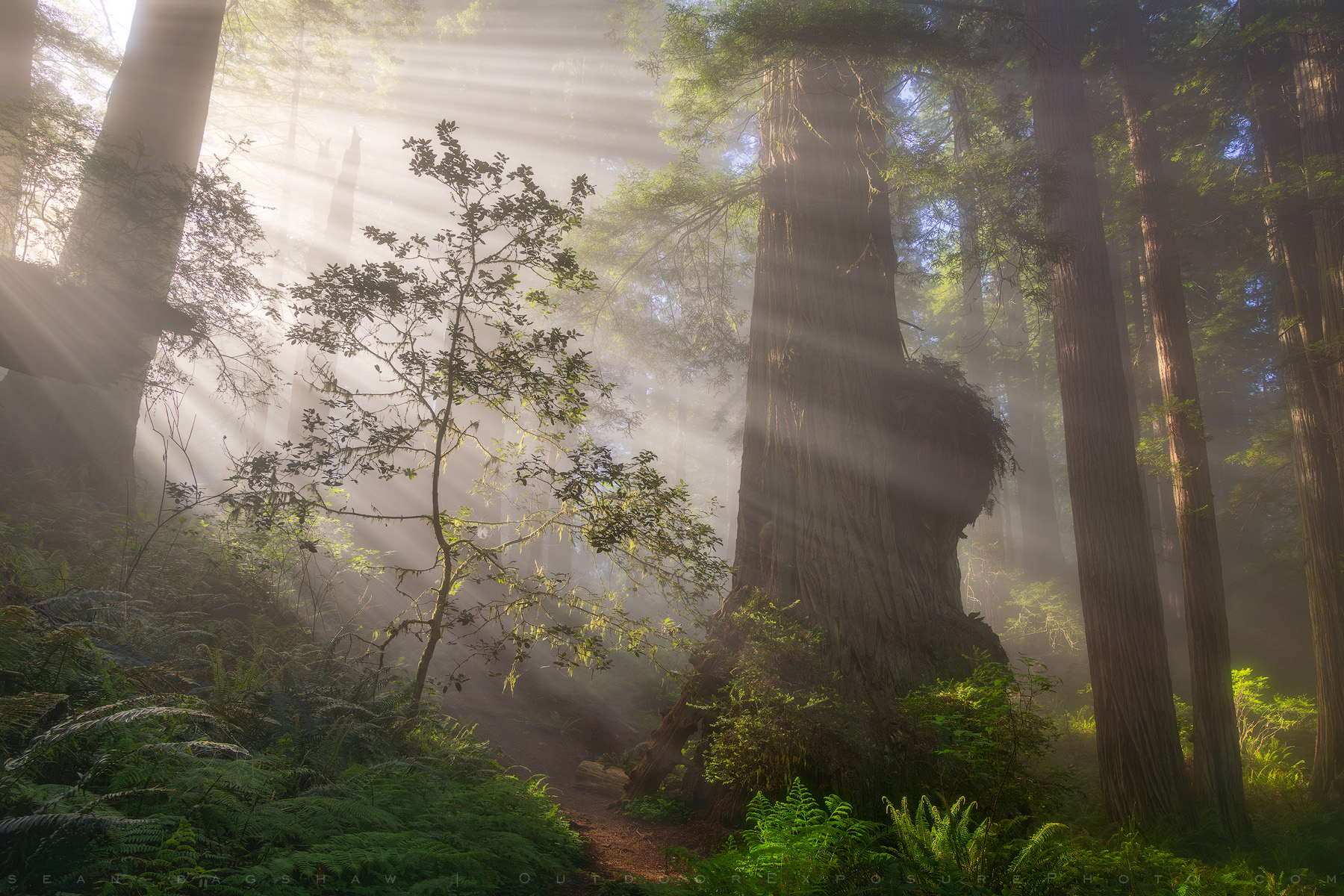
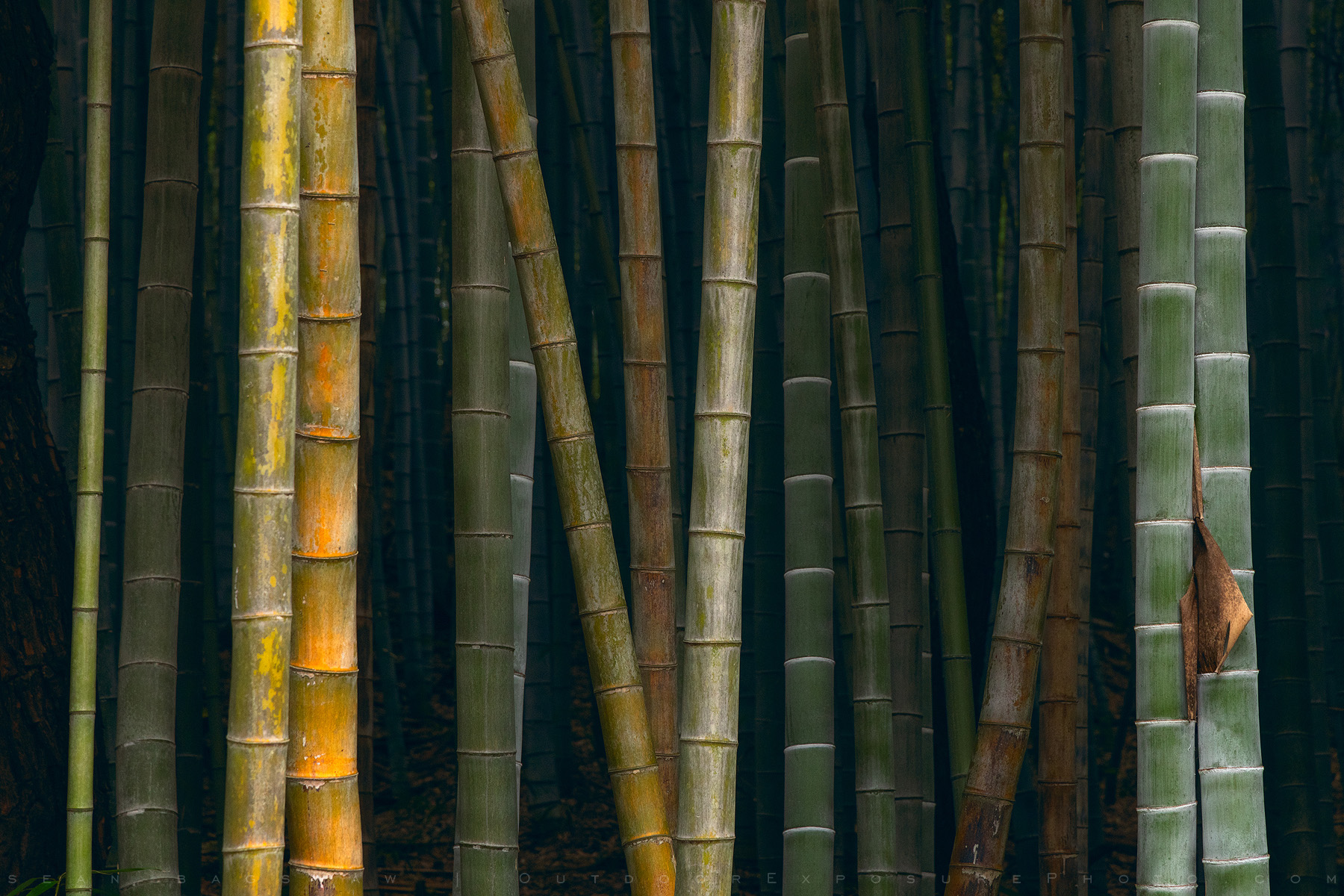
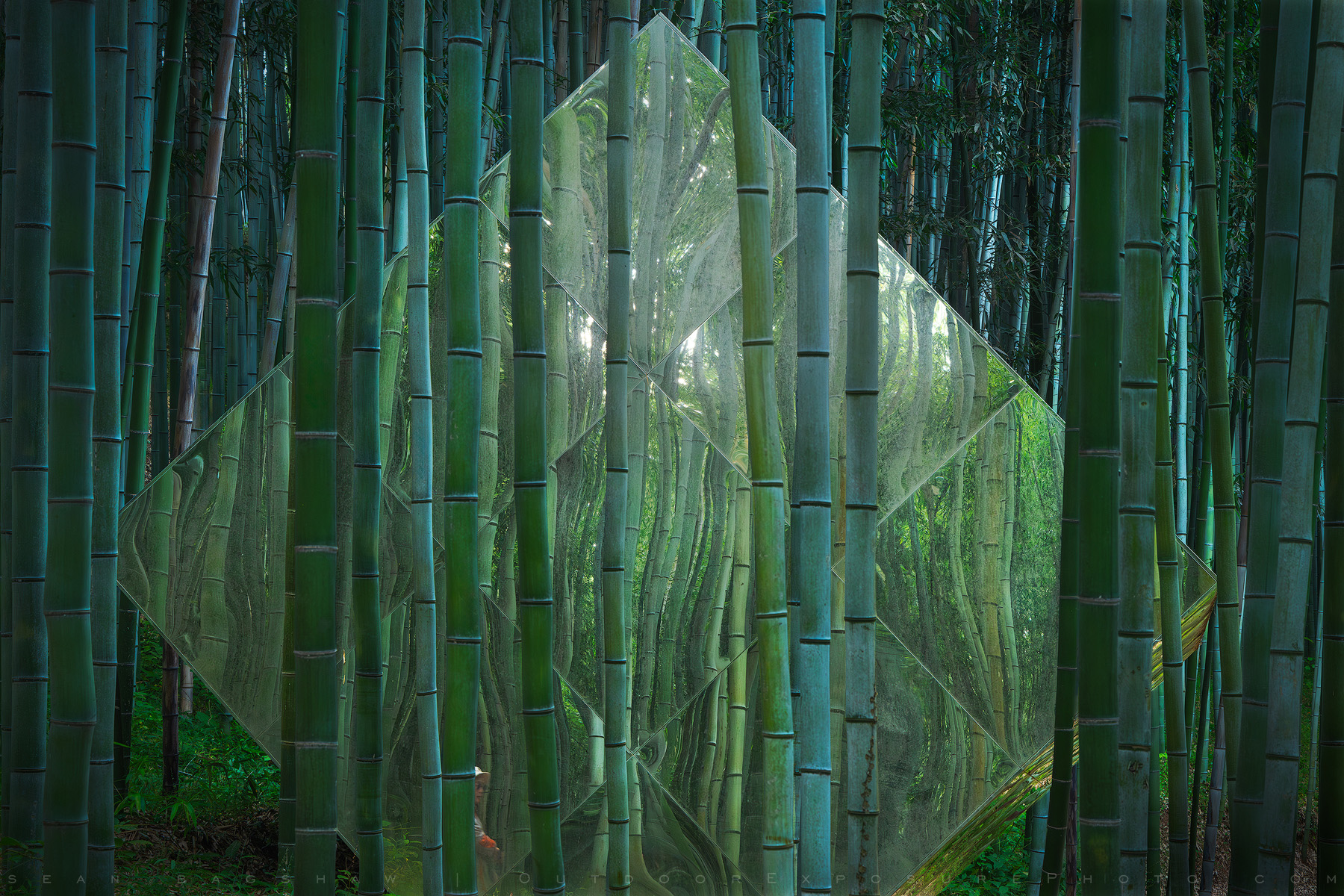
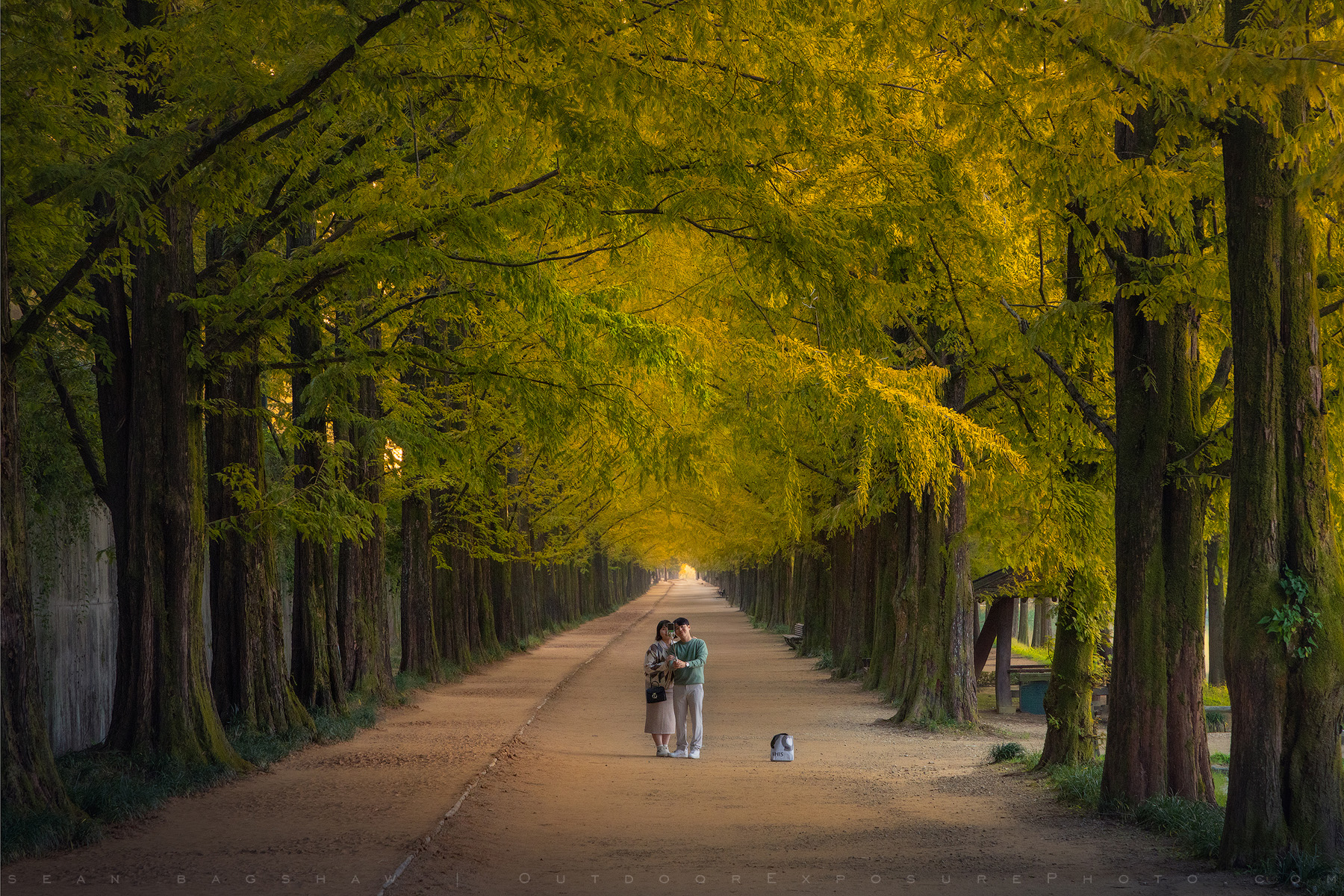
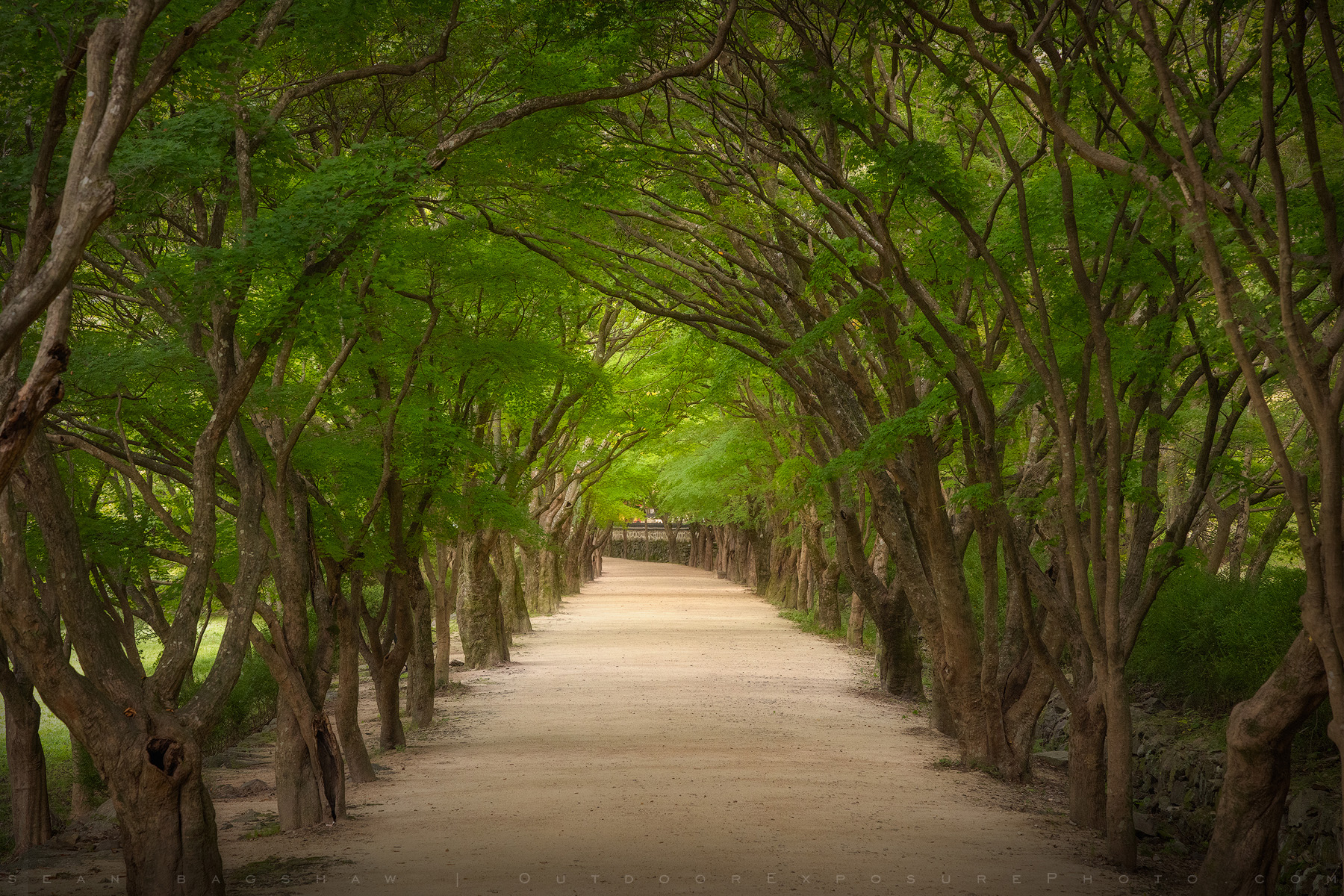
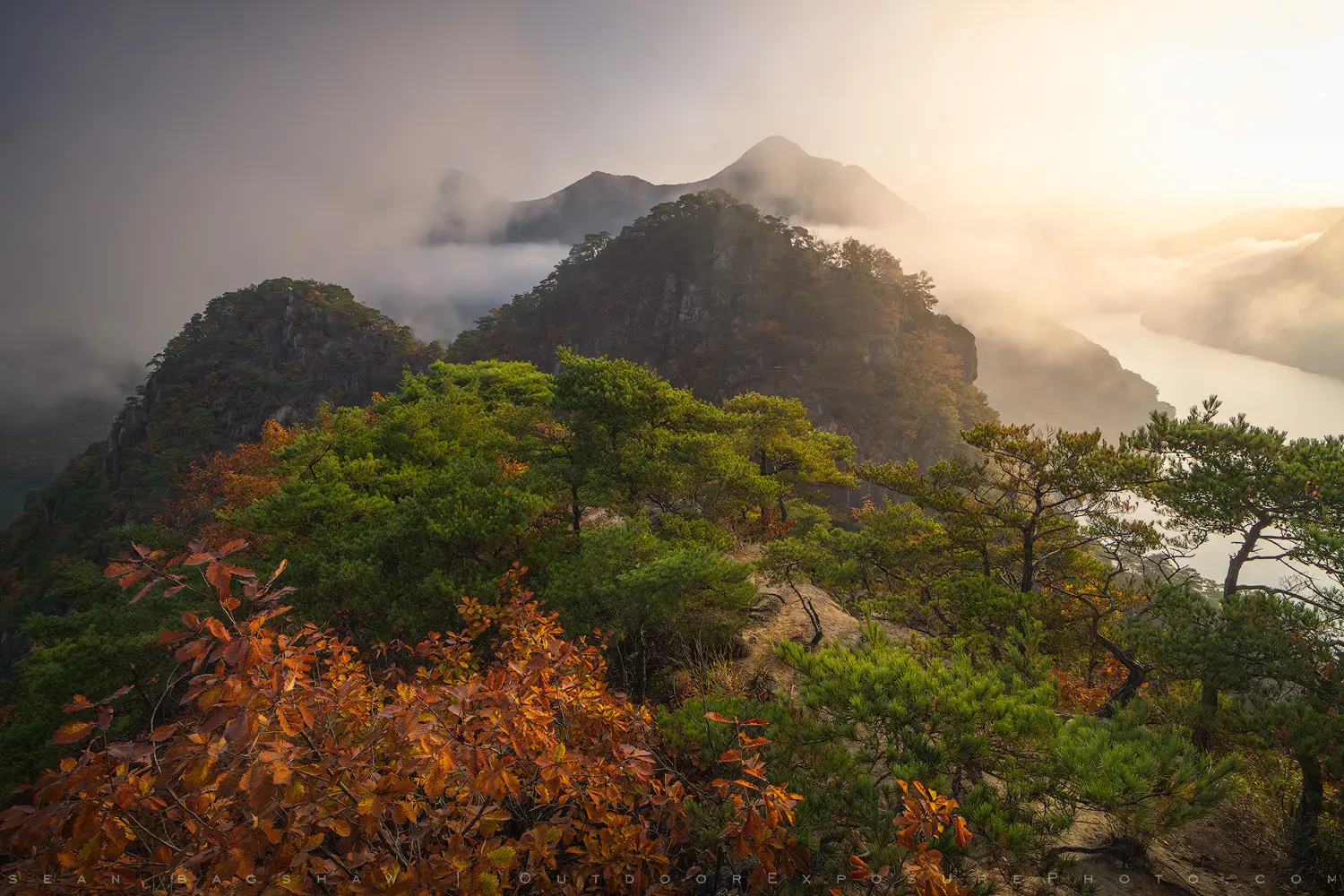
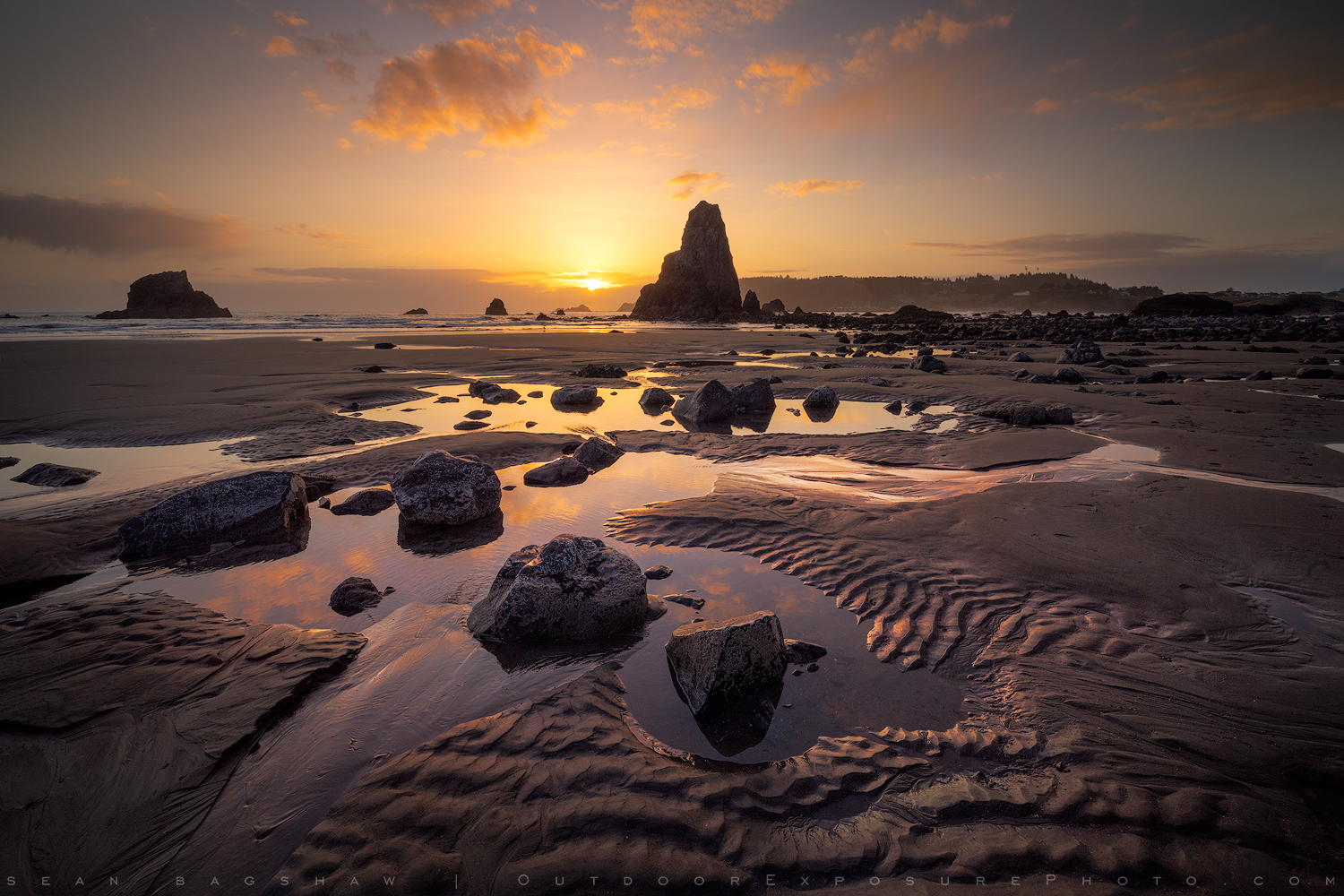
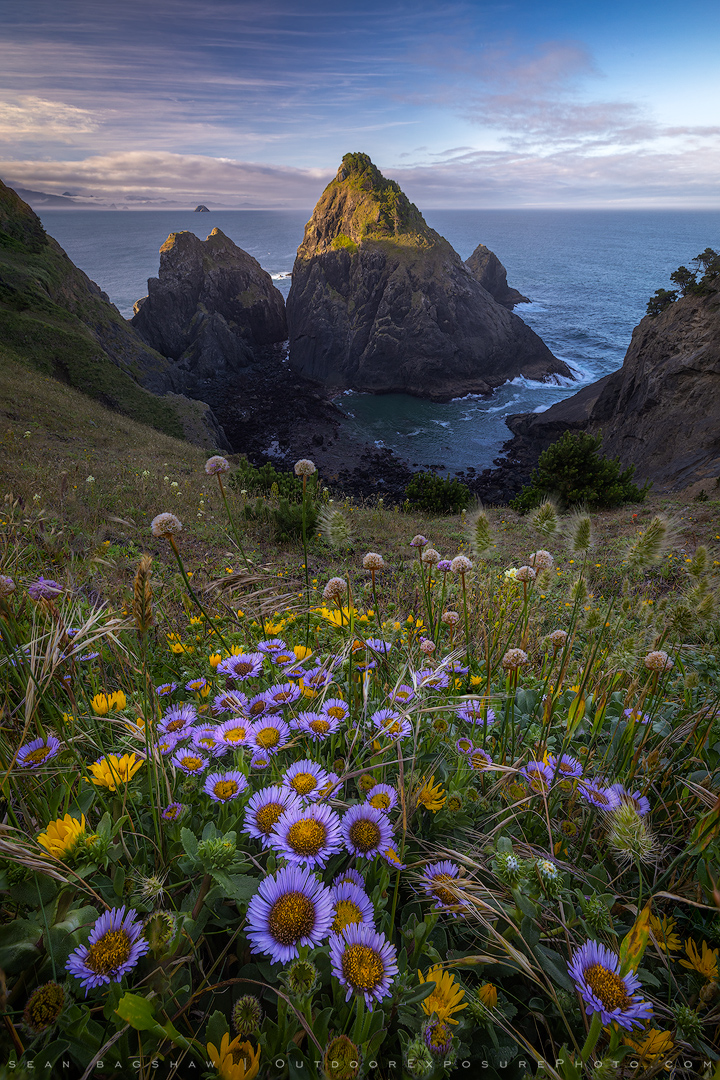
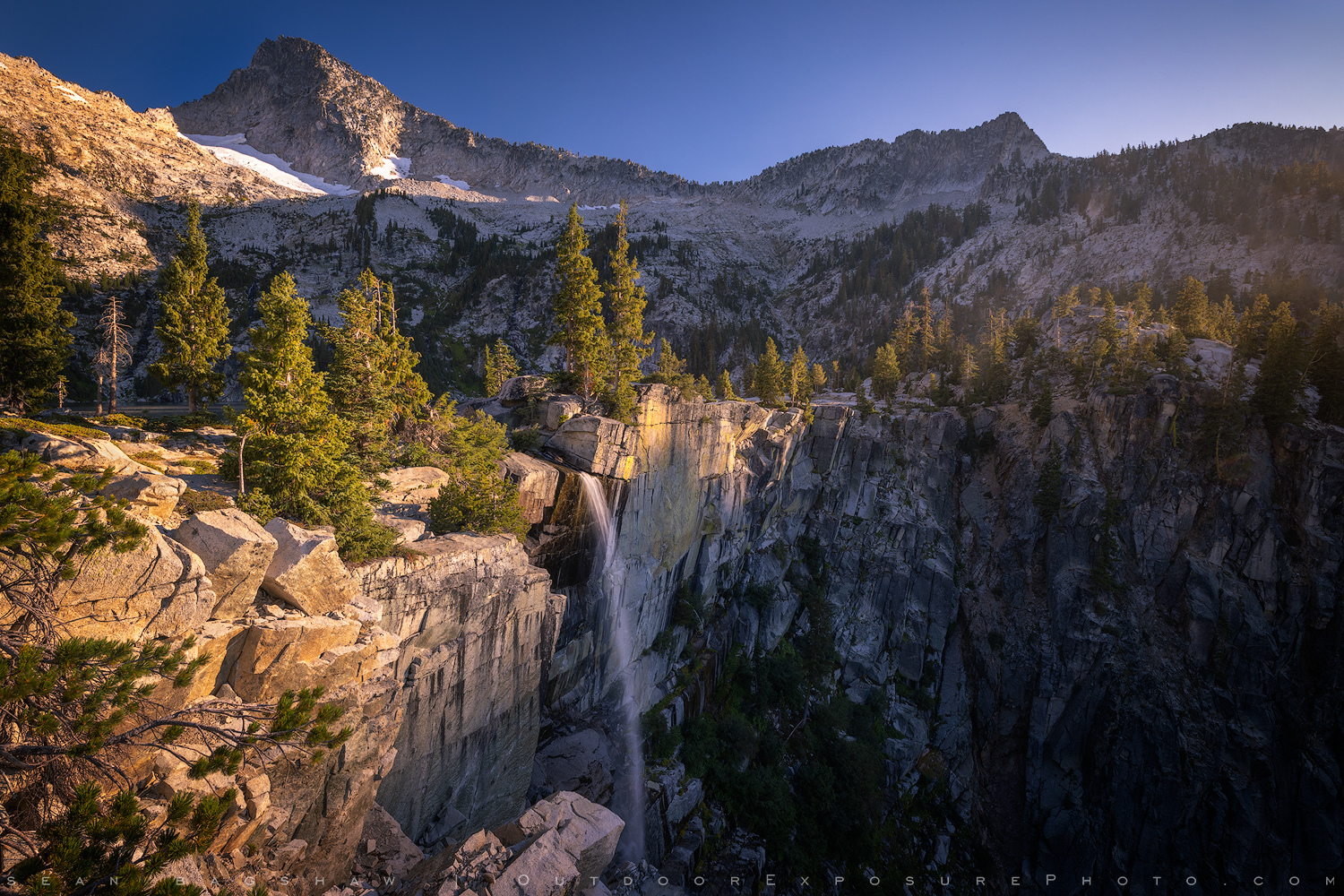
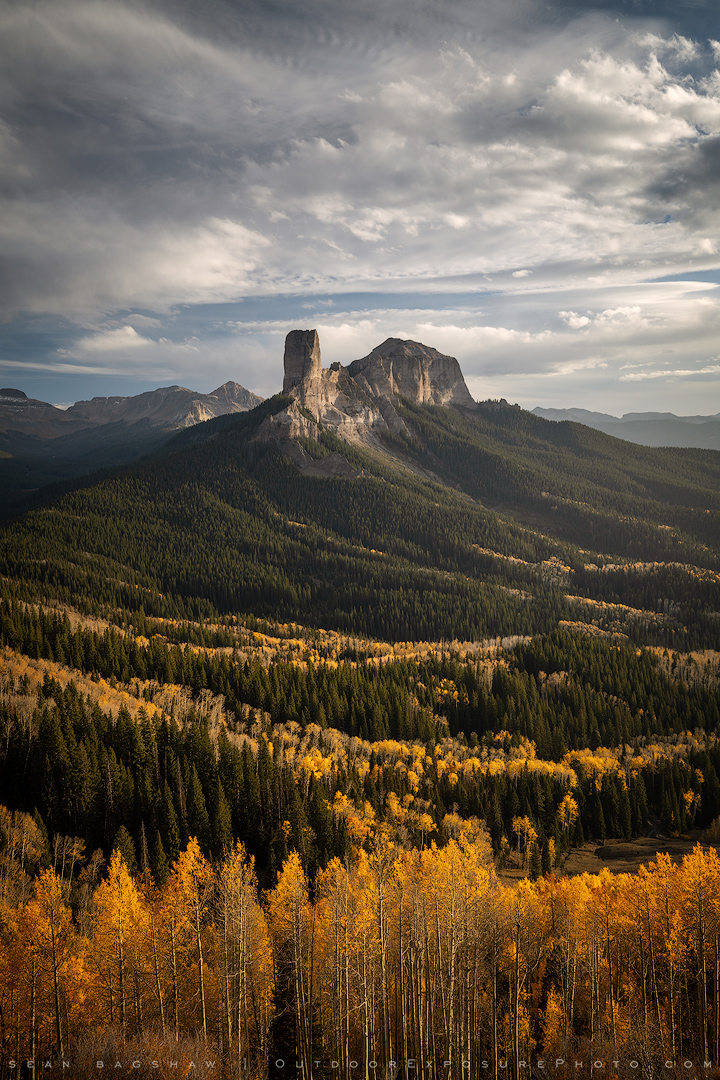
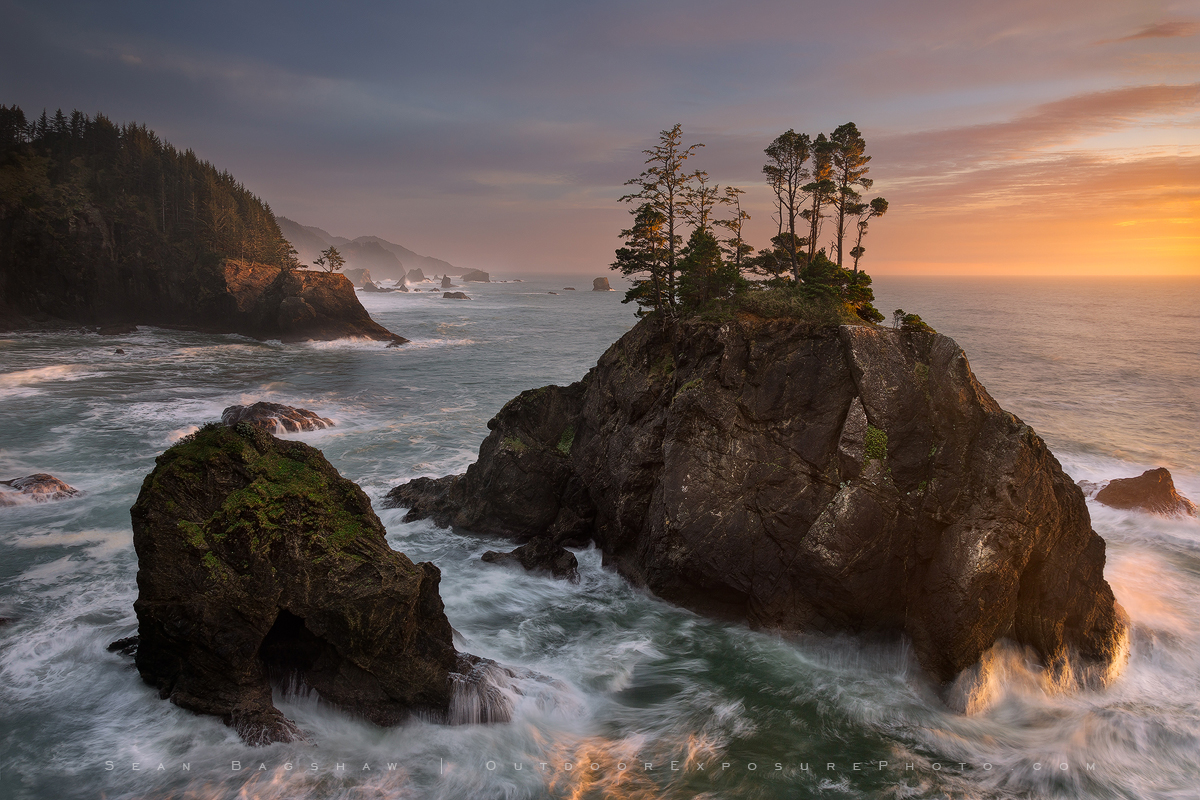
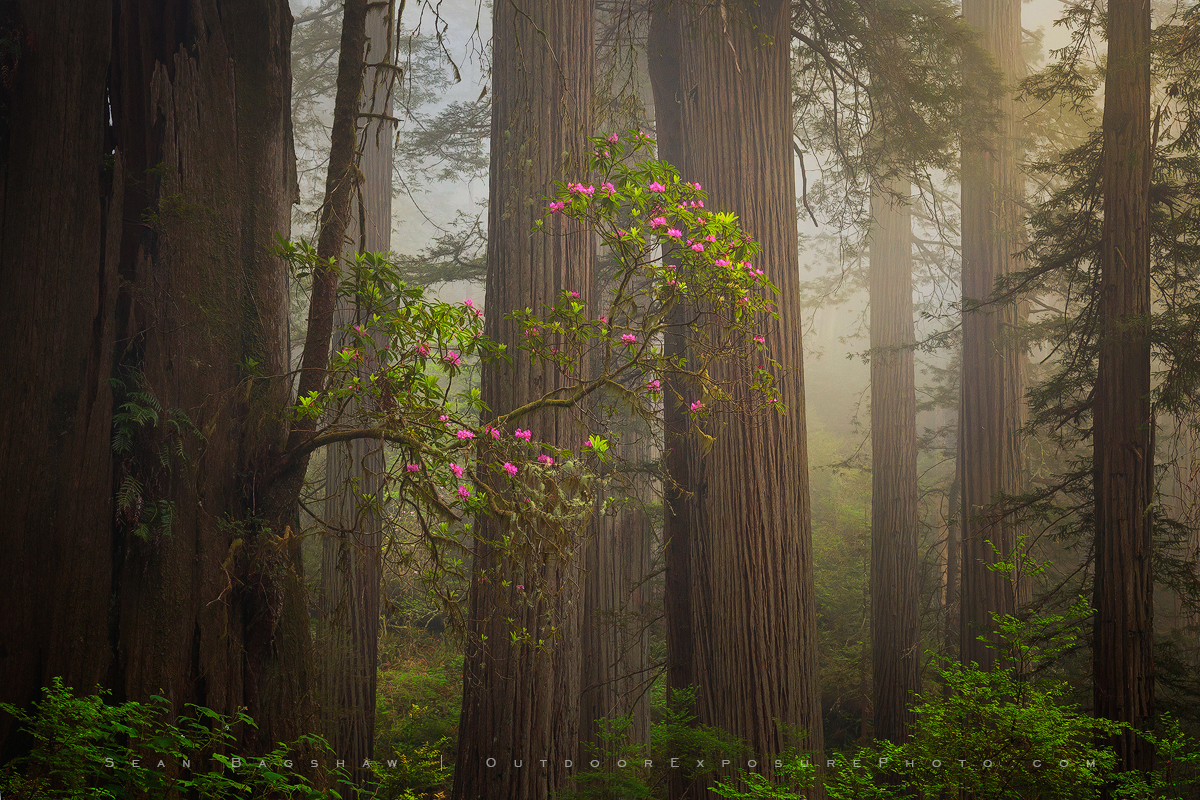
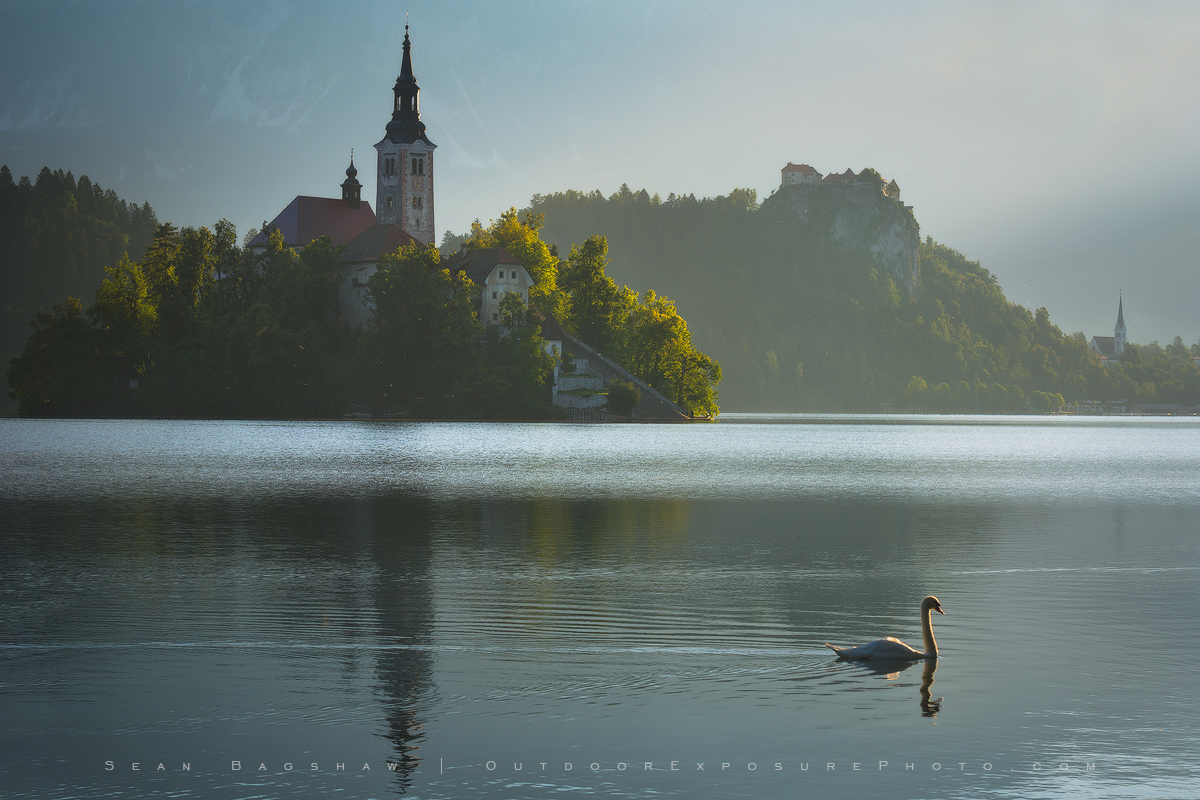
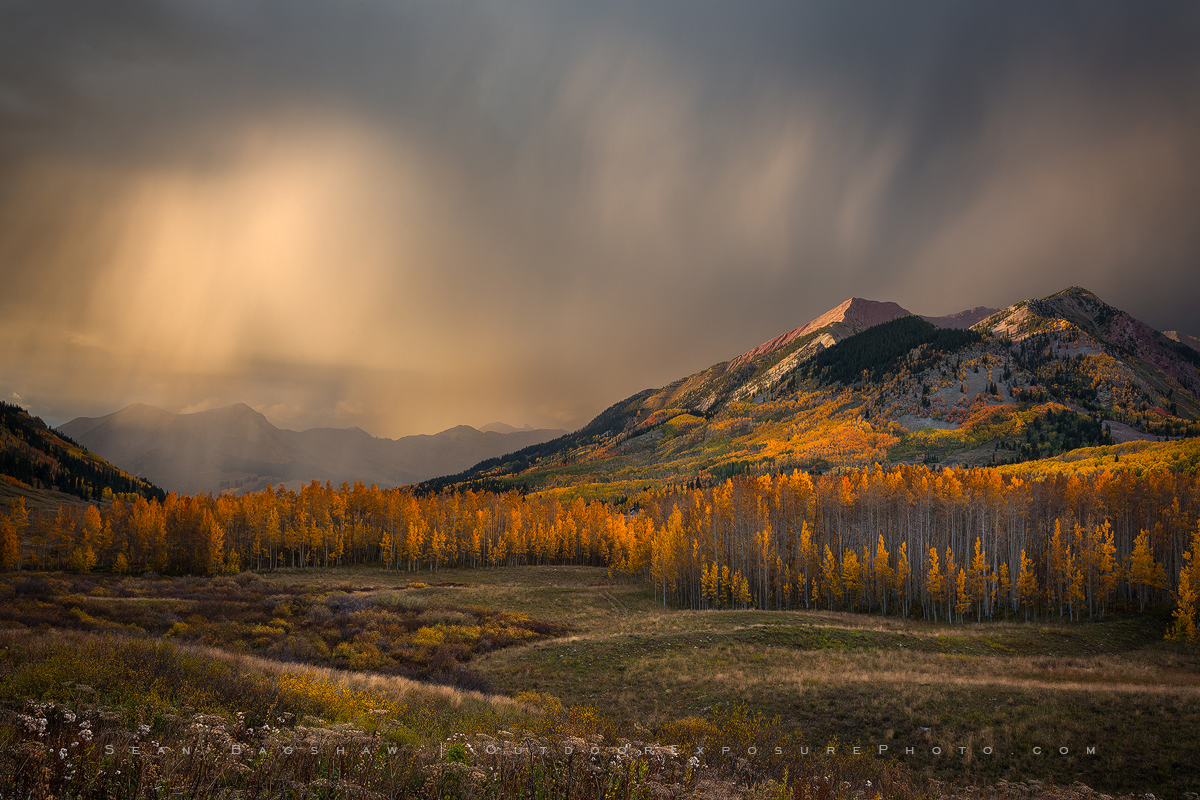
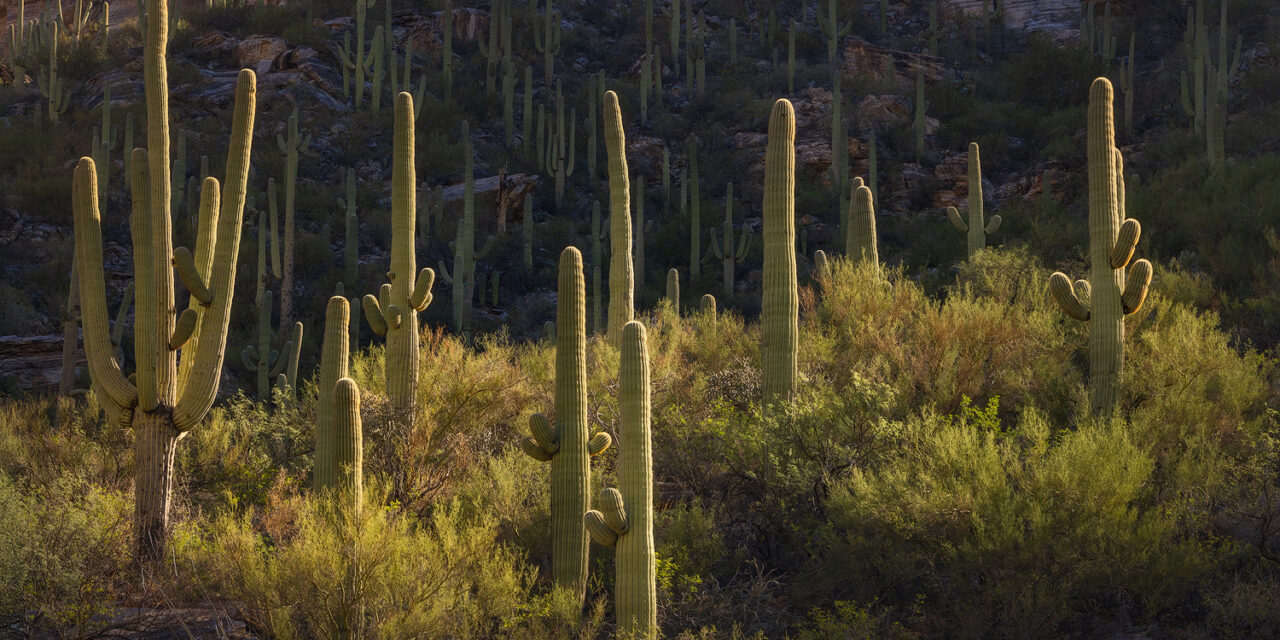
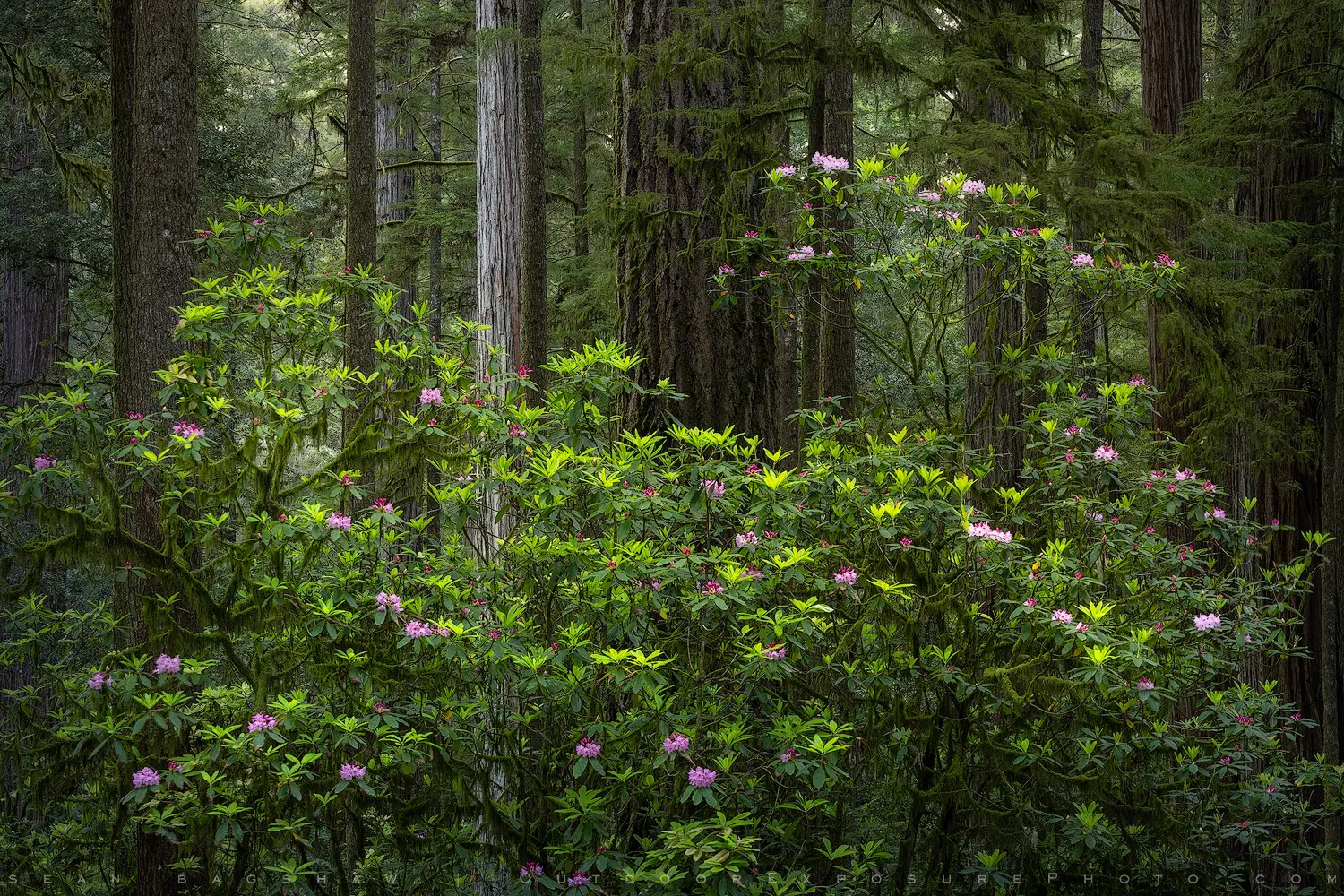
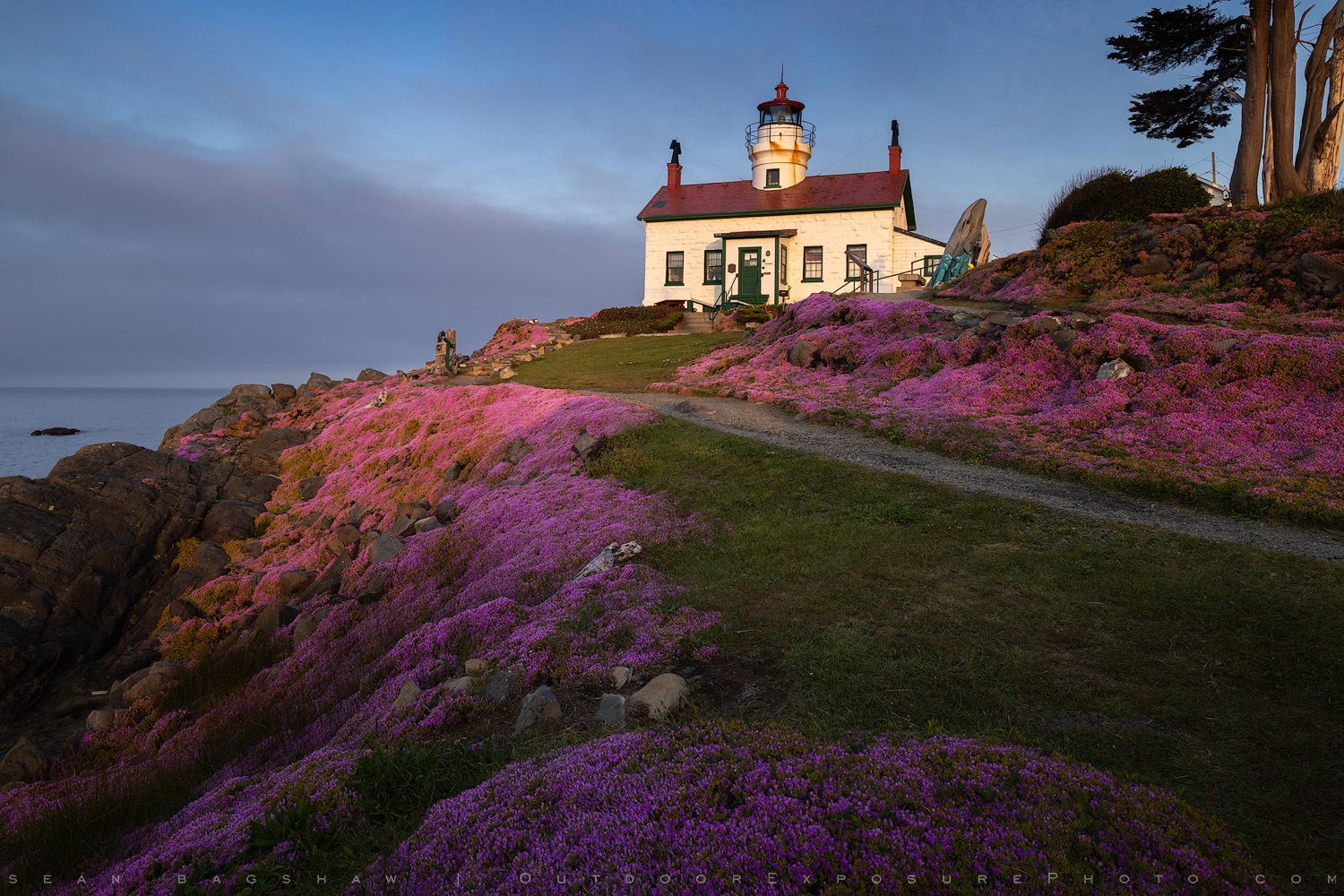
These are my favorite photographs from 2025, presented in chronological order. It was a different kind of year photographically, one with fewer photography-dedicated trips and more images made along the way while teaching, traveling, hiking, and cycling. My favorite photos came from time spent at workshops in the redwoods and Olympic National Park, from adventure travel in England’s Yorkshire Dales and across Japan, and from a December gathering with Photo Cascadia in Tucson, Arizona. Together, these images reflect a year of photographing more spontaneously and reconnecting with travel-based visual storytelling, and they represent some of my favorite moments I captured in 2025.
Filed Under: Best Of The Year, Featured Photos

Cycling In Japan

December 21, 2025 by Sean Bagshaw Leave a Comment

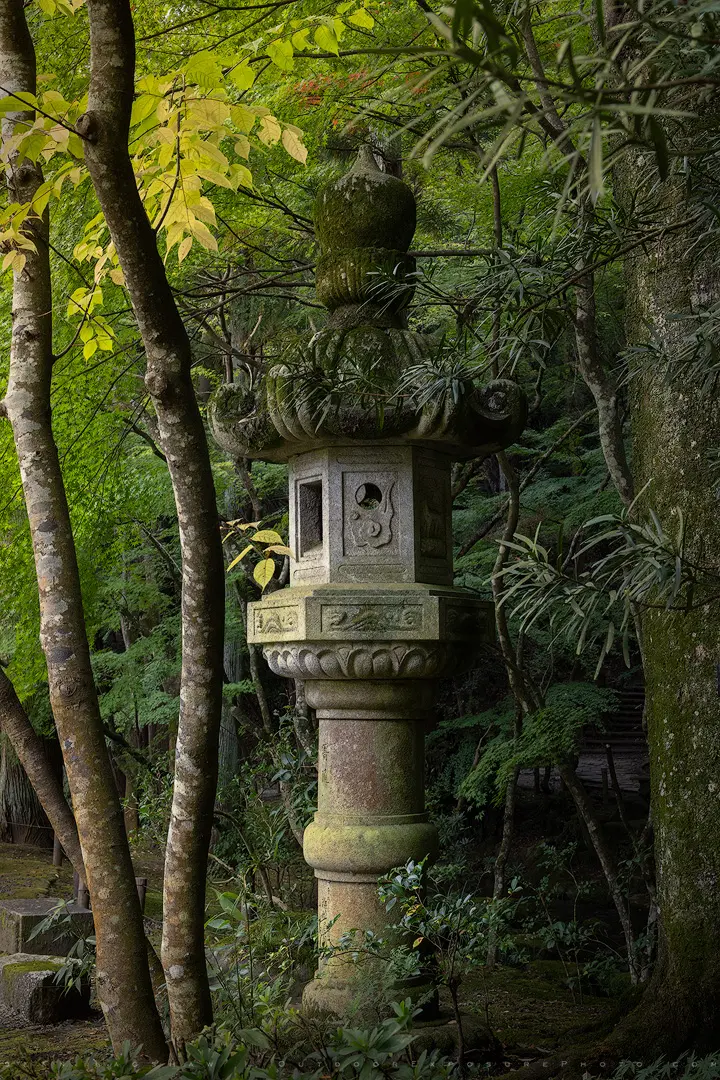
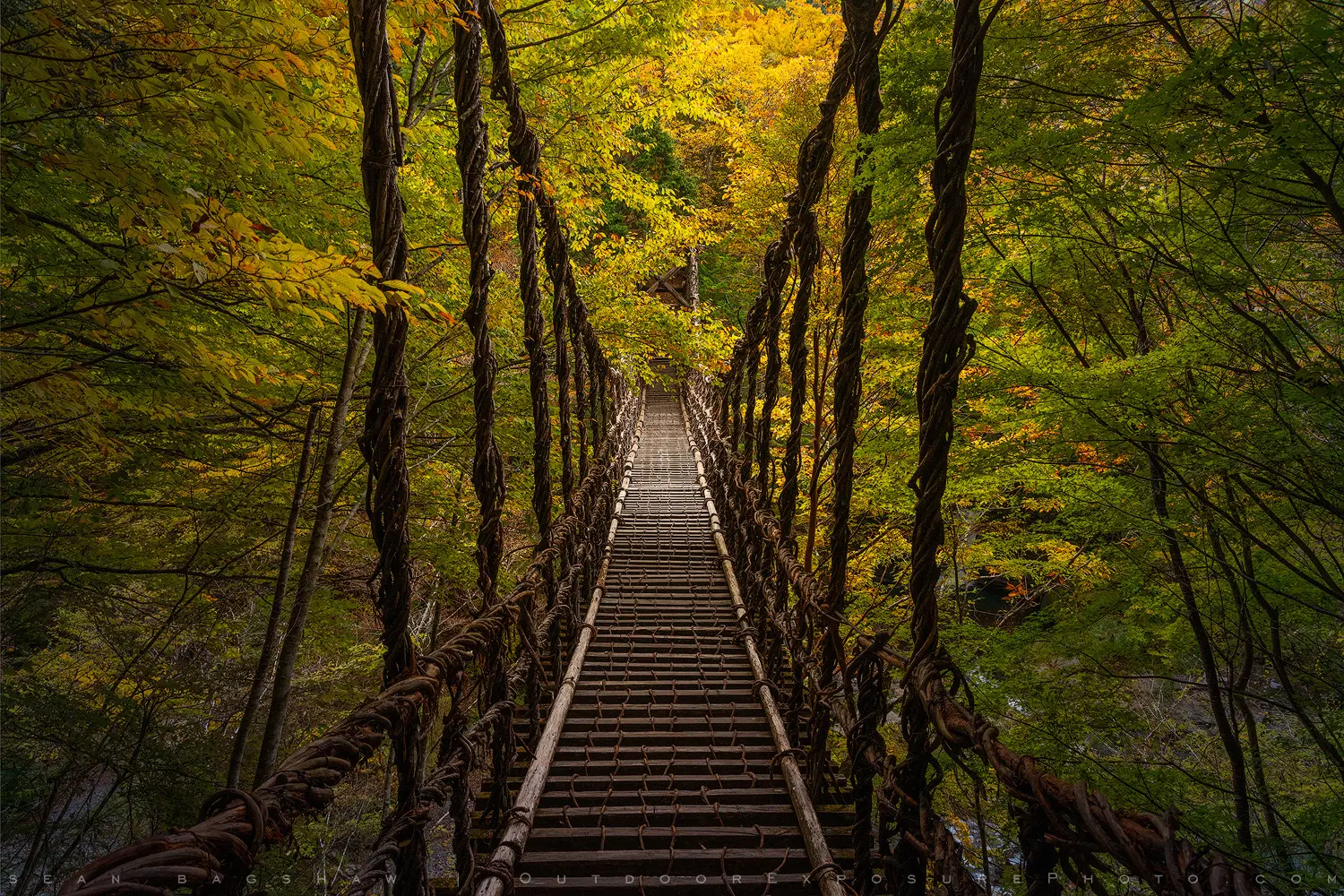
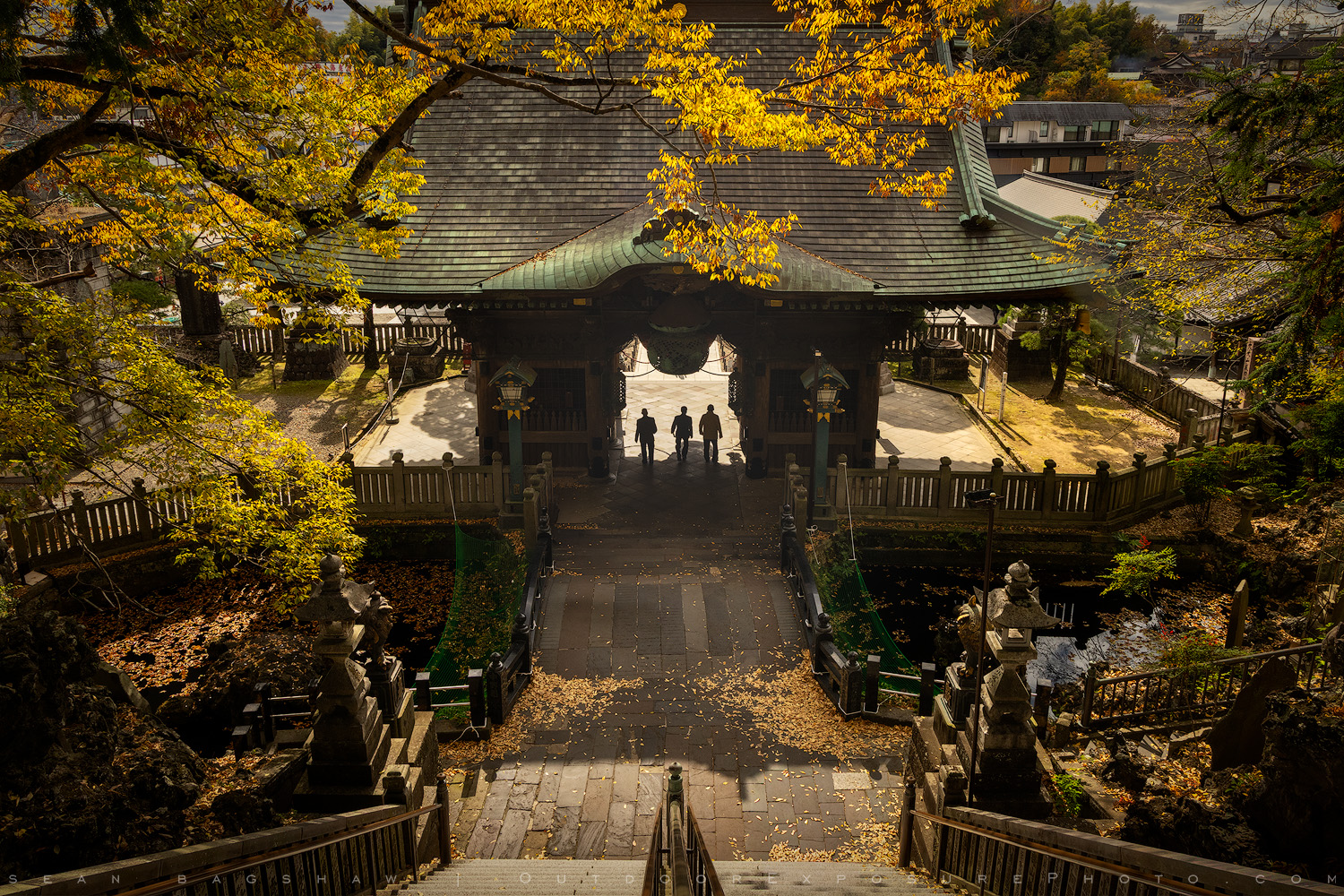
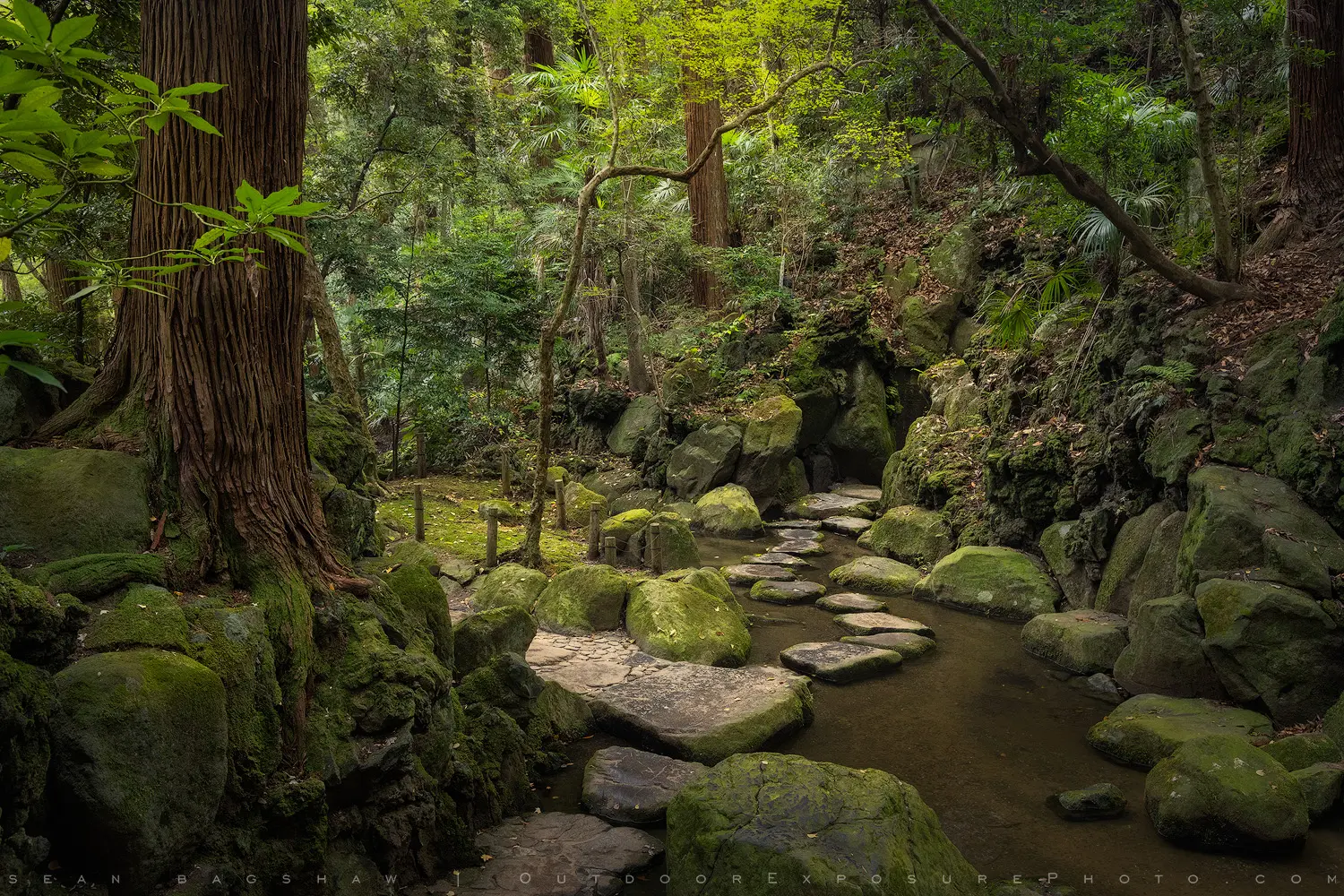
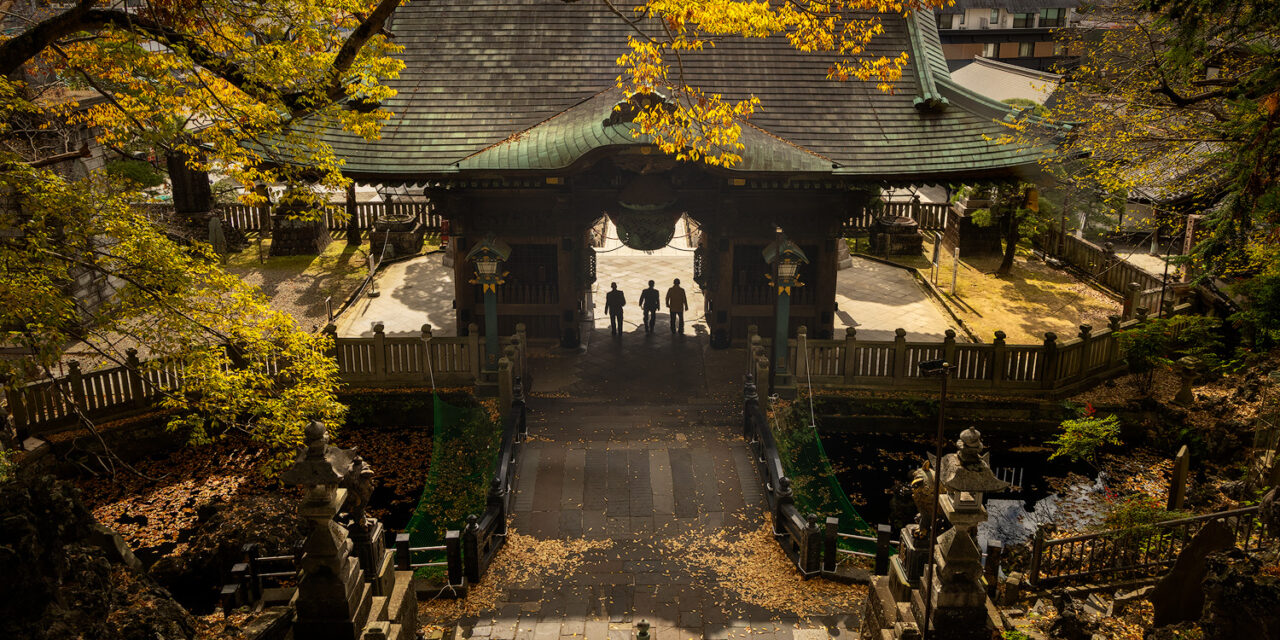
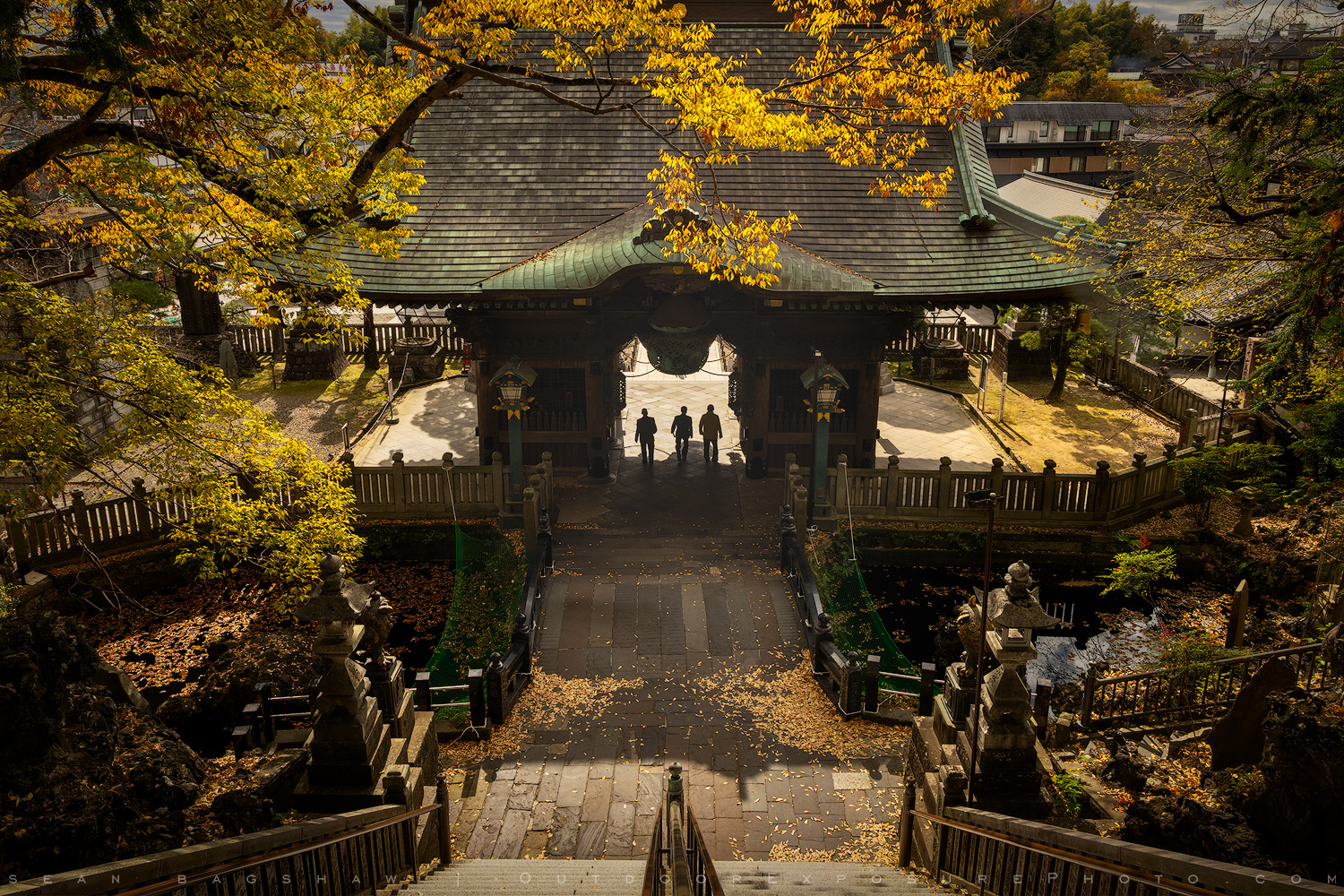
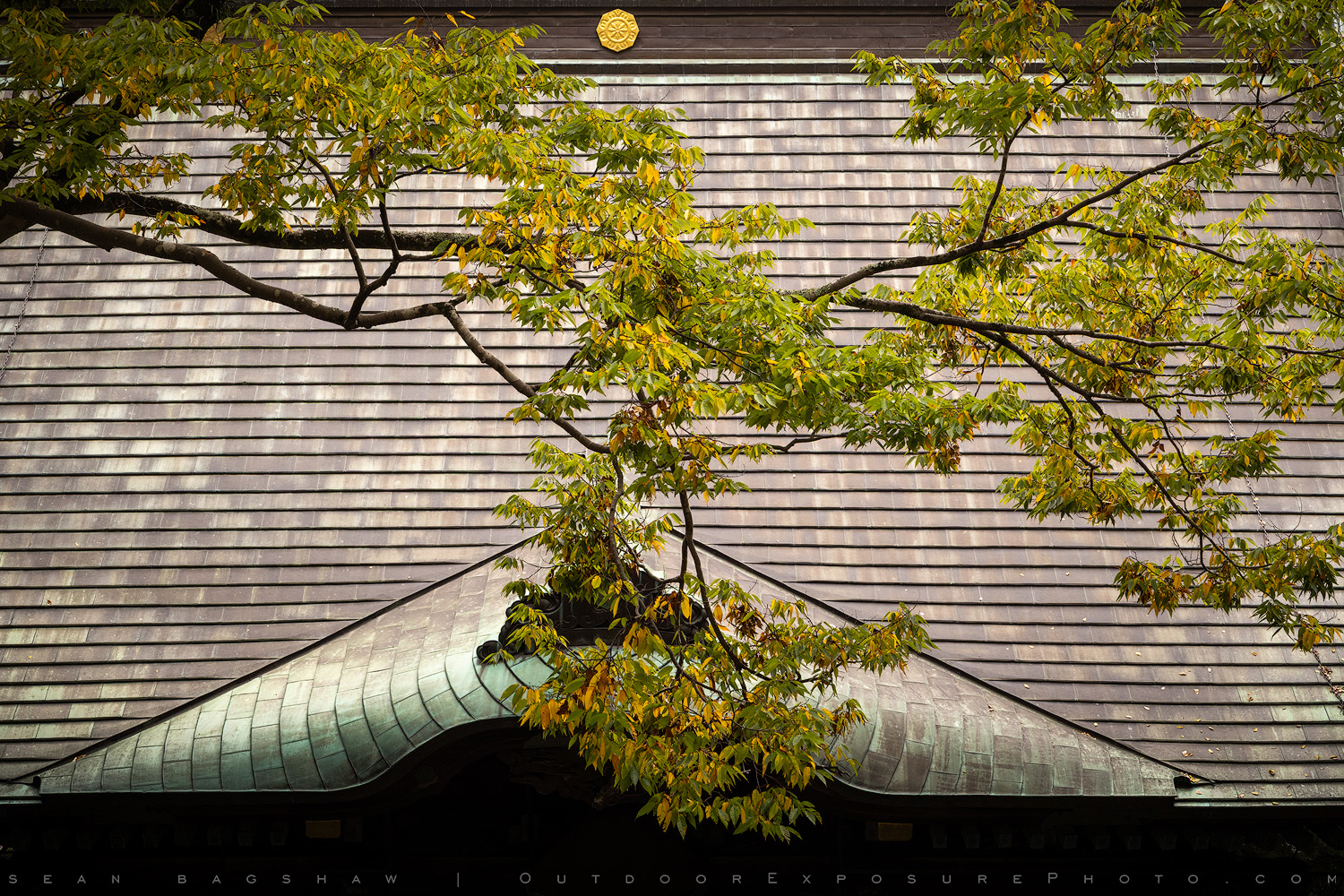
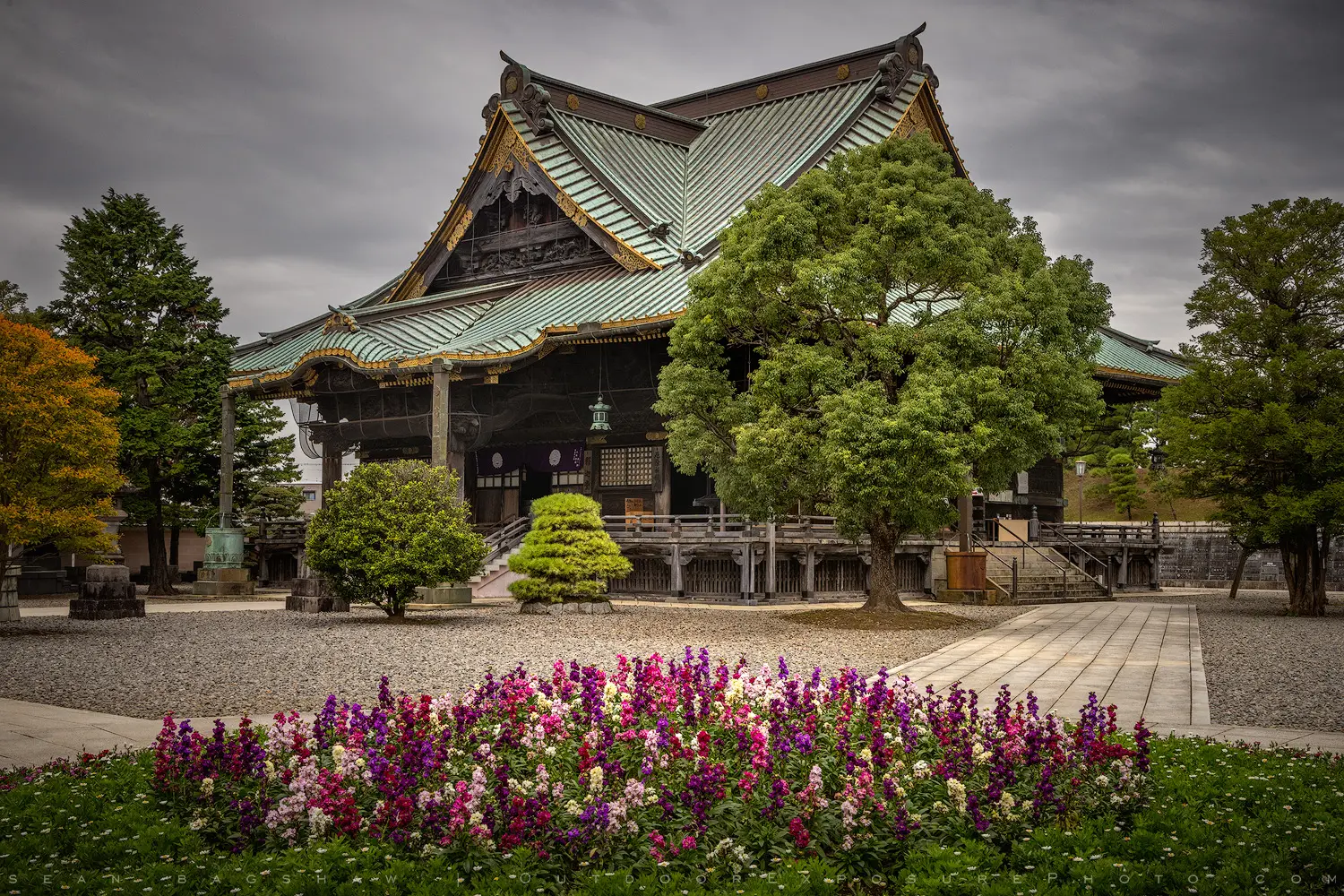
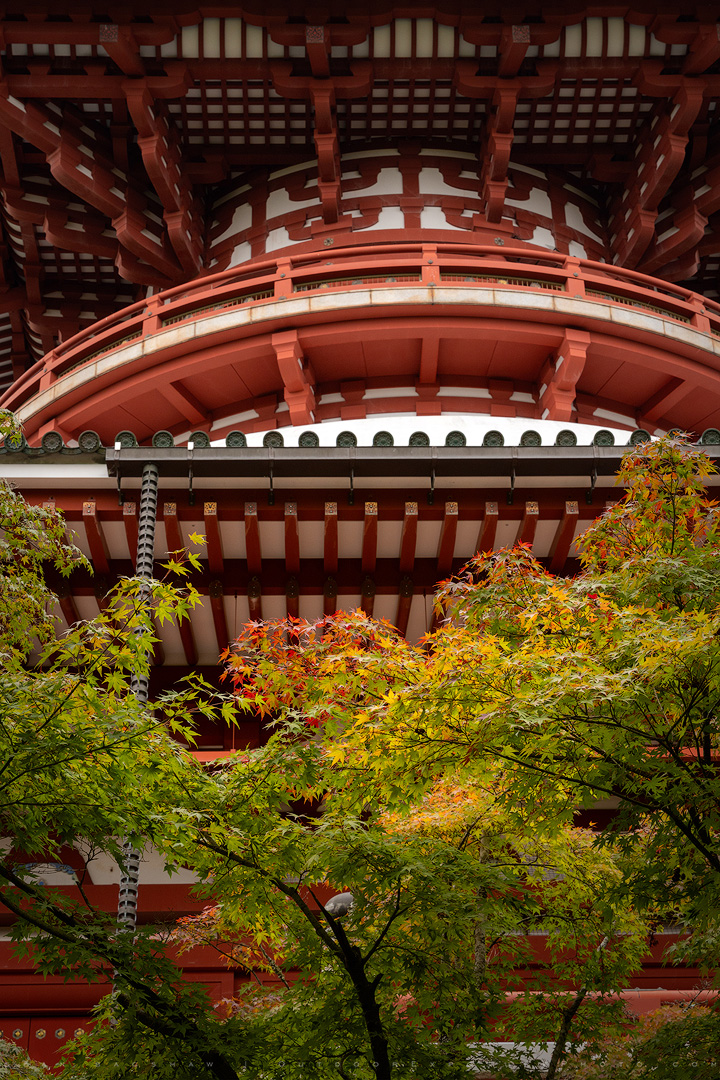
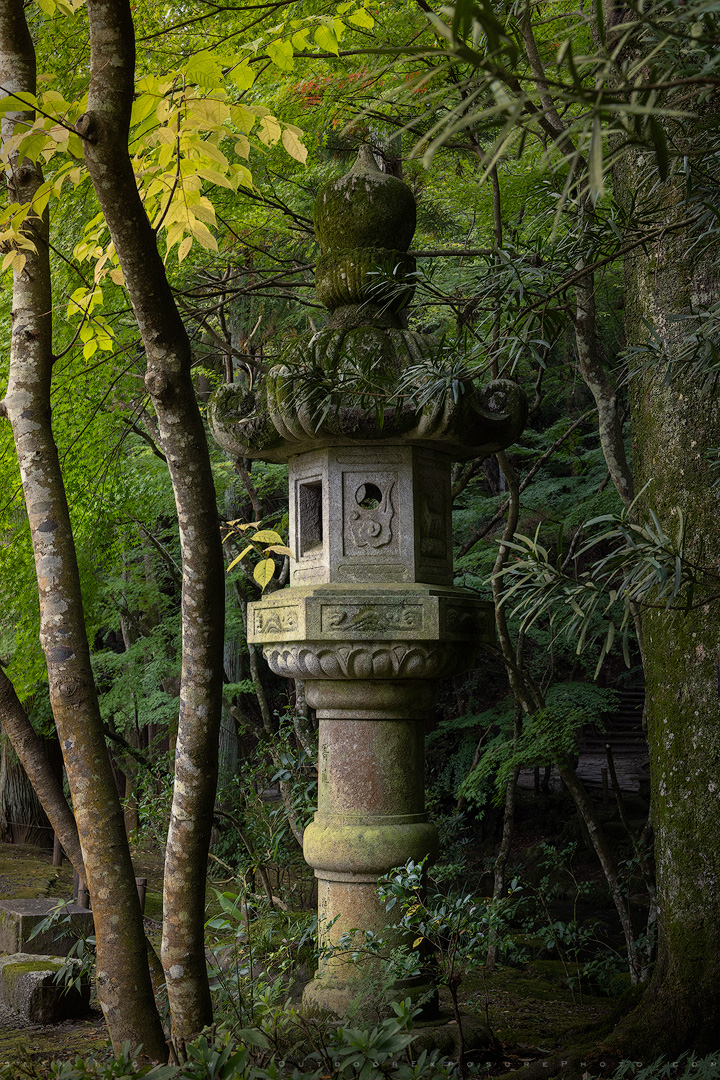
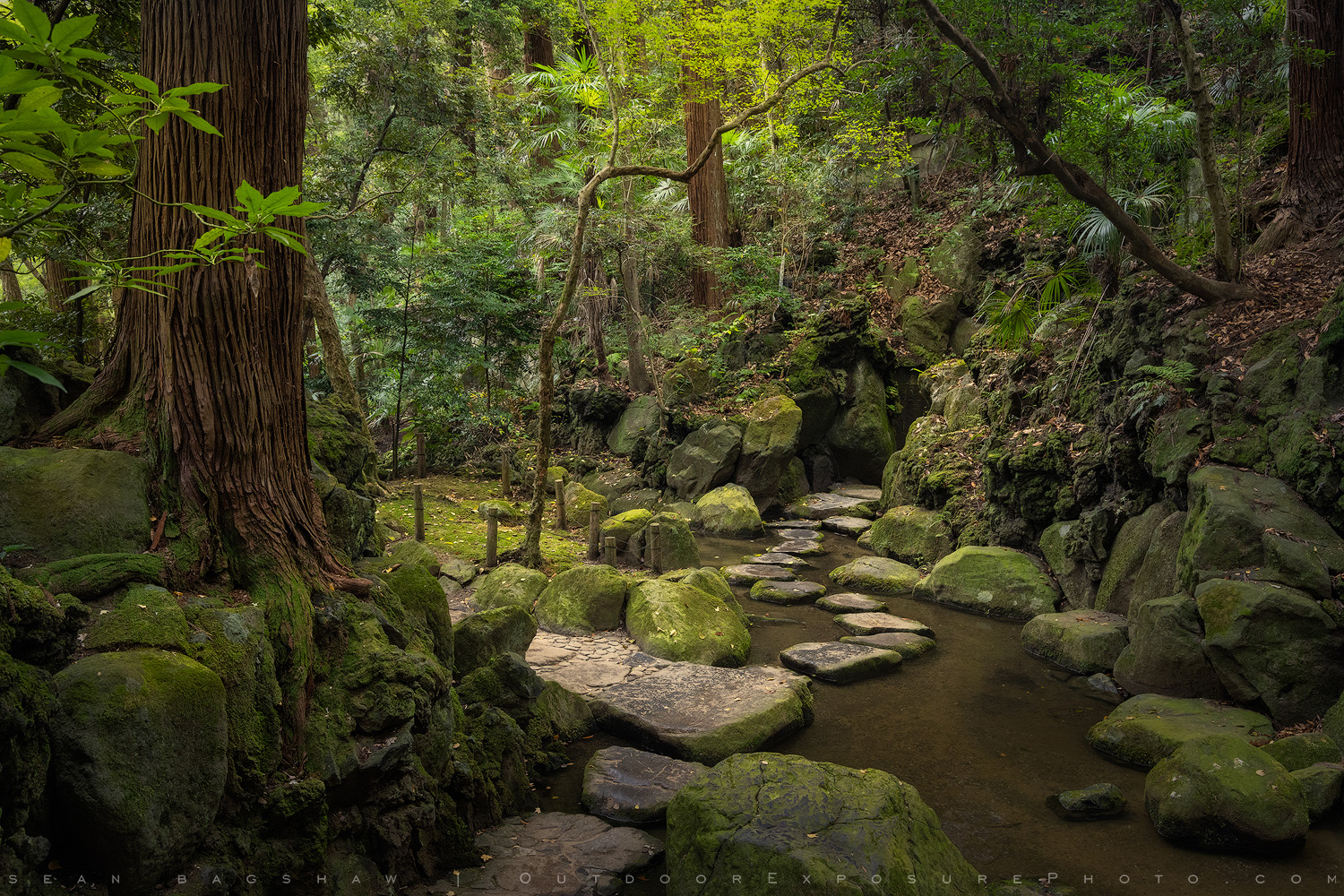
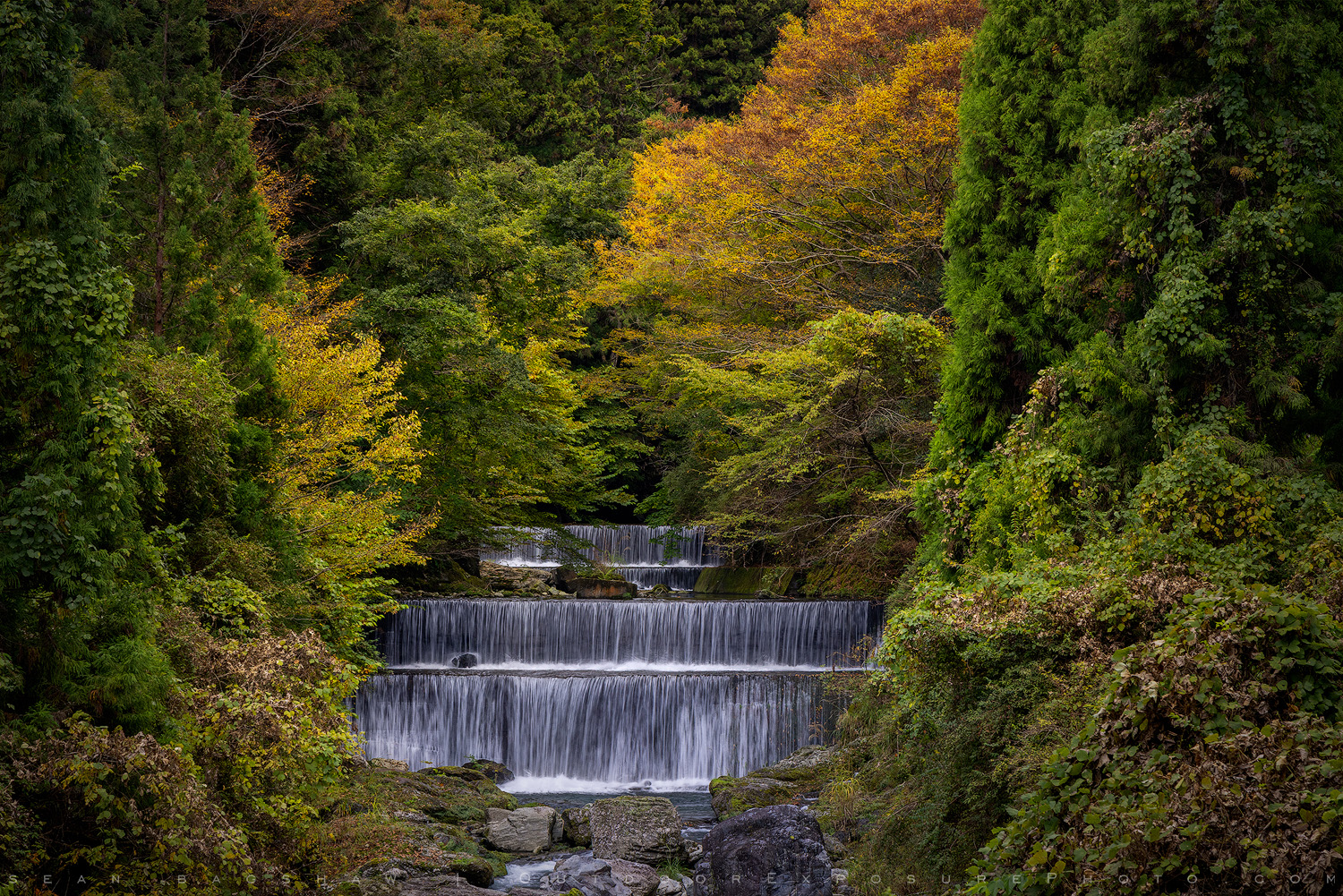
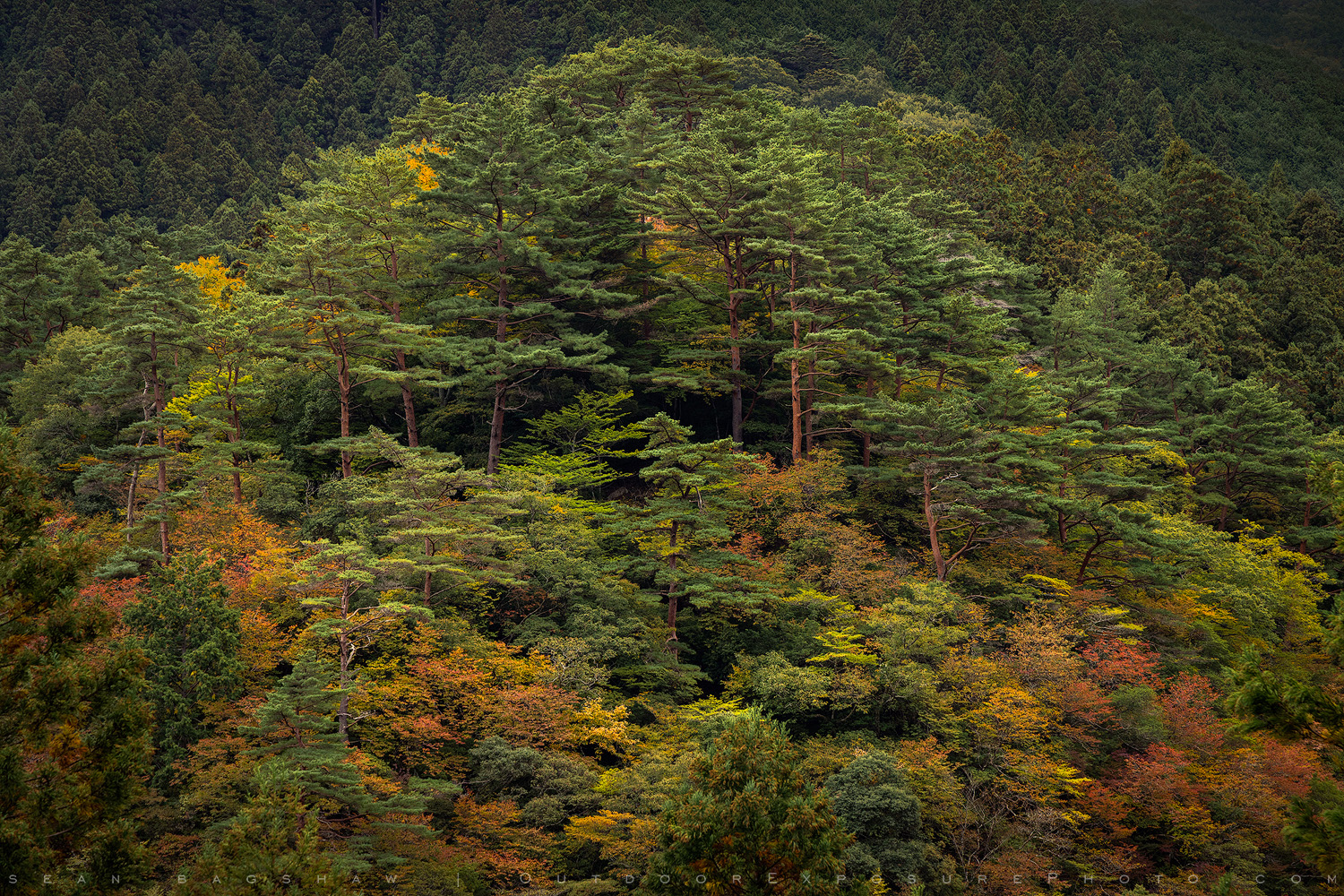
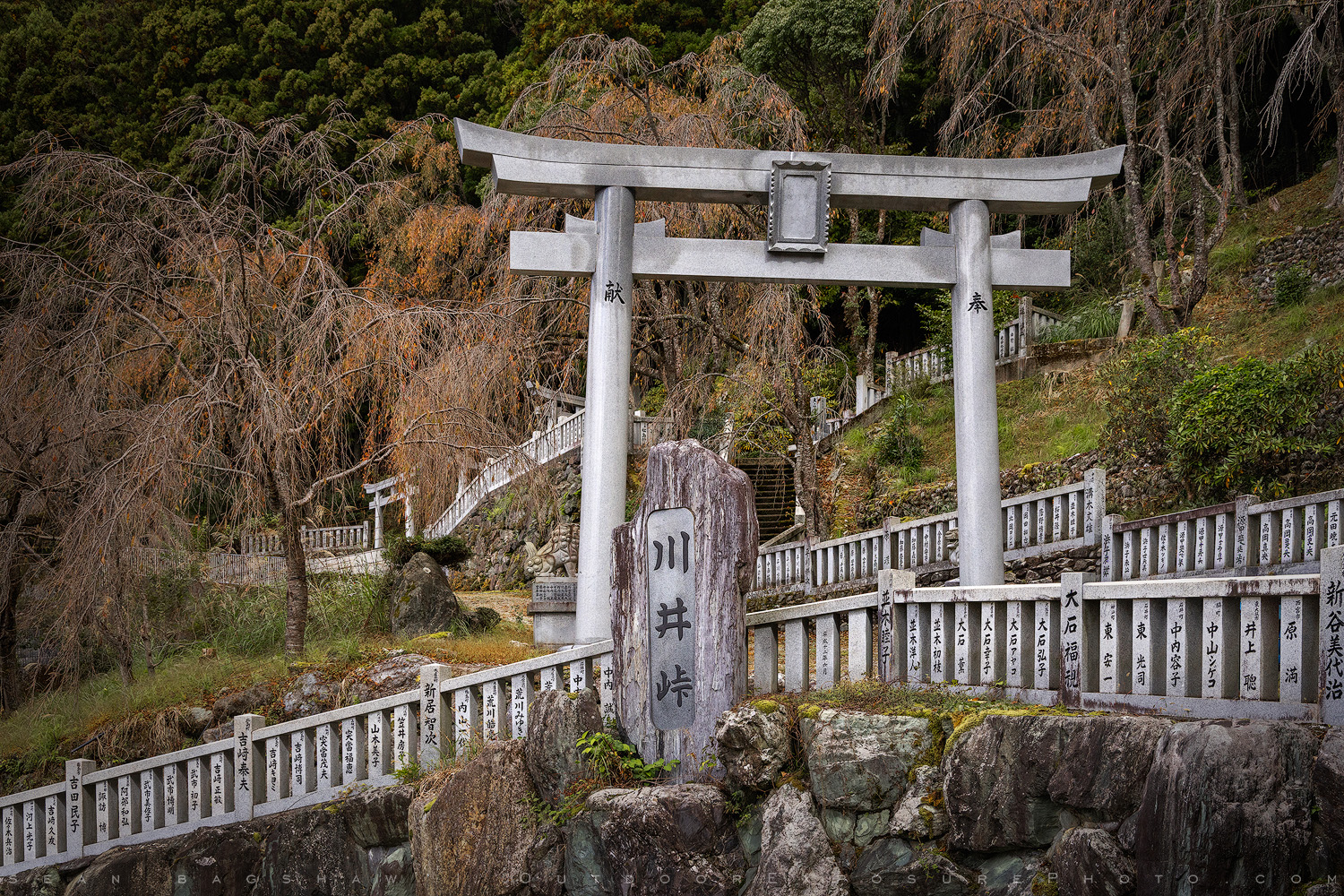
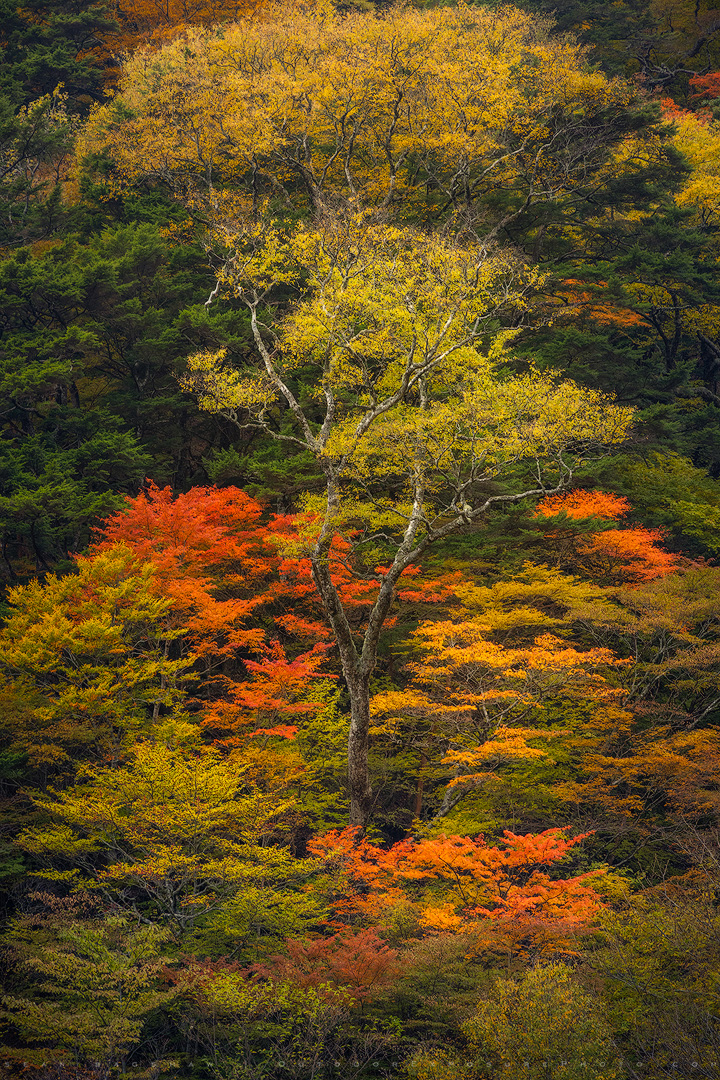
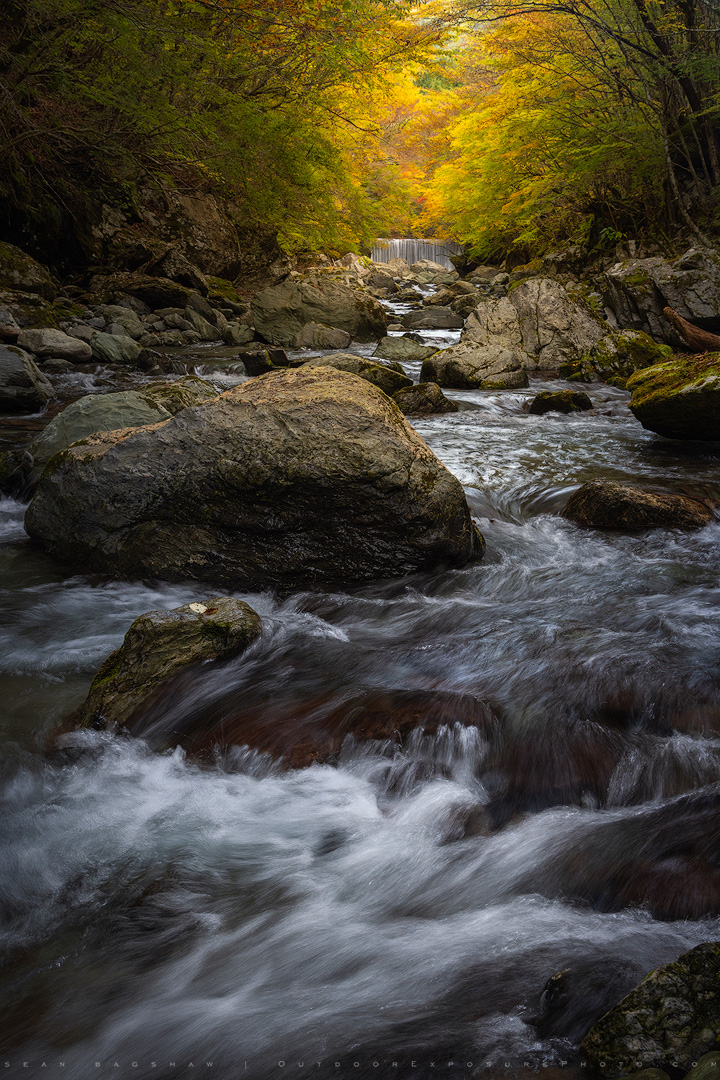
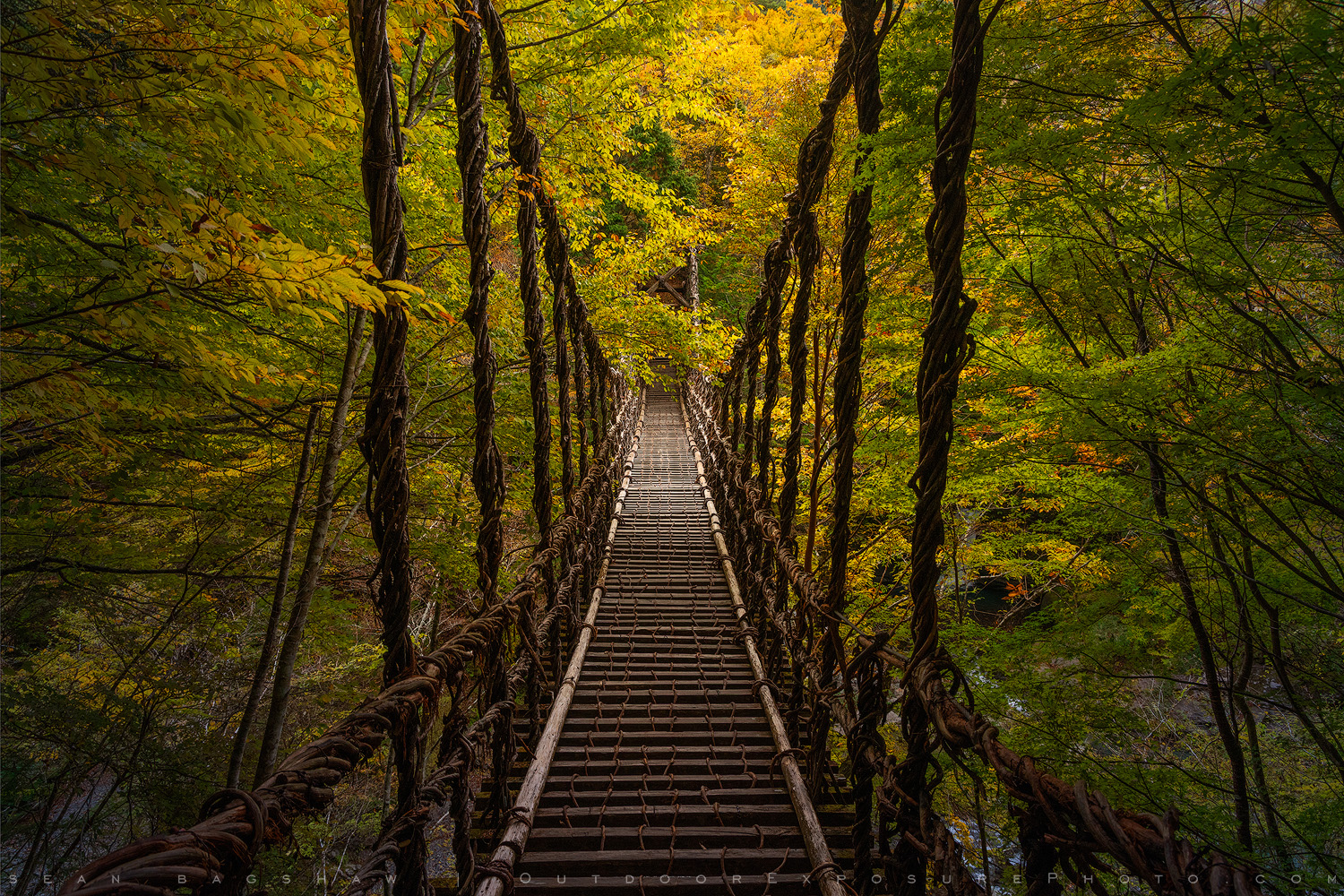
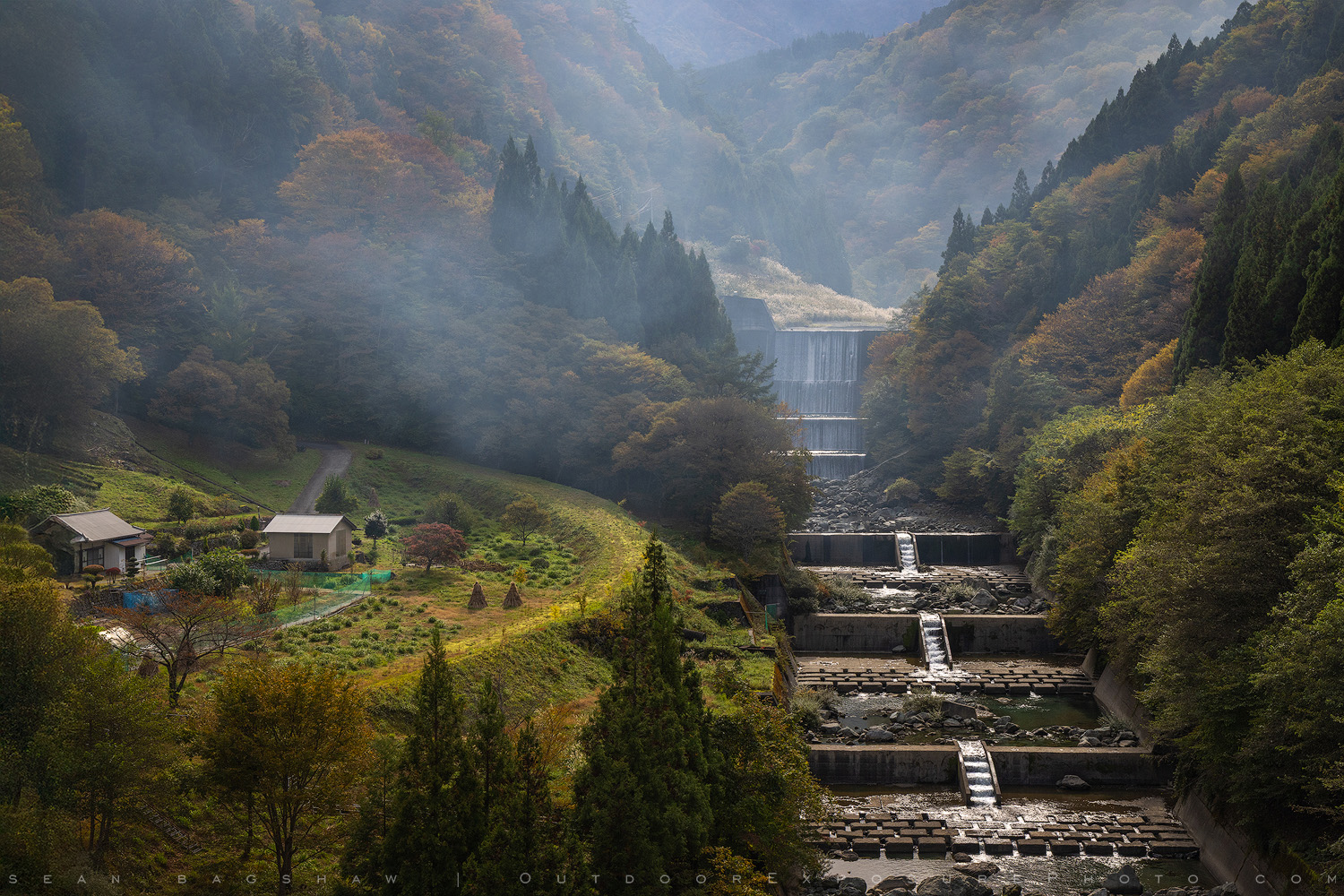
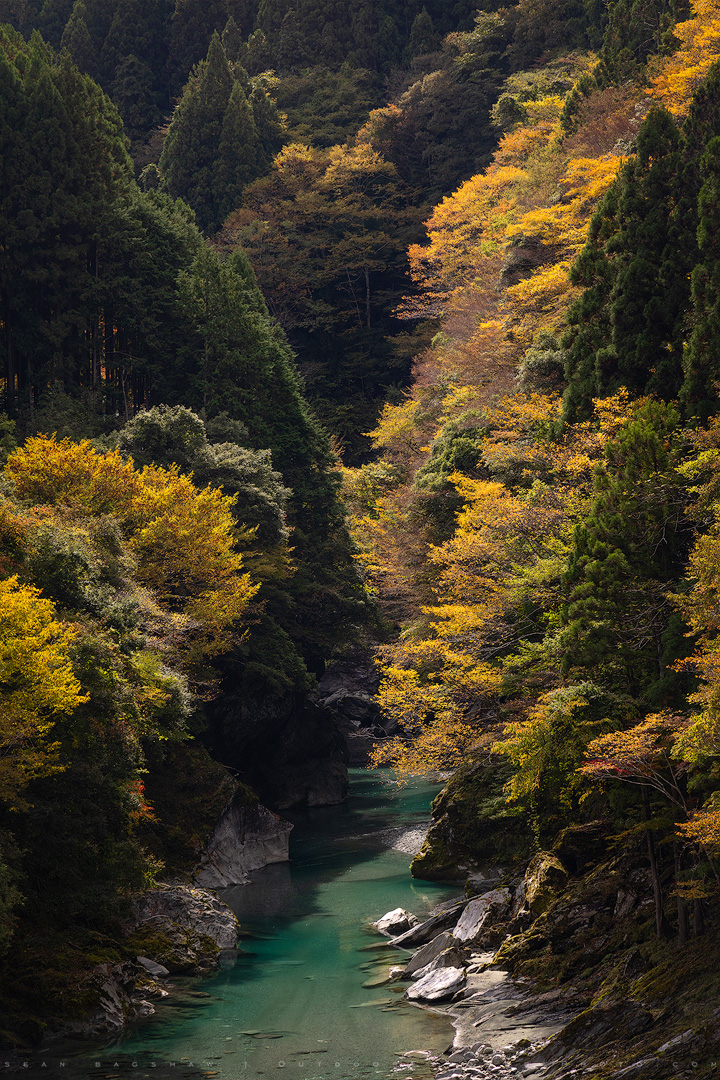
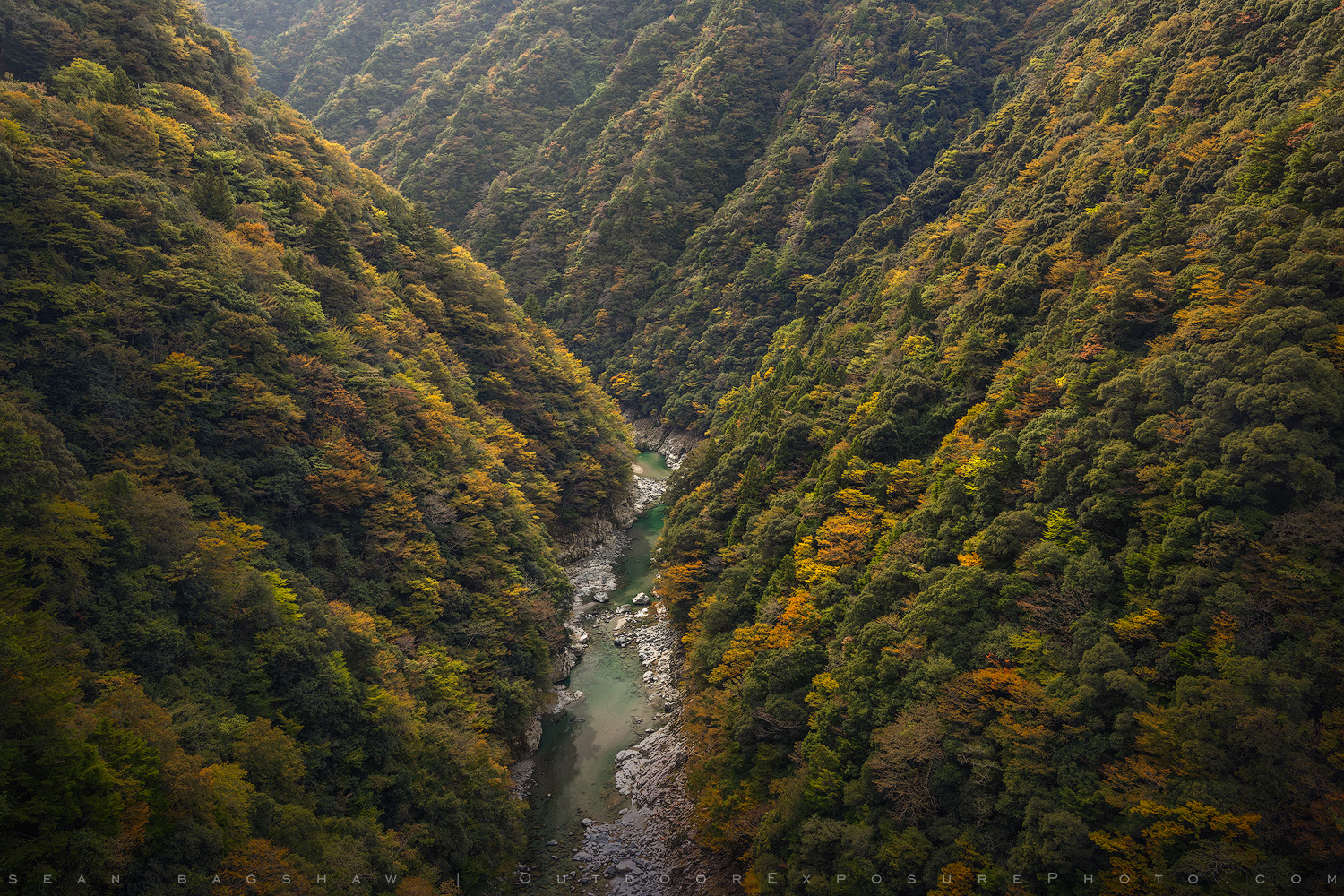
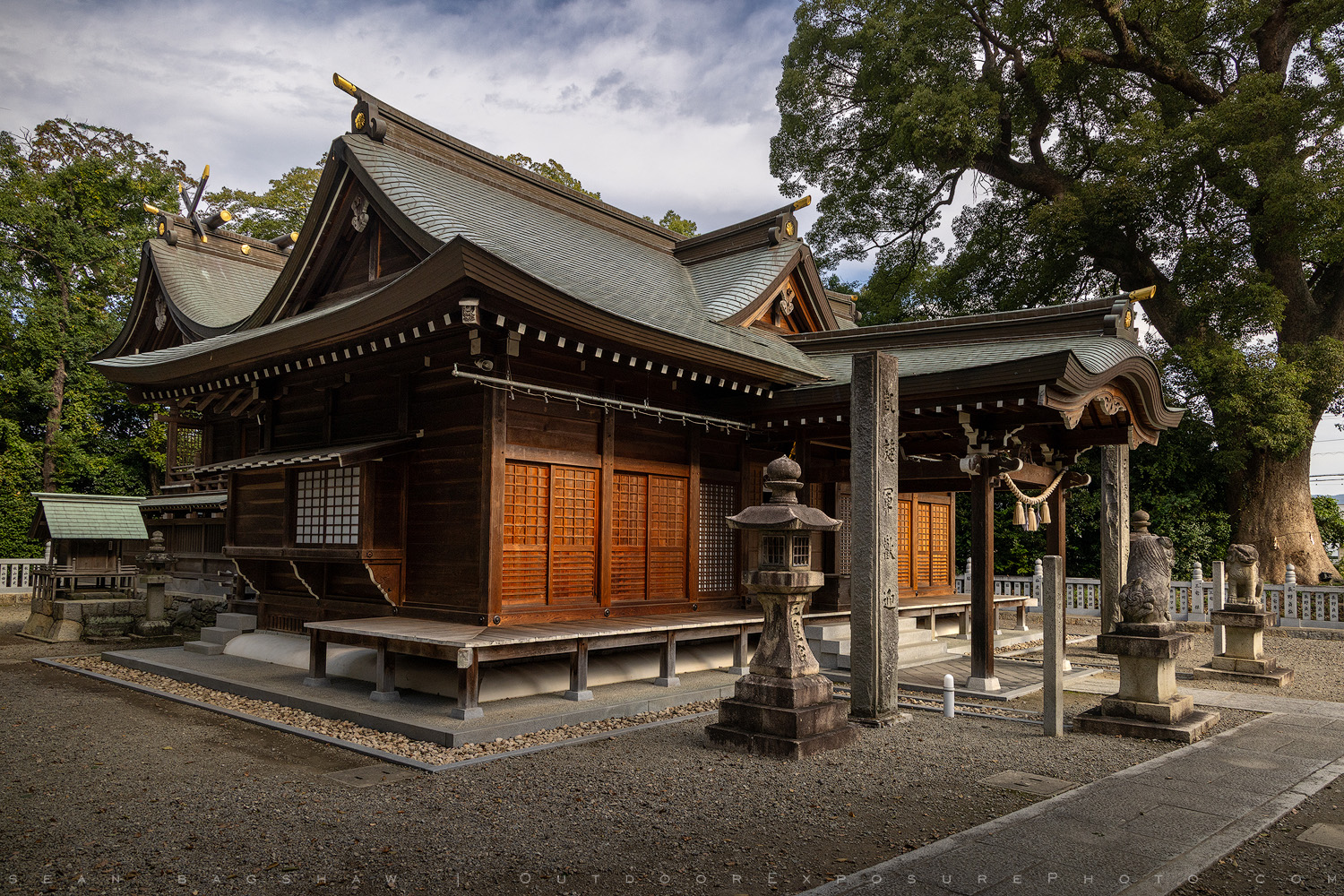
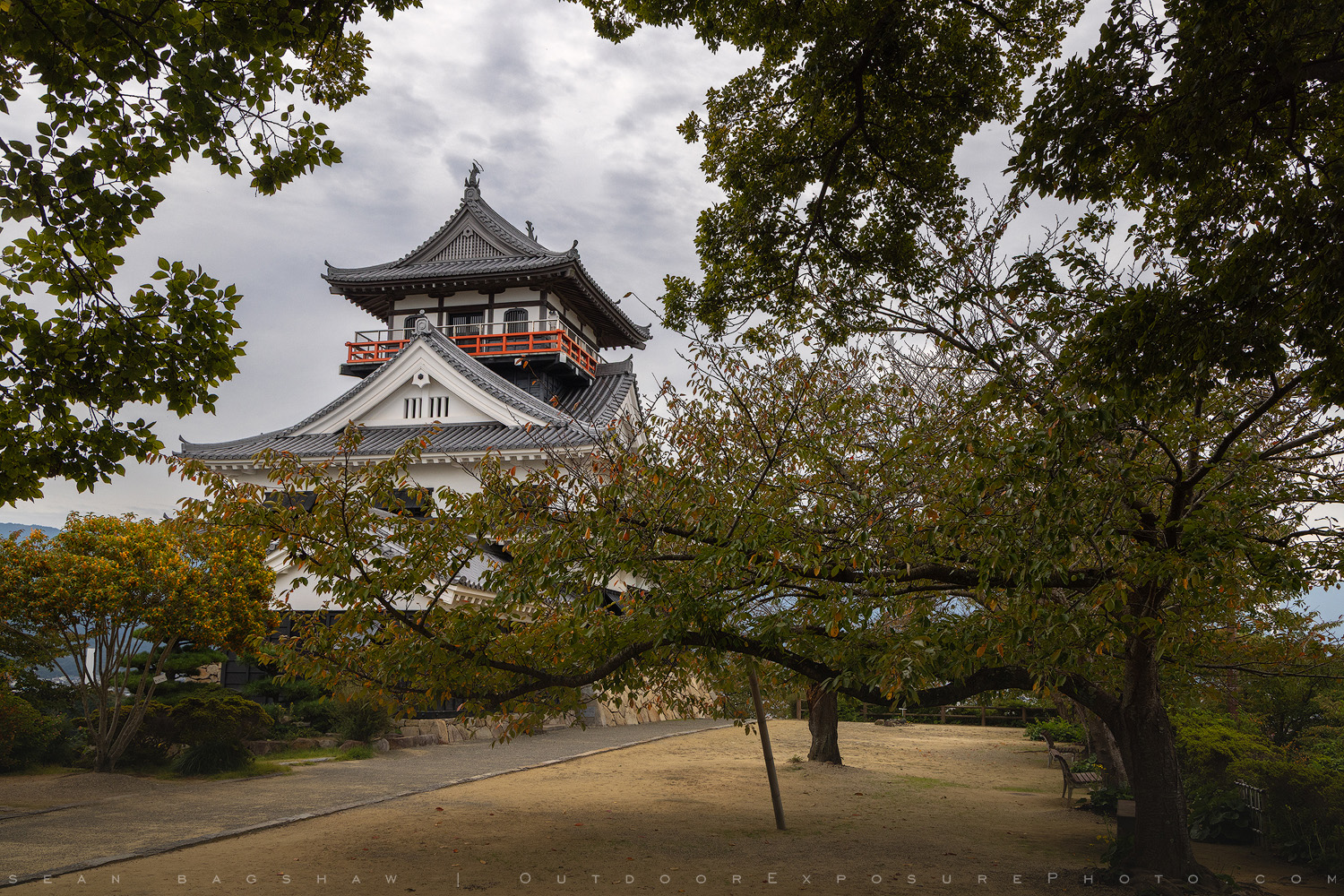
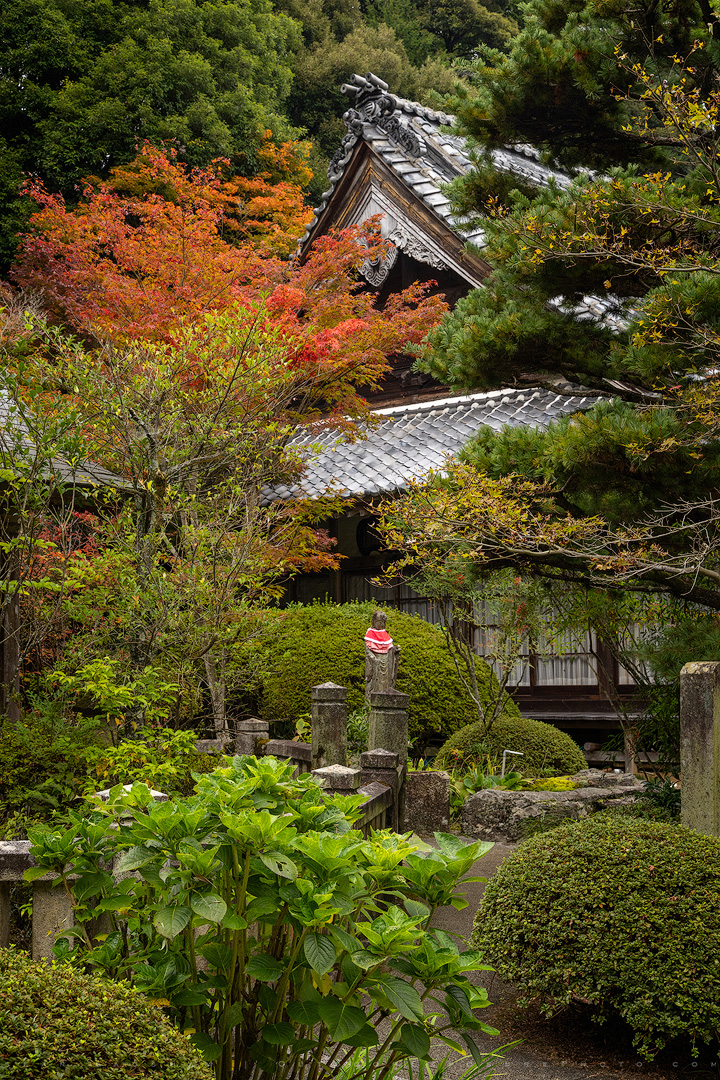
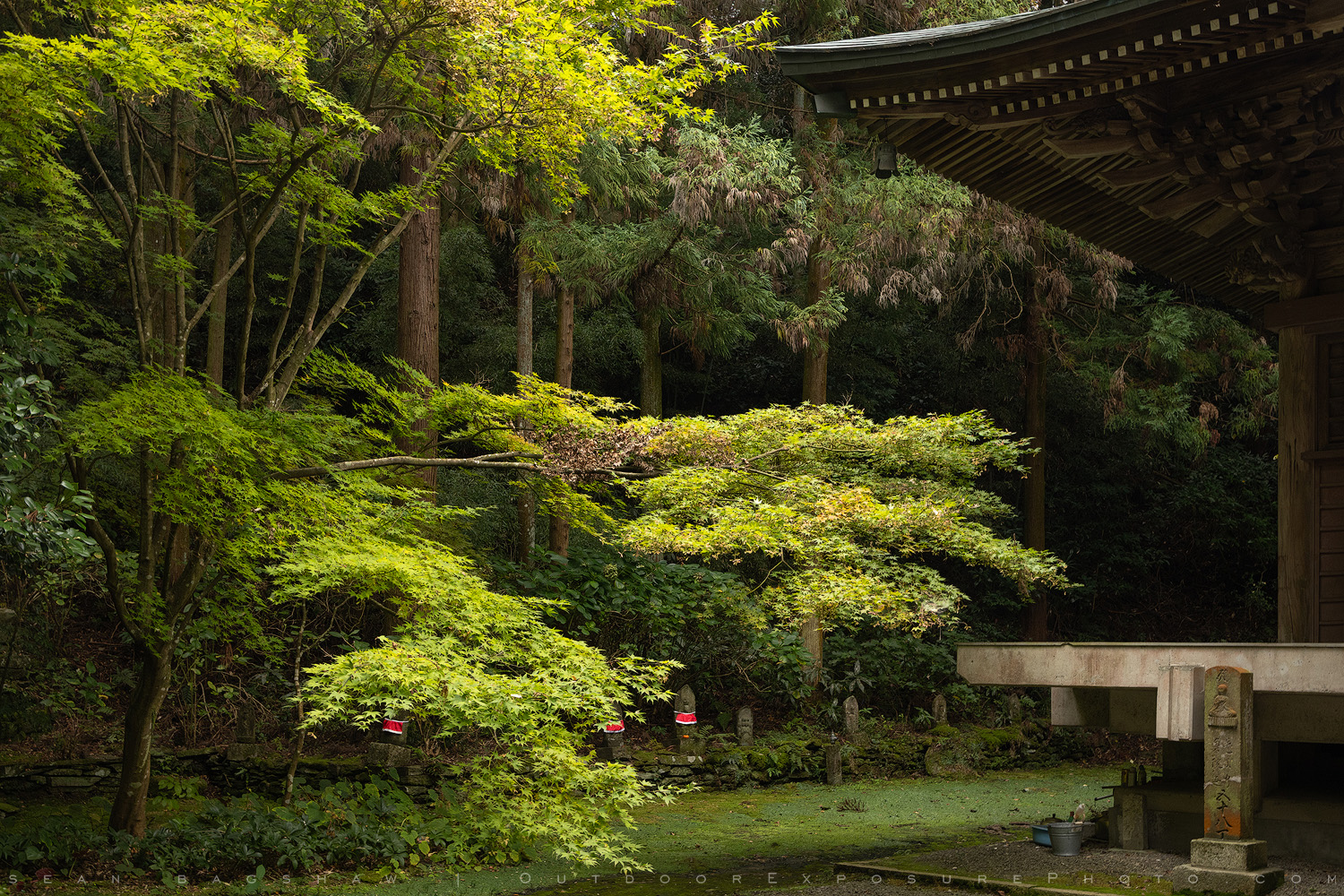
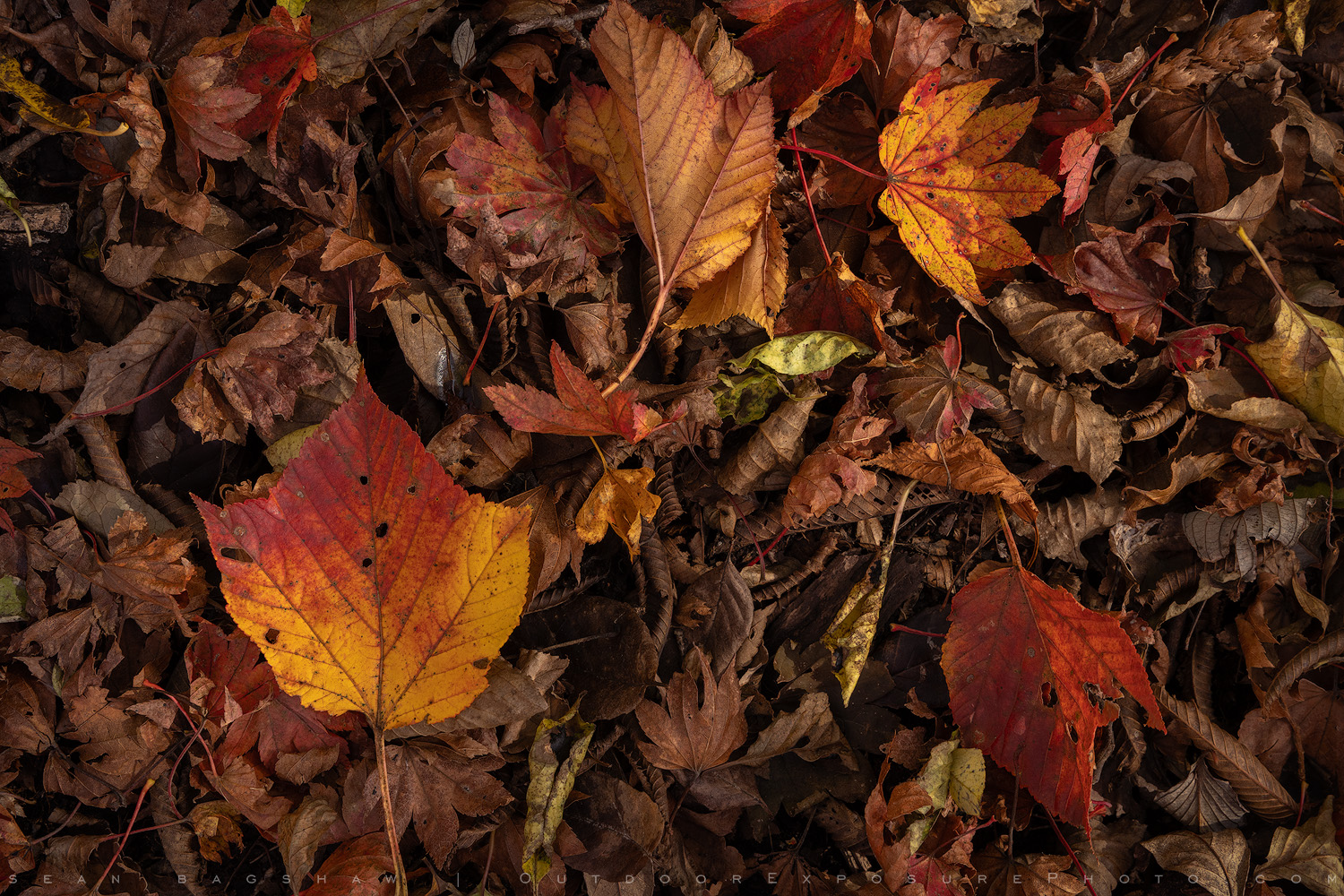
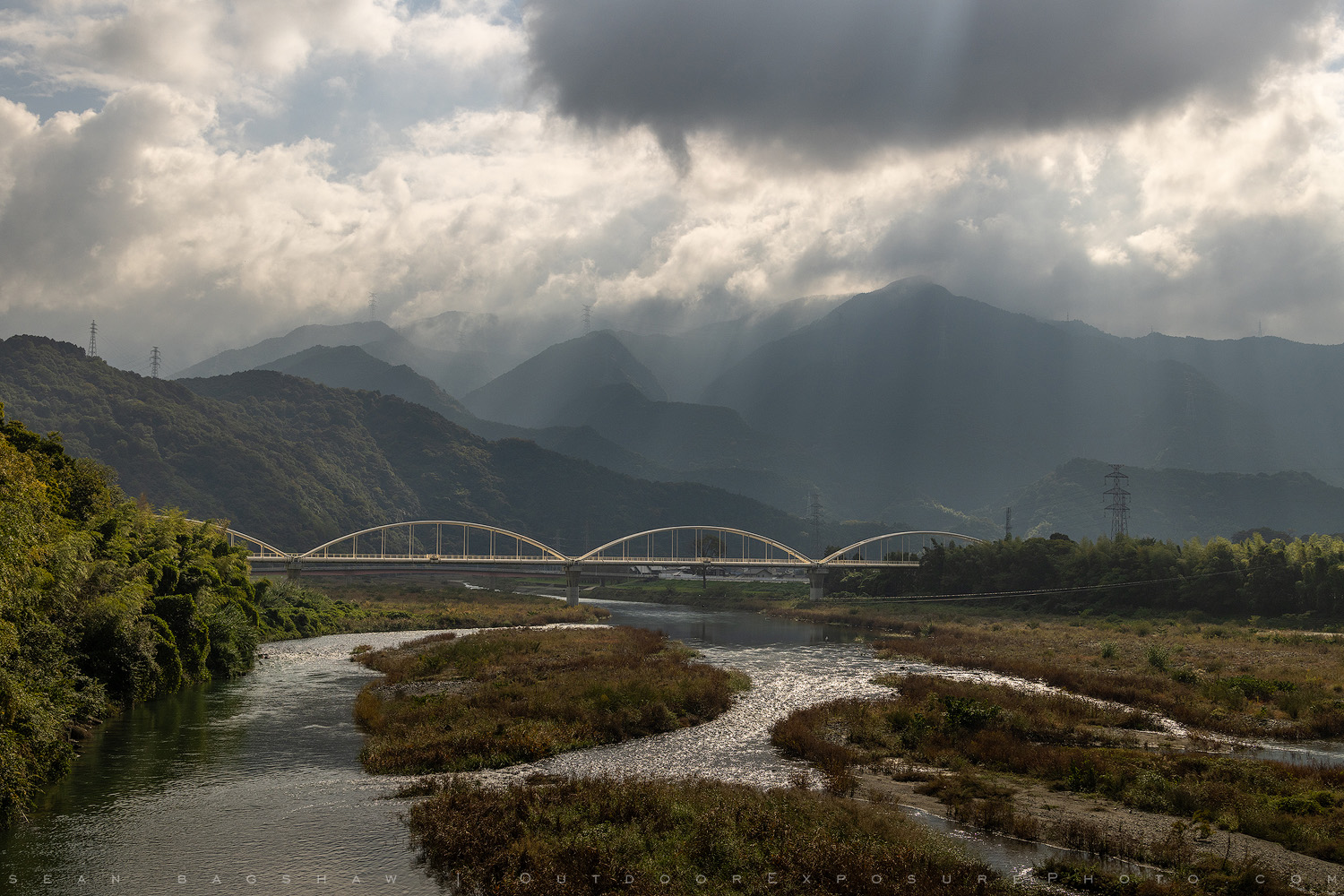
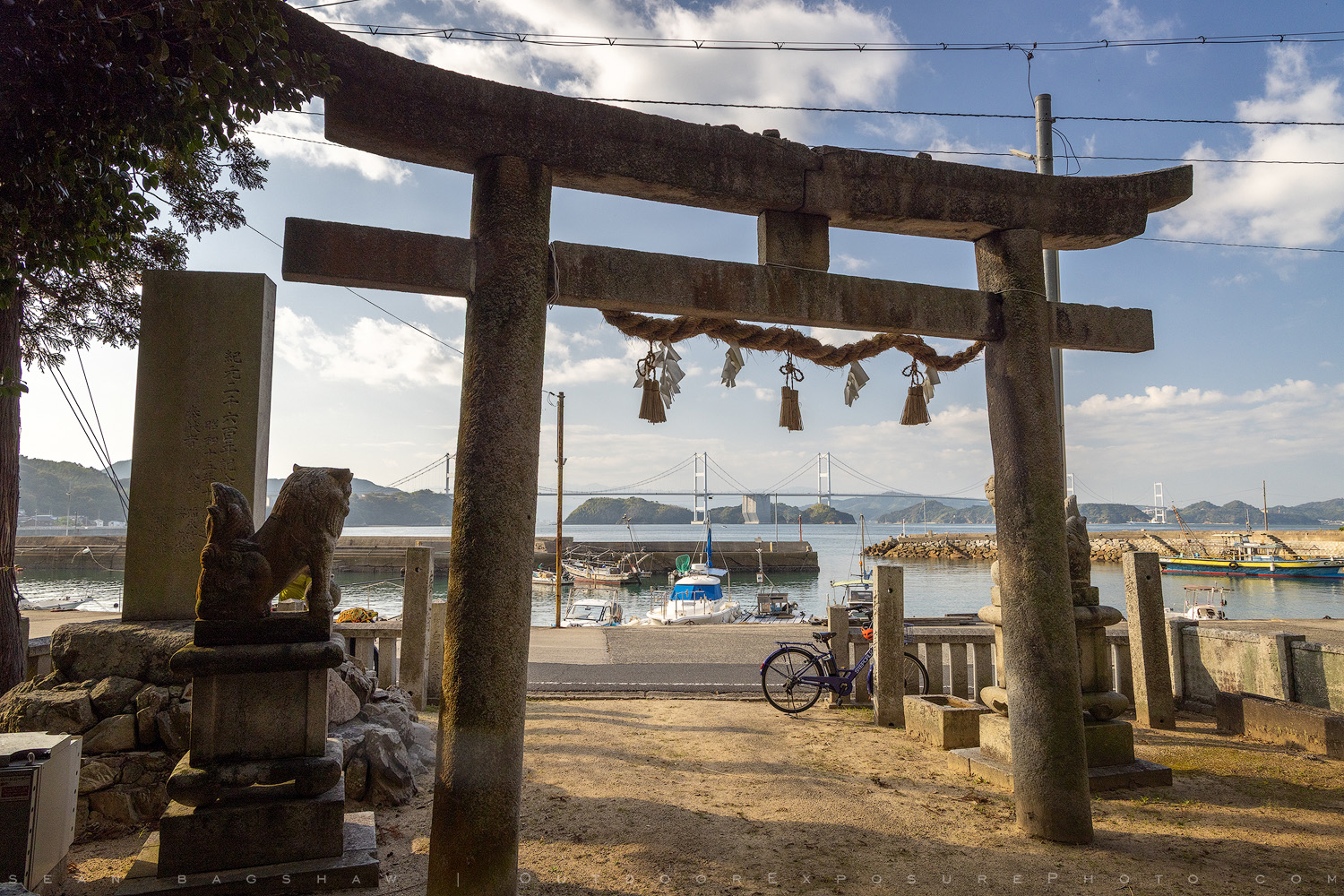
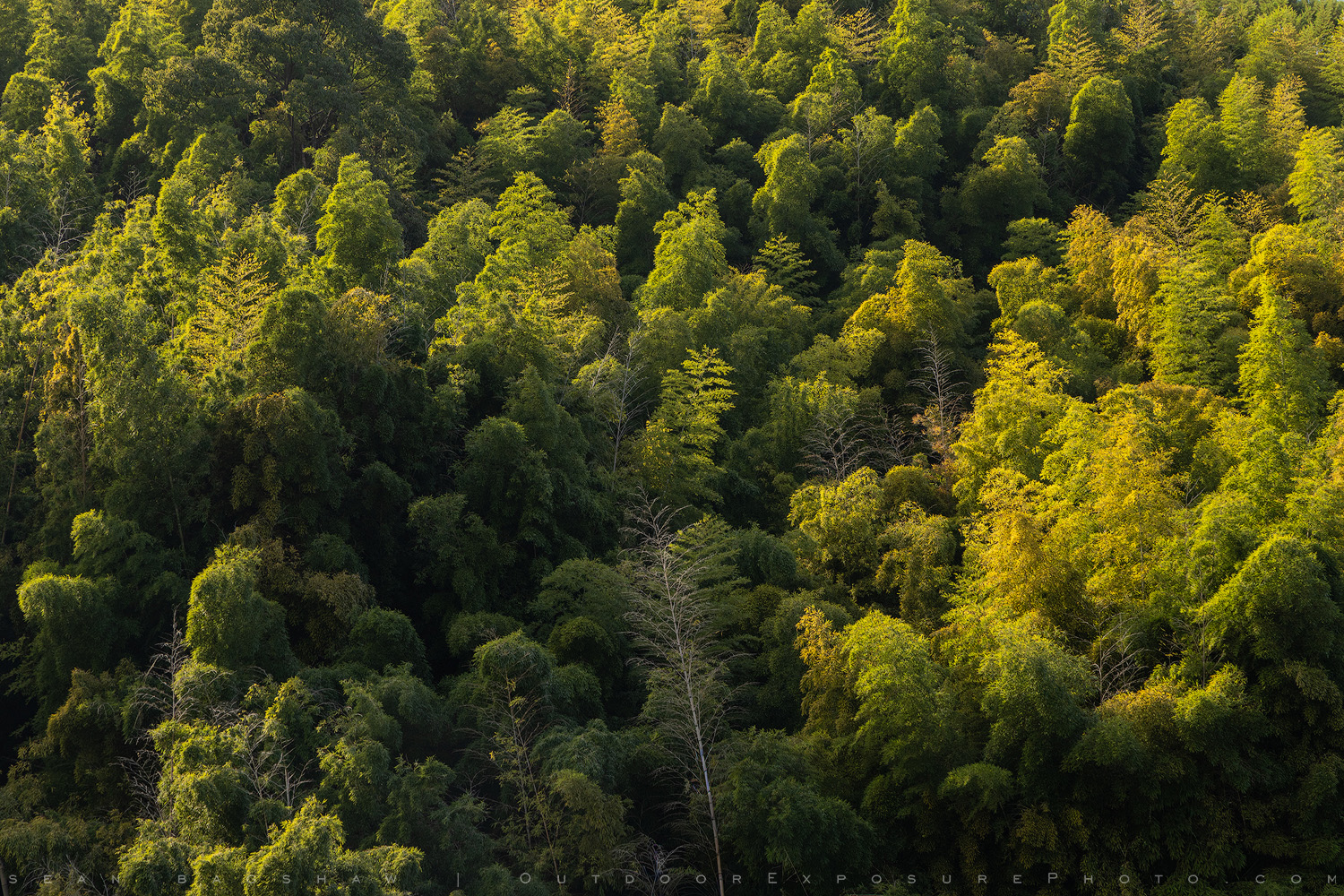
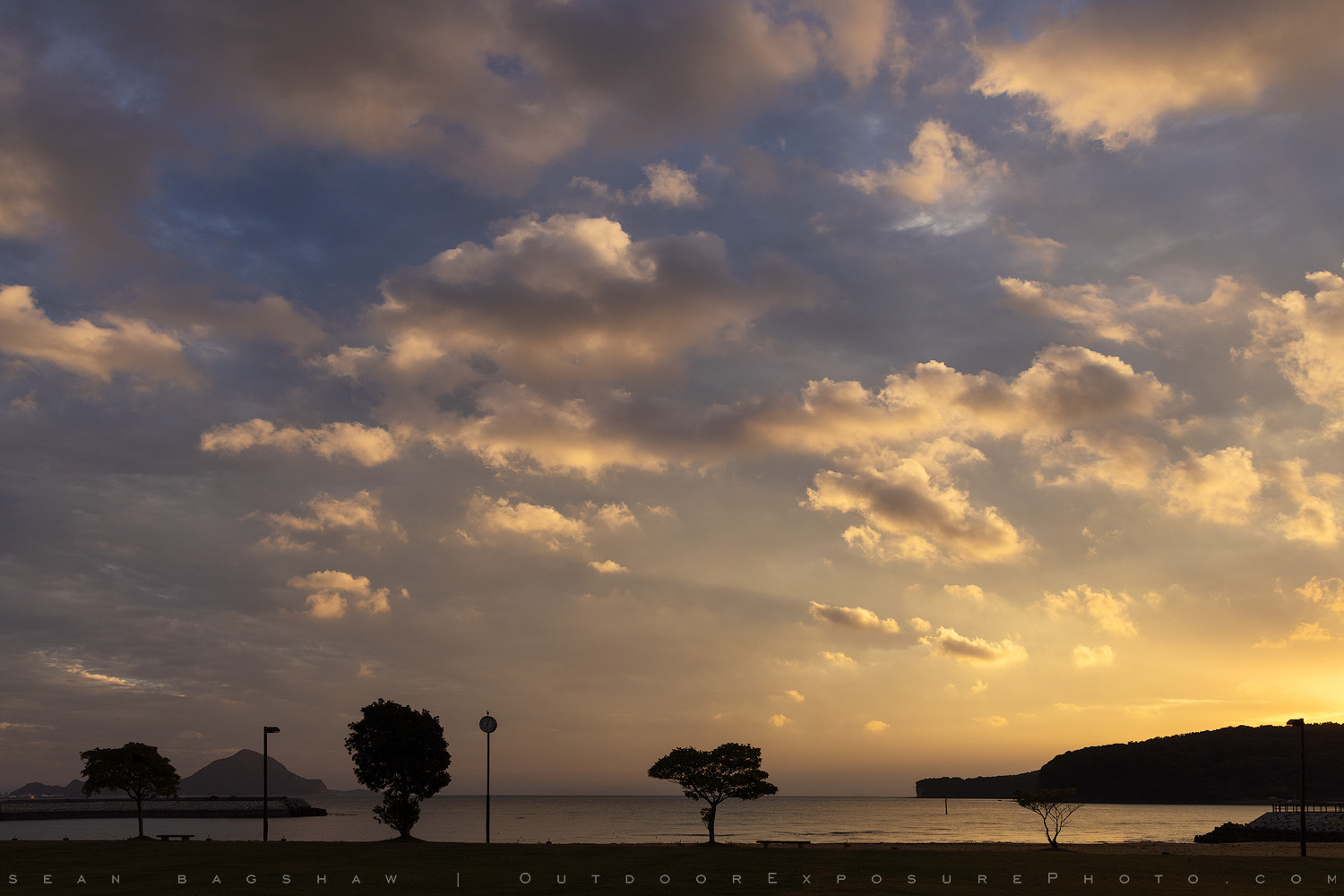
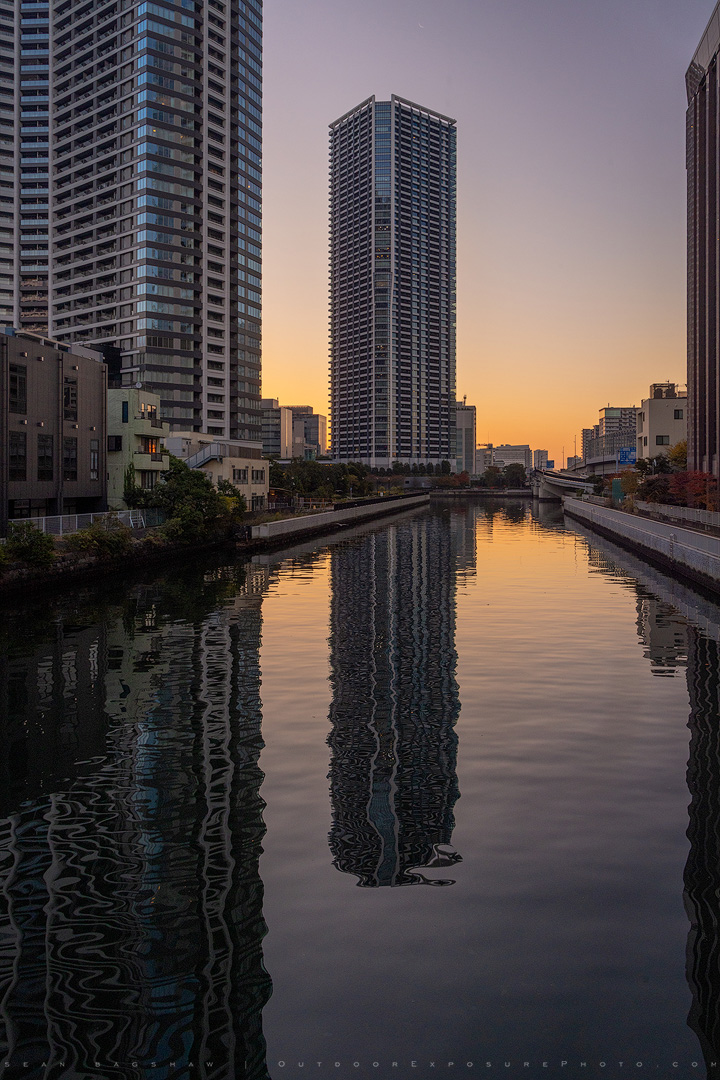
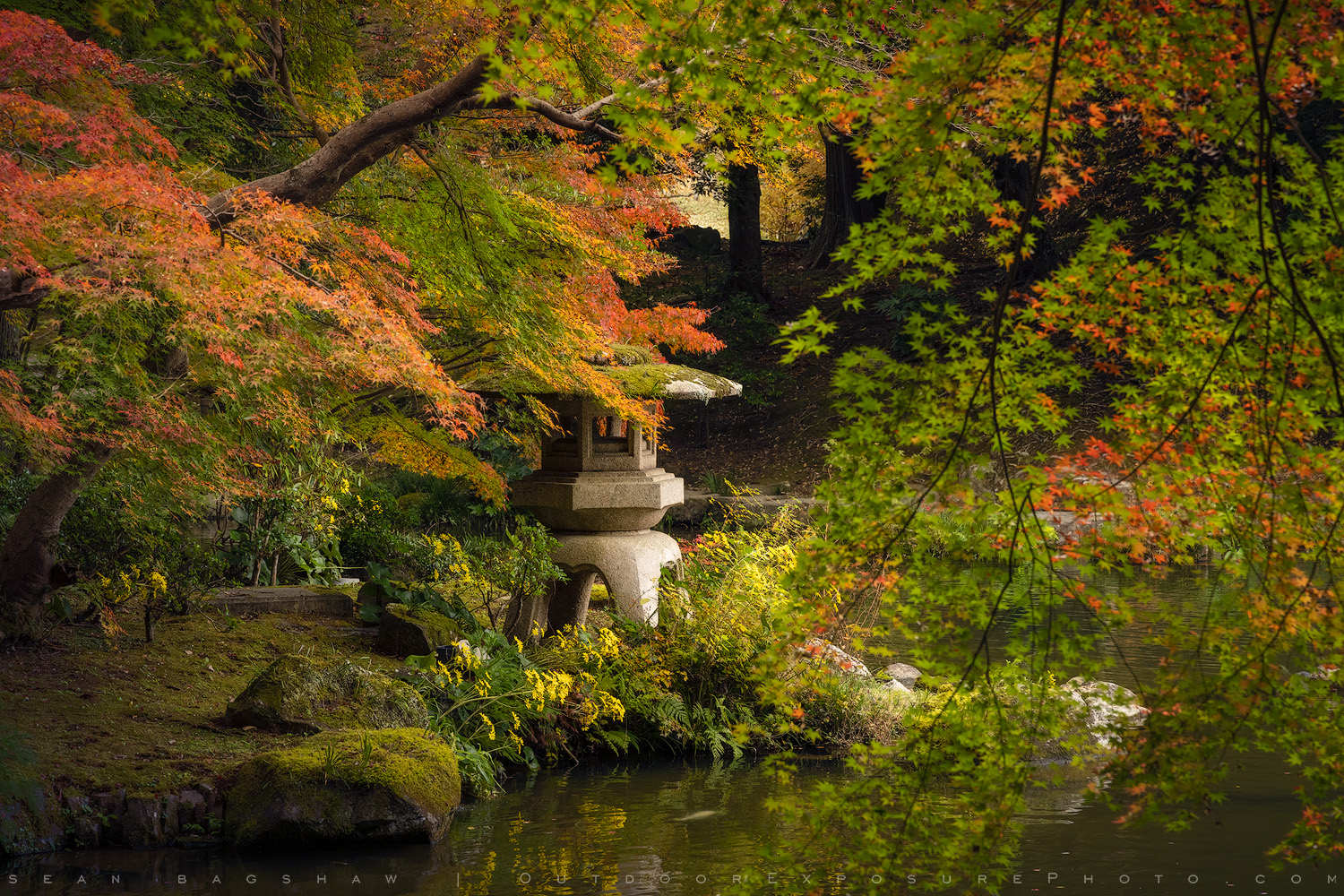
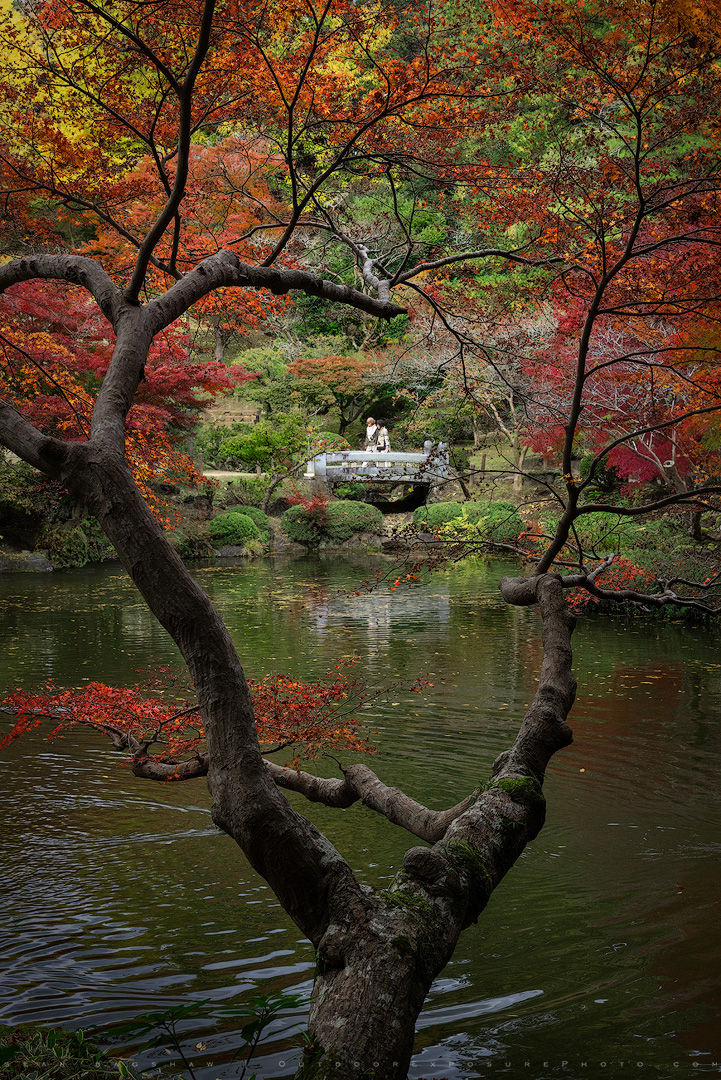
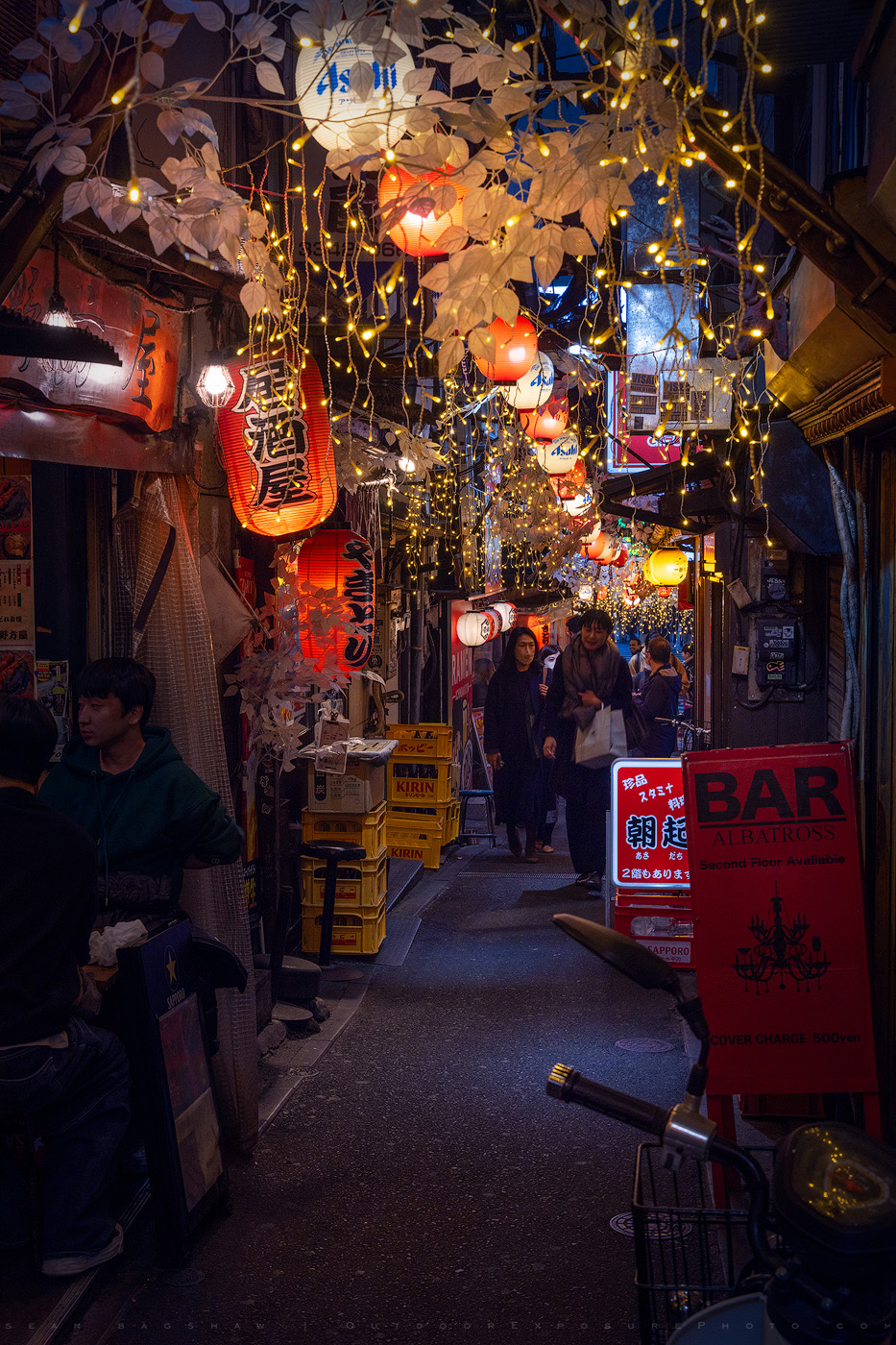
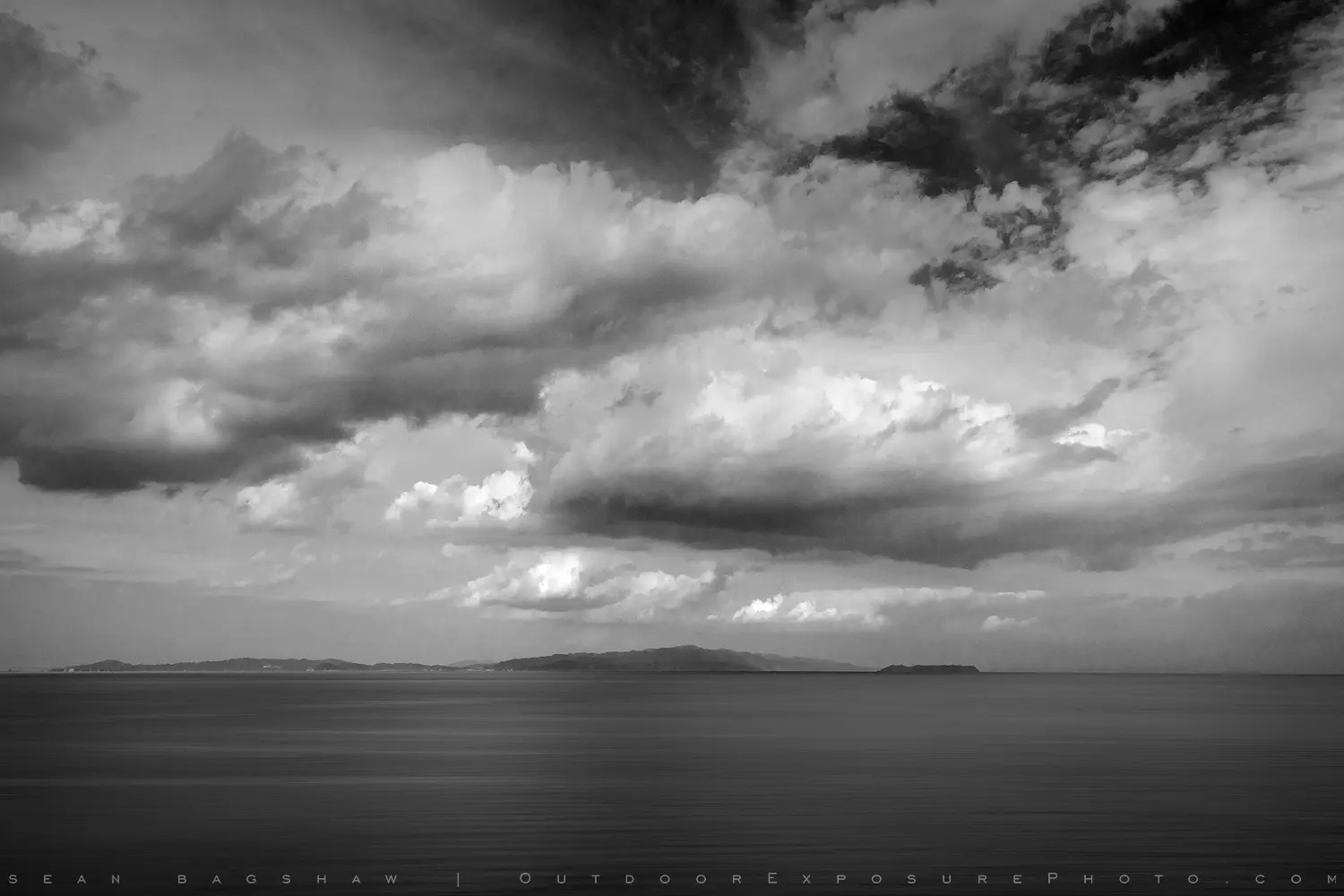
This gallery features a selection of my favorite photographs from a three-week bikepacking trip through Japan with my friend Raynor in November of 2025. Over the course of the journey, we cycled more than 500 miles and spent 57 hours aboard ferries, linking Tokyo, Shikoku, and Kyushu through a mix of islands, coastal routes, and inland landscapes, including the Shimanami Kaido island bike route. Whenever possible, we avoided major roads in favor of country lanes, farm roads, bike paths, and quiet neighborhood streets, which shaped both the pace of the trip and the photographs themselves. I traveled with a single camera body and one lens, photographing entirely handheld and often on the move. While many moments were captured with my phone, a small number of images were made when time, light, and conditions aligned and I could slow down and work more deliberately. Together, these photographs reflect a balance between motion and stillness, and a way of experiencing place that’s best discovered at cycling speed.
If you’re curious what the cycling journey behind these photographs looked like, I’ve put together a video that captures the experience.

Filed Under: Adventure Journal, Featured Photos

Favorite Photos Of 2024

December 19, 2024 by Sean Bagshaw Leave a Comment

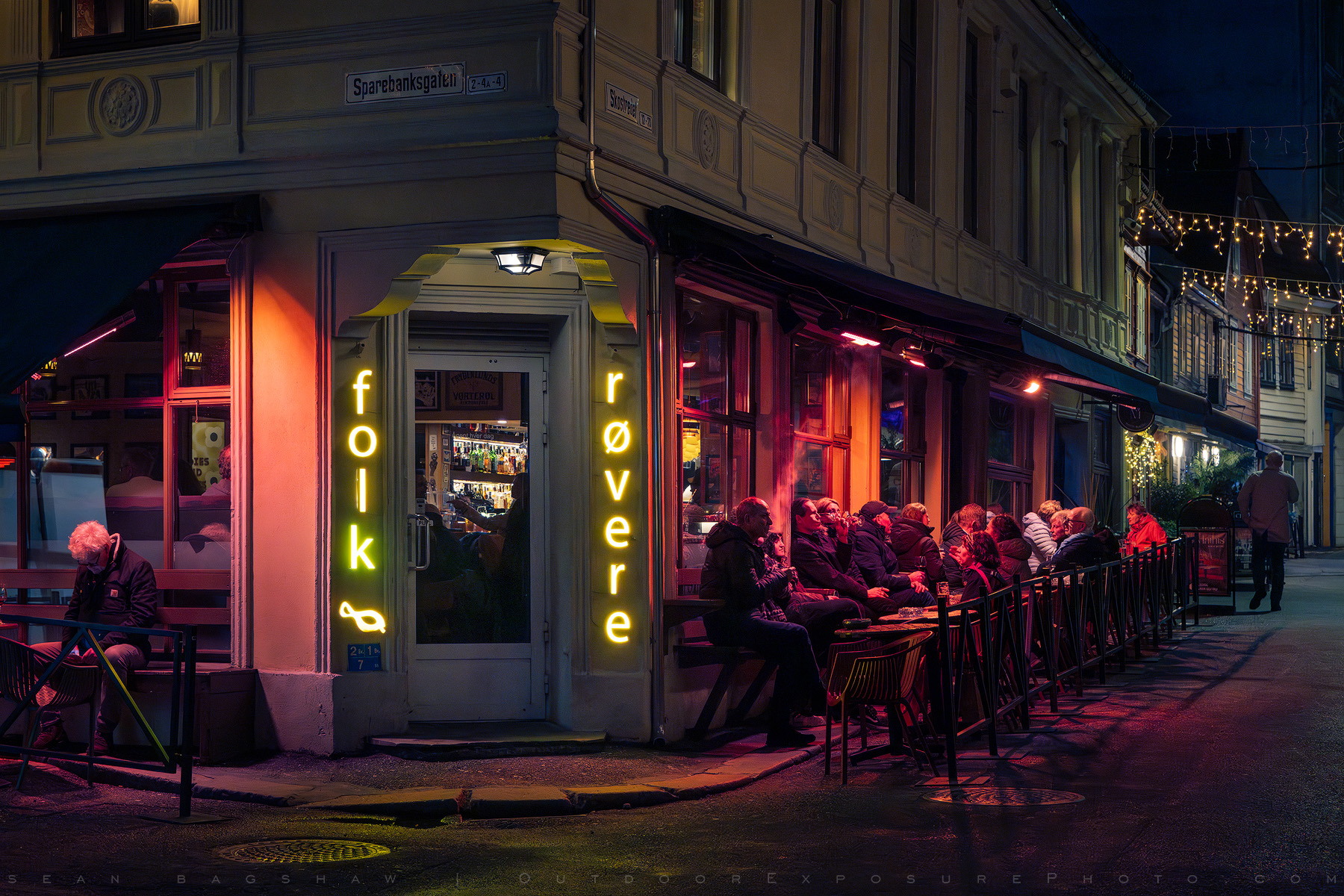
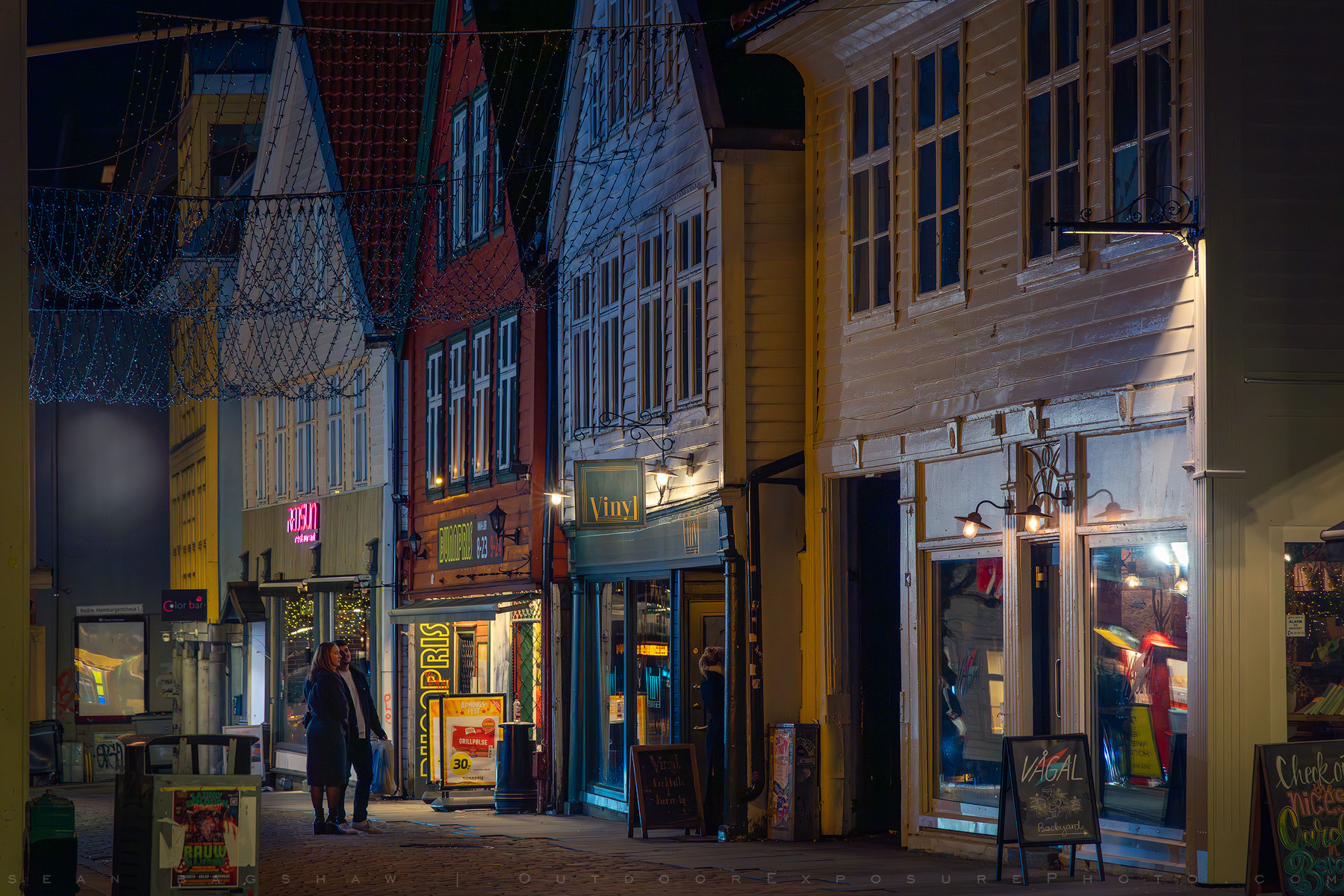
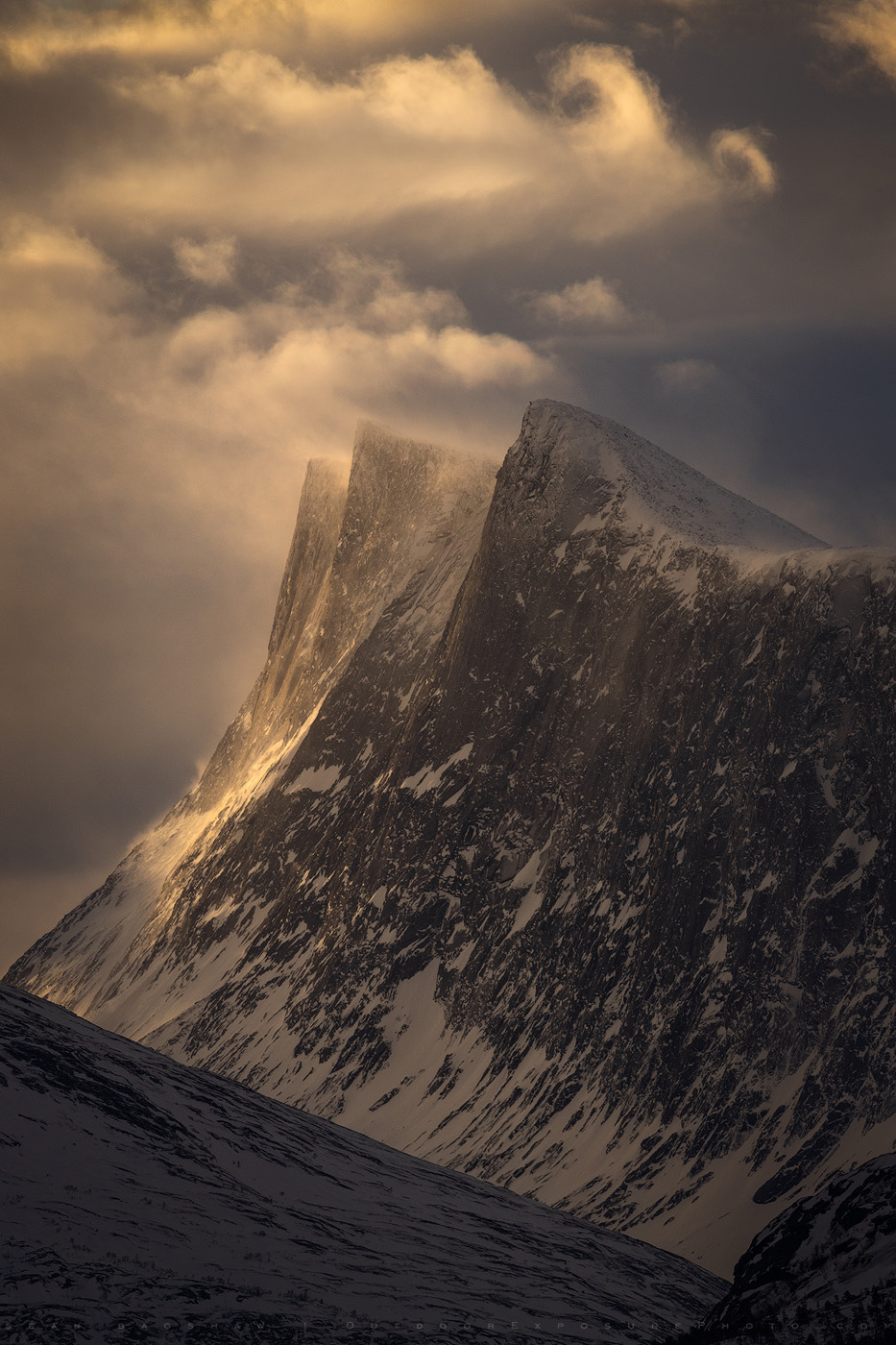
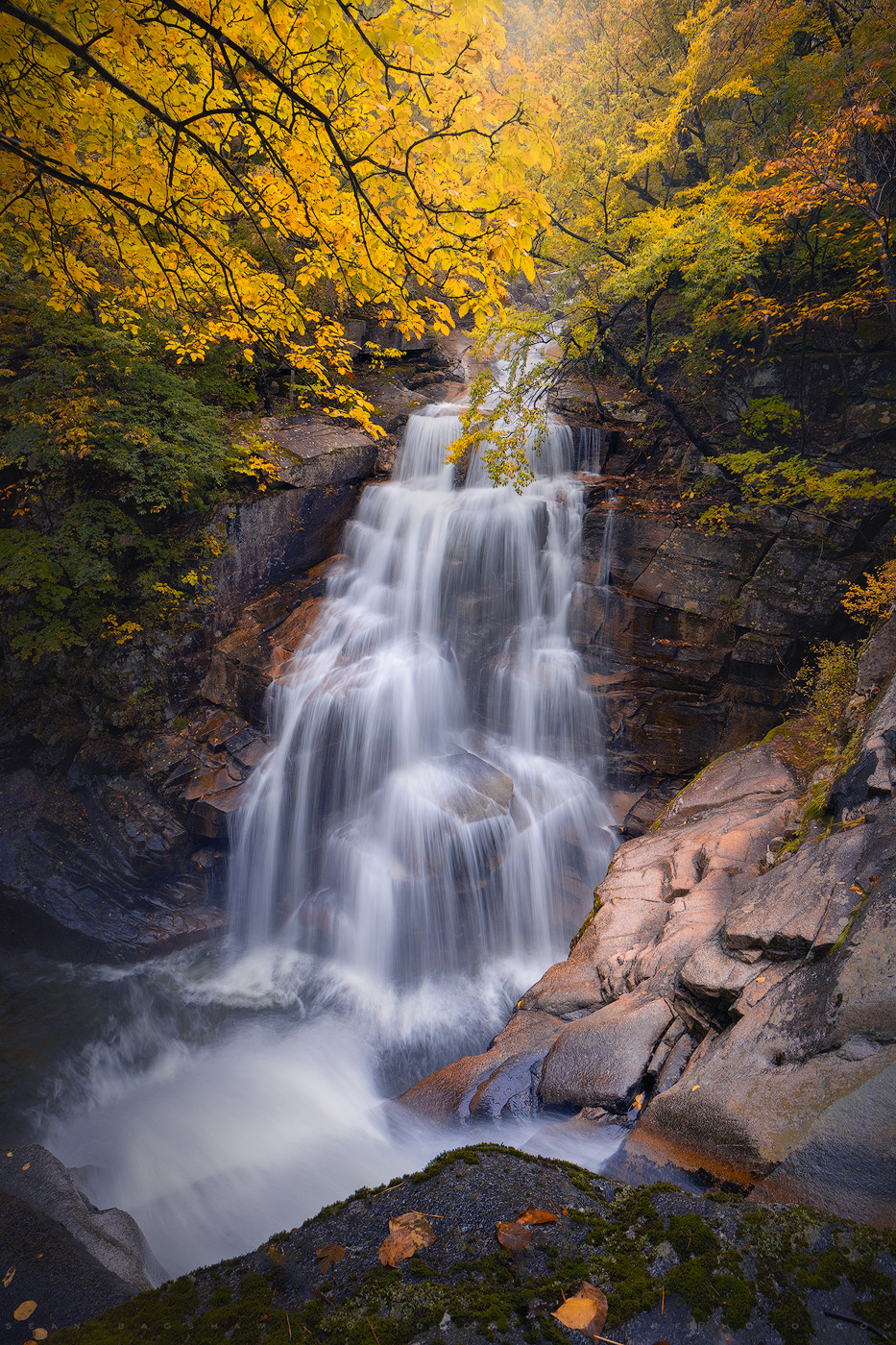
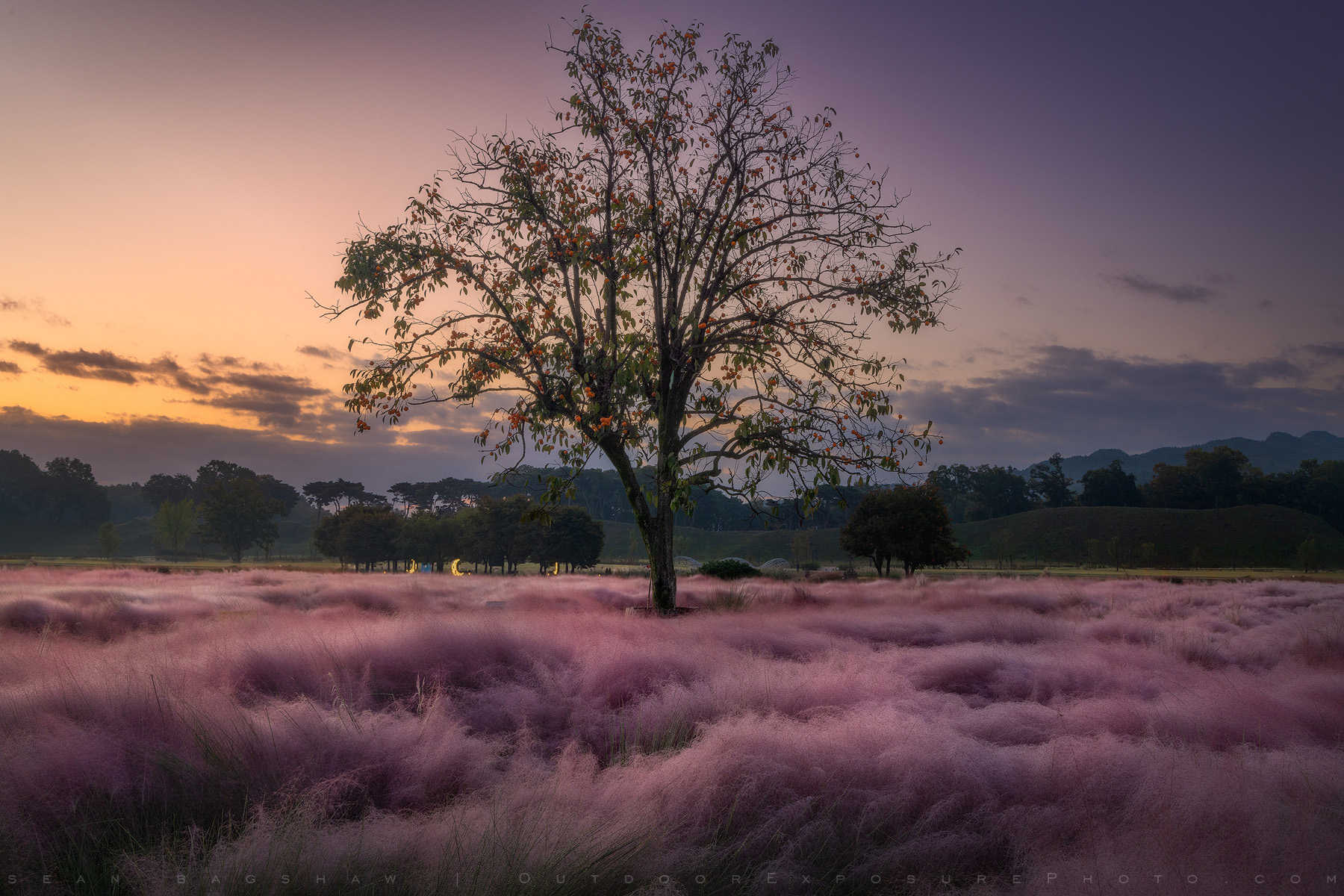
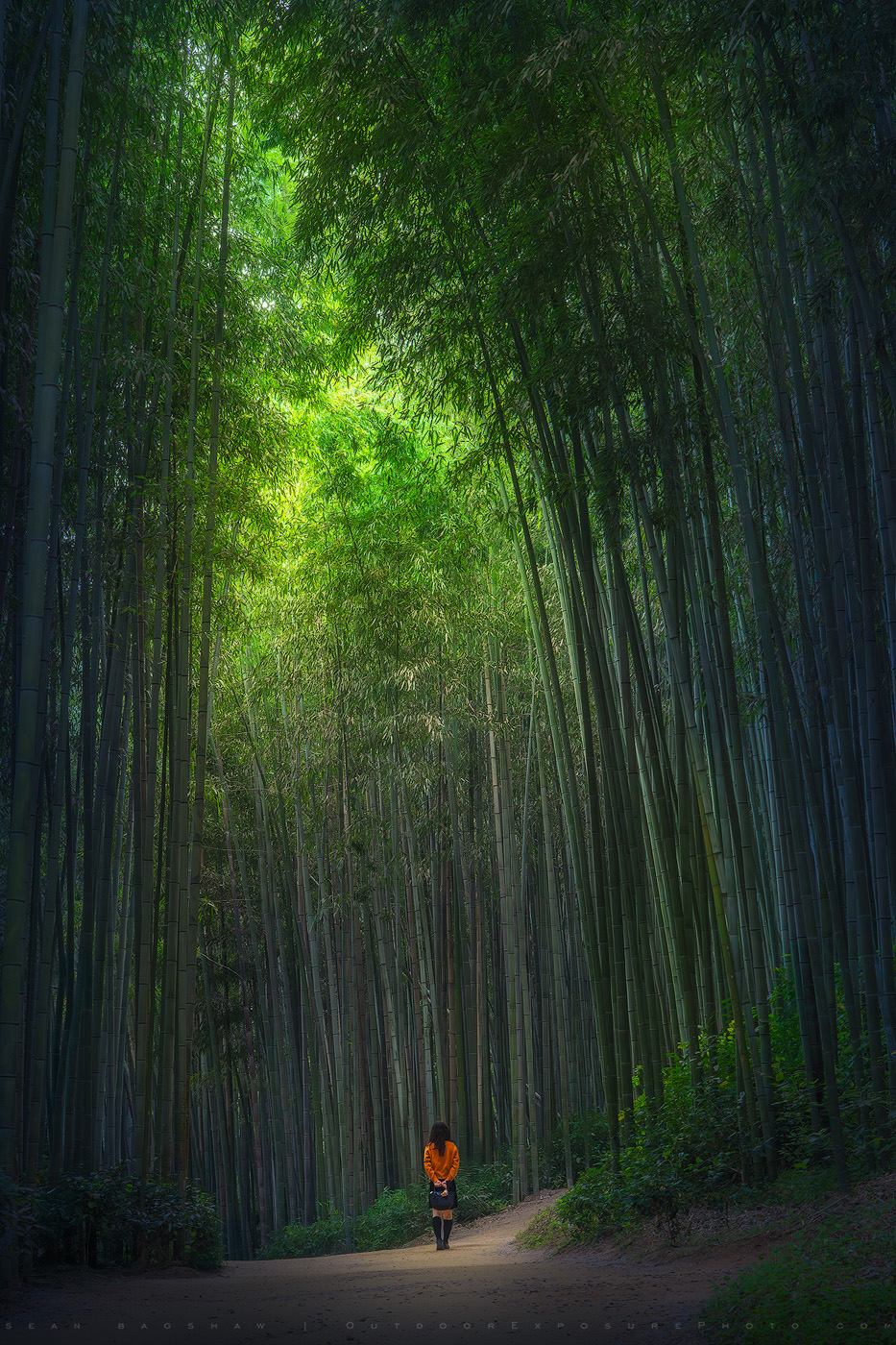
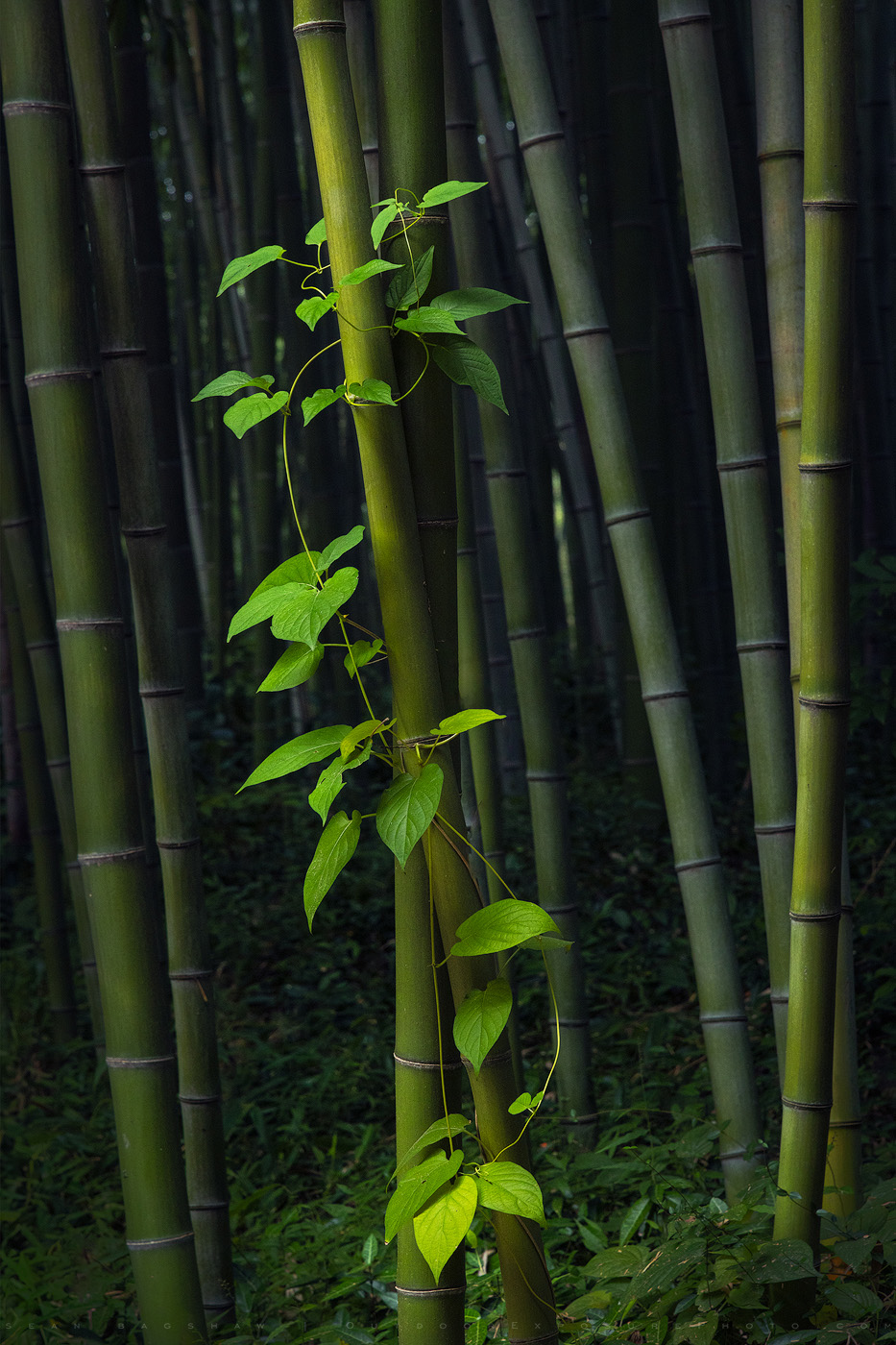
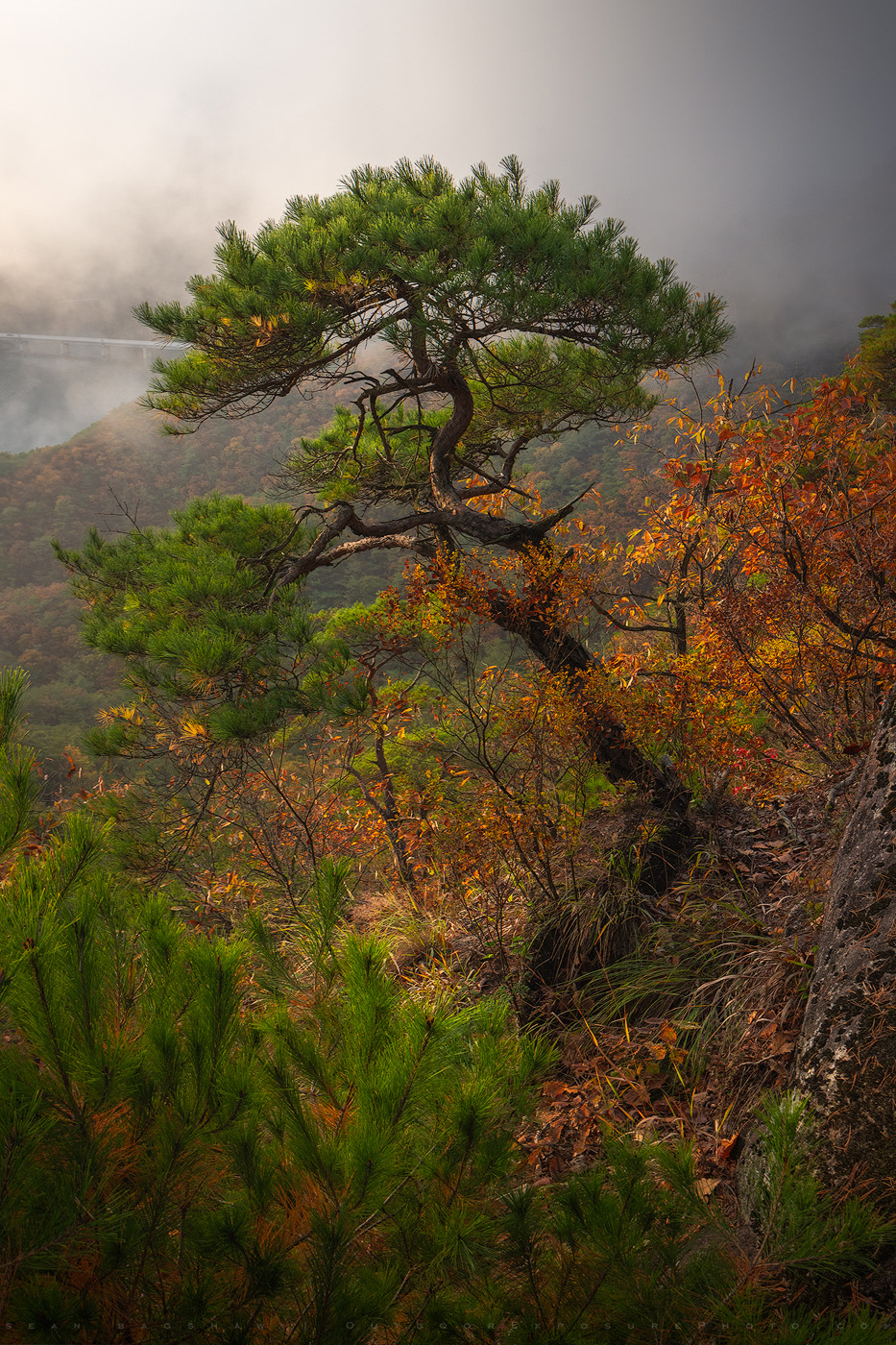
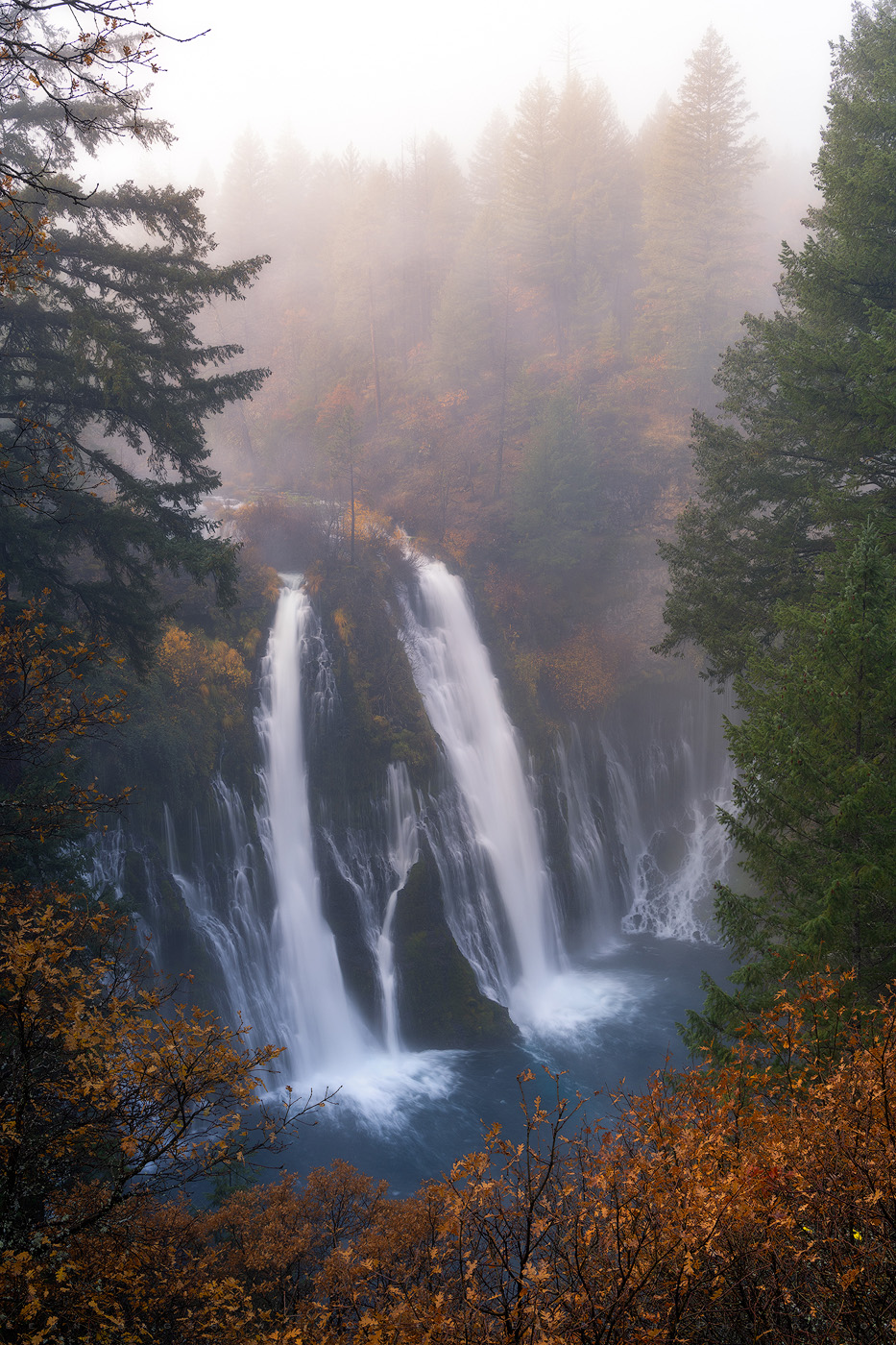
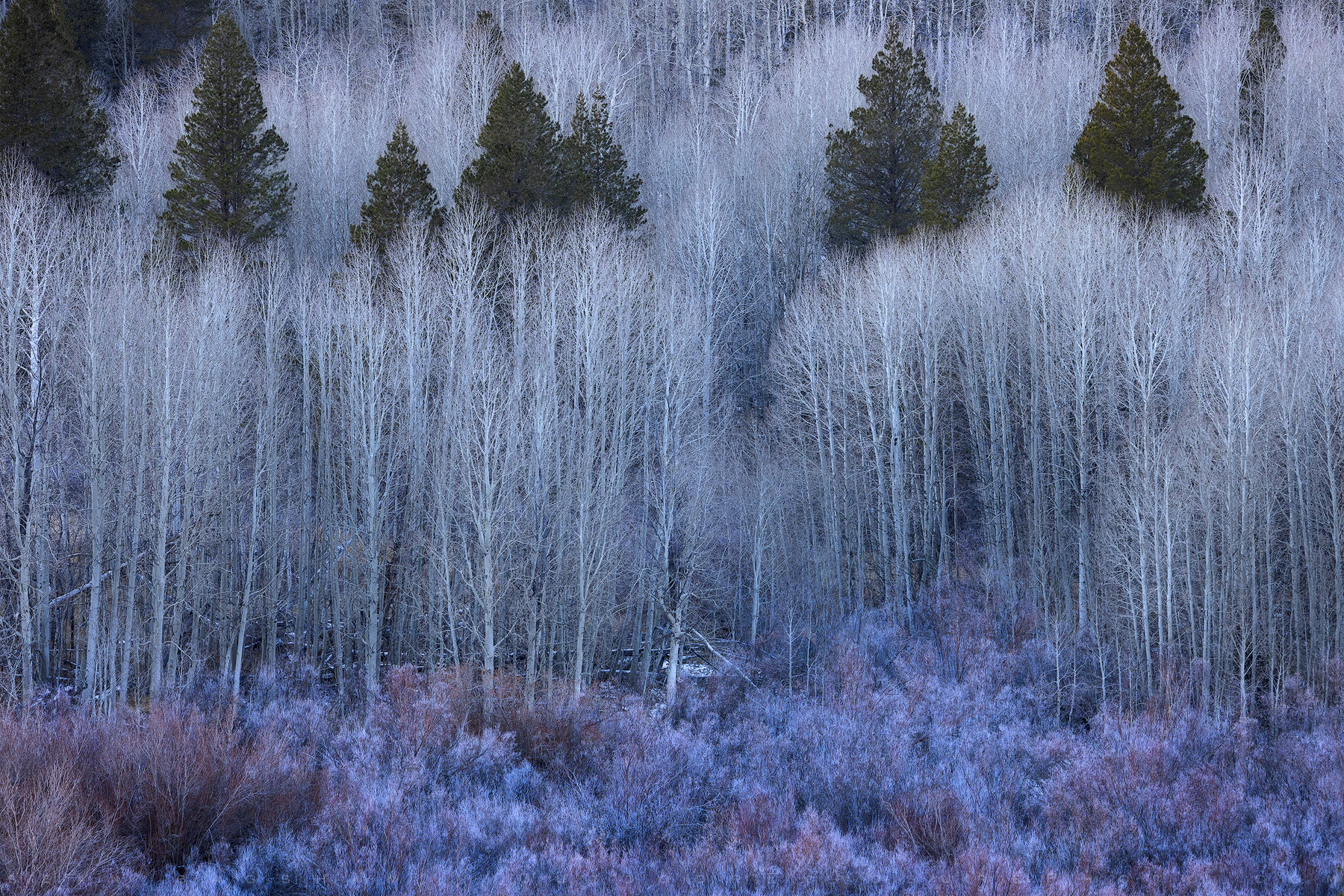
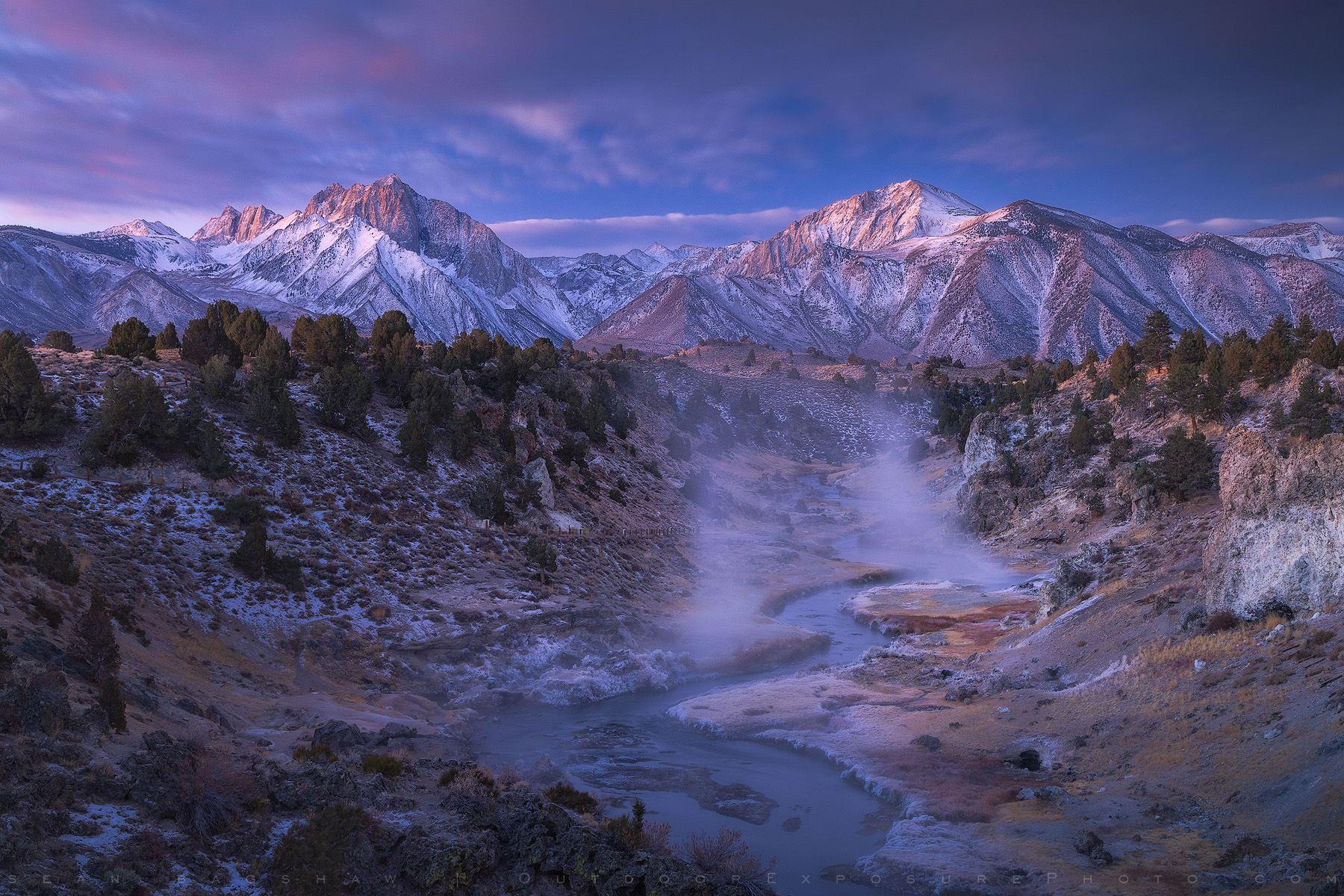
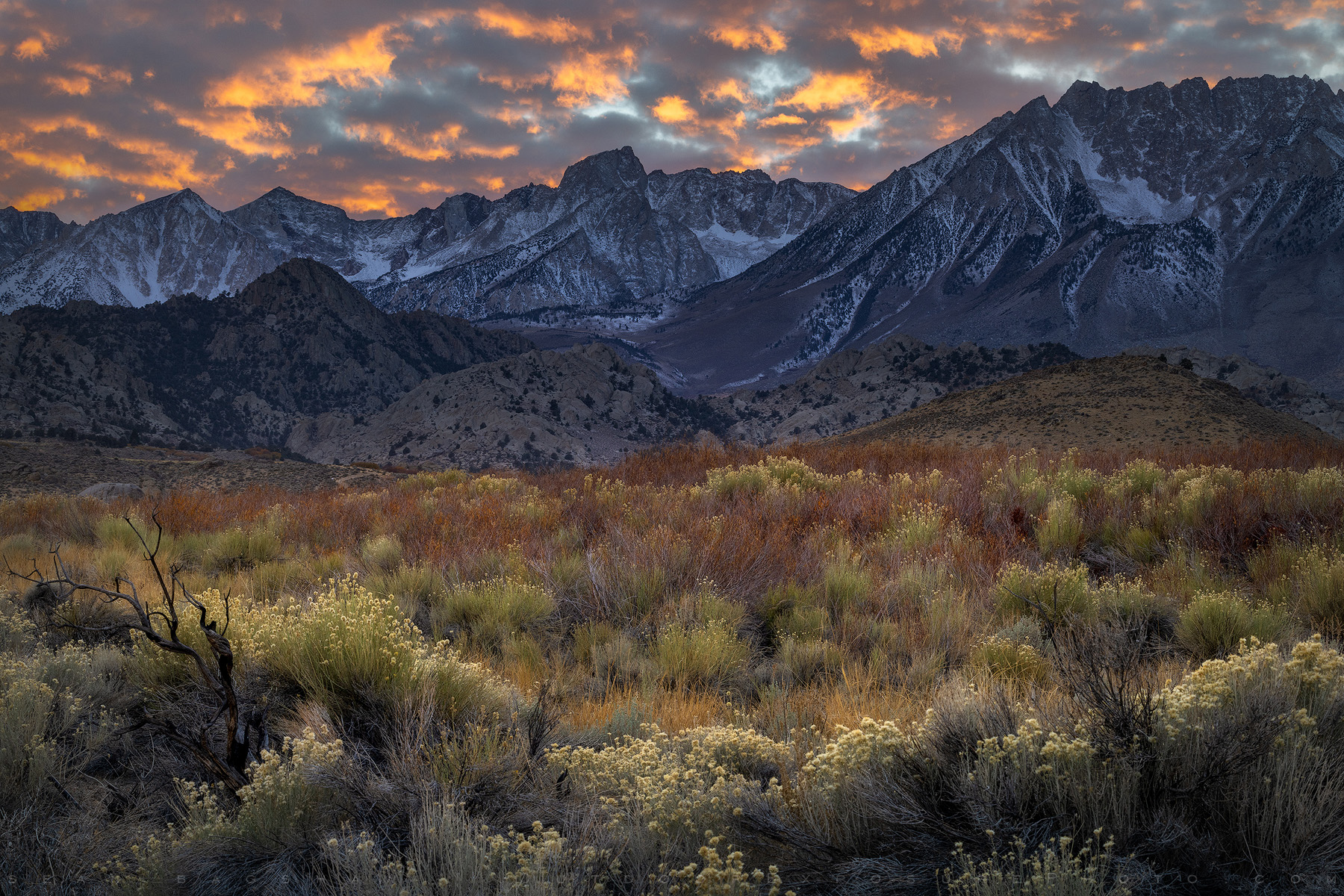
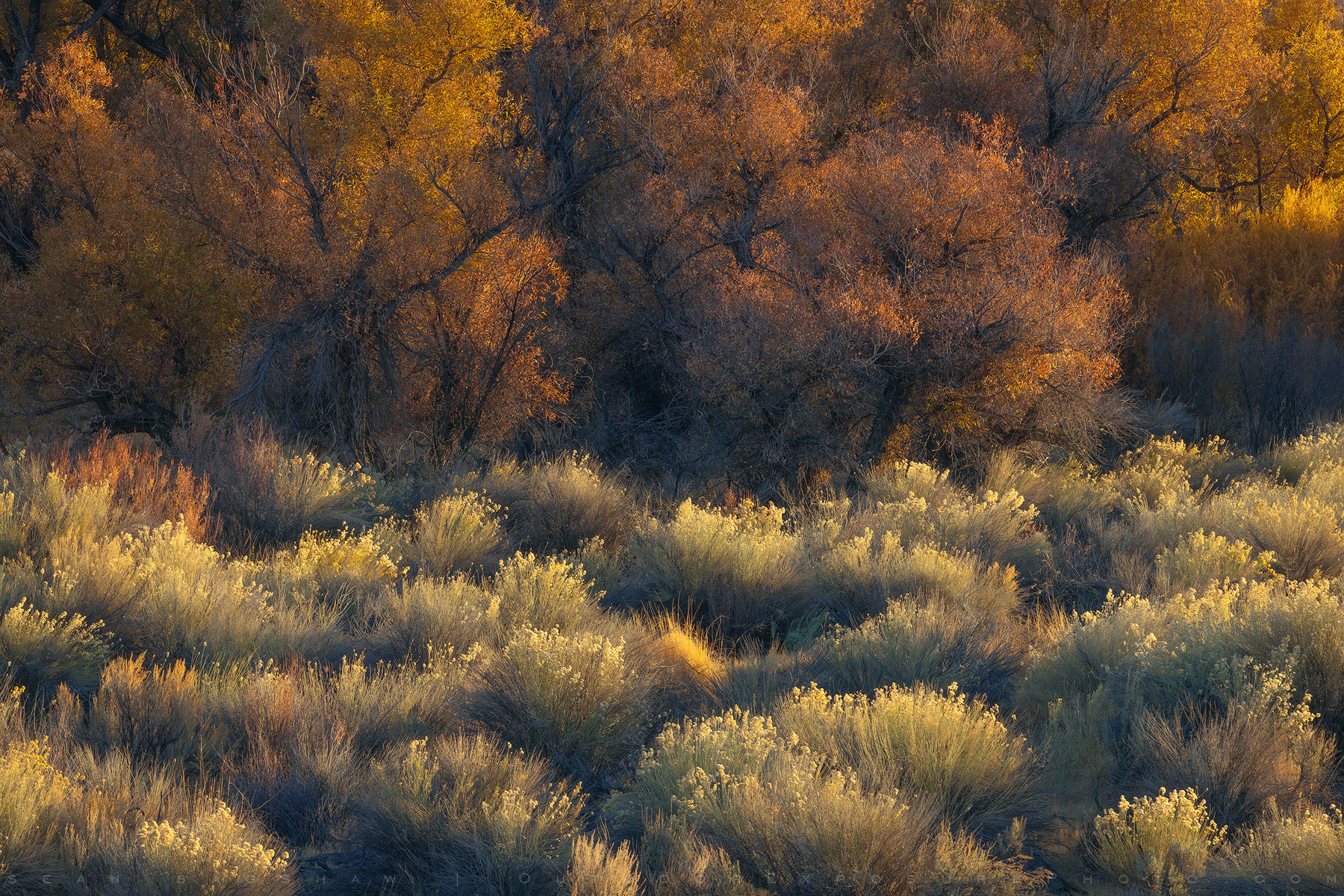
These are my favorite photos from 2024 in chronological order. It’s been another rewarding year, photographically speaking, and my creative efforts were focused on six dedicated photography trips: Japan, Norway, the Oregon coast, the Redwoods, Korea, and the Eastern Sierra. I hope you enjoy this selection of my favorite photos from 2024—images that represent some of the most meaningful moments of my photographic journey this year.

Filed Under: Best Of The Year, Featured Photos

Photo Cascadia’s 2024 Year In Photography

December 18, 2024 by Sean Bagshaw Leave a Comment

For 15 years, I have been with the Photo Cascadia team, exploring wild landscapes, capturing natural beauty, and sharing our passion for photography. For 13 of those years, we’ve created an annual tradition: a Year in Photography video highlighting the images, adventures, and team moments that made the year special. What began as a way to share our experiences with others has become something we look forward to just as much for ourselves. We love reviewing the past year’s highlights and revisiting the videos from years gone by—it’s a wonderful reminder of the places we’ve been and the moments we’ve shared.
As we enter 2025, we’re excited to share our reflections on 2024. Wishing you all a happy and adventurous new year—enjoy the video!

Filed Under: Best Of The Year, Featured Photos, Video

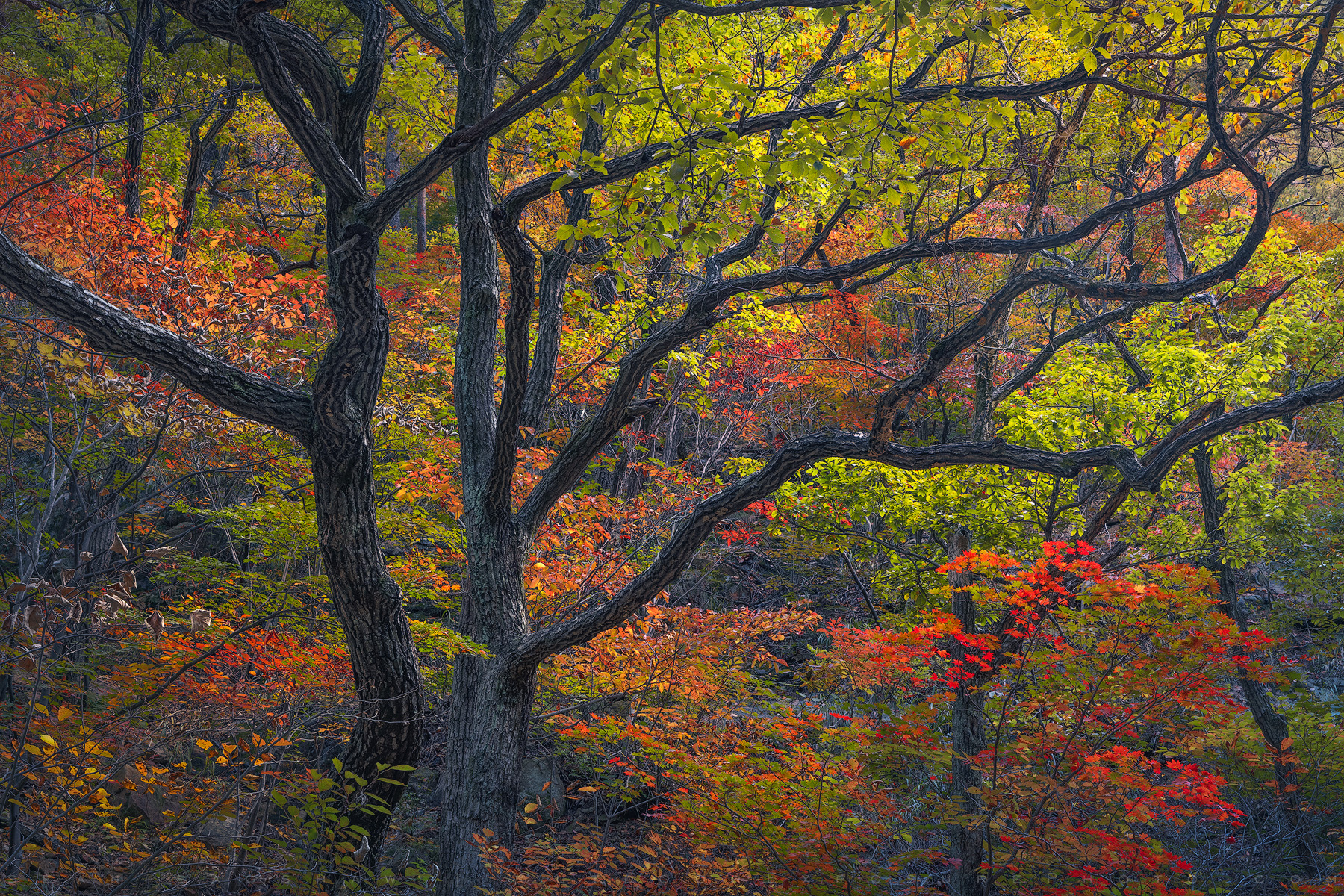
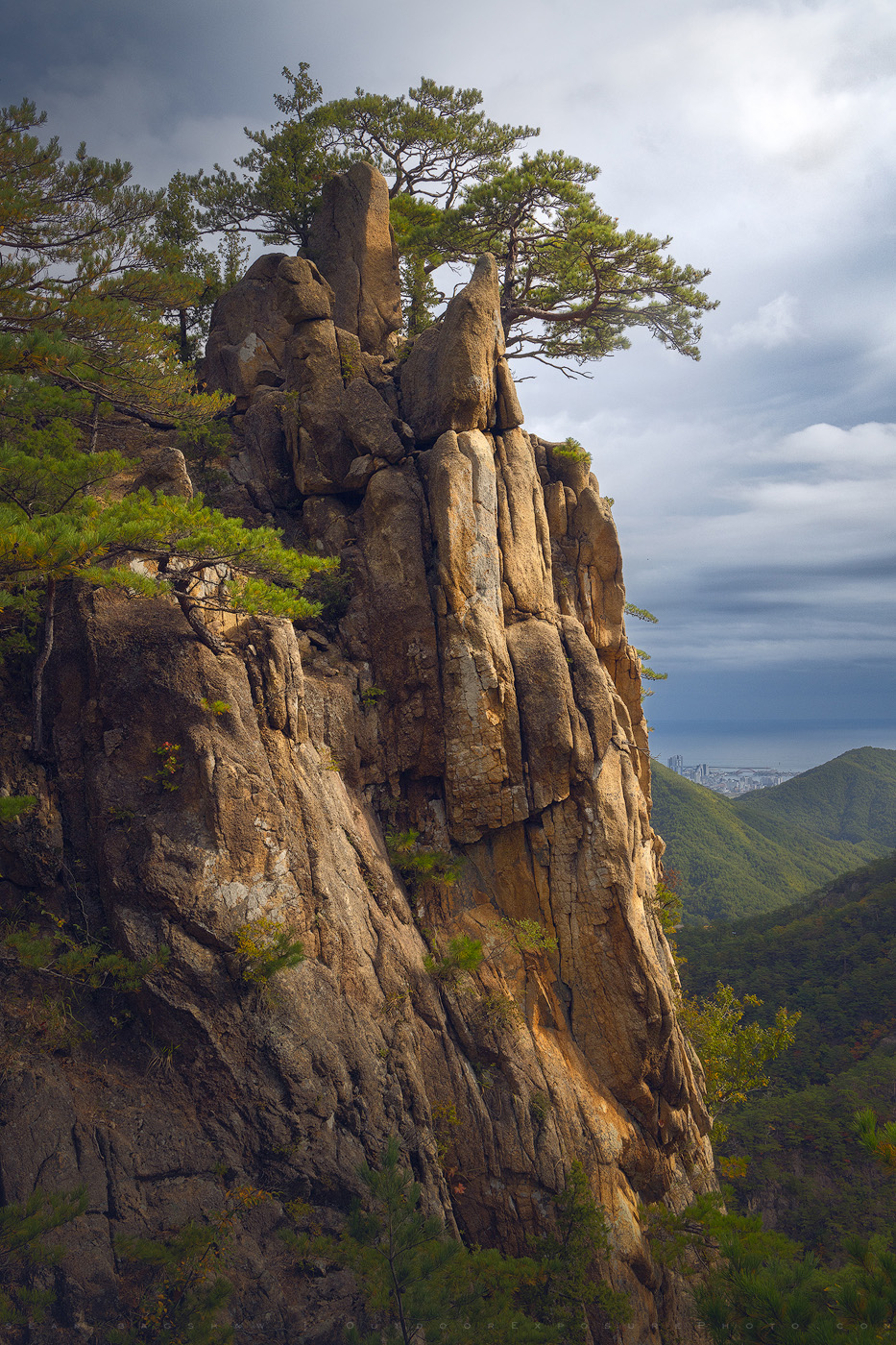
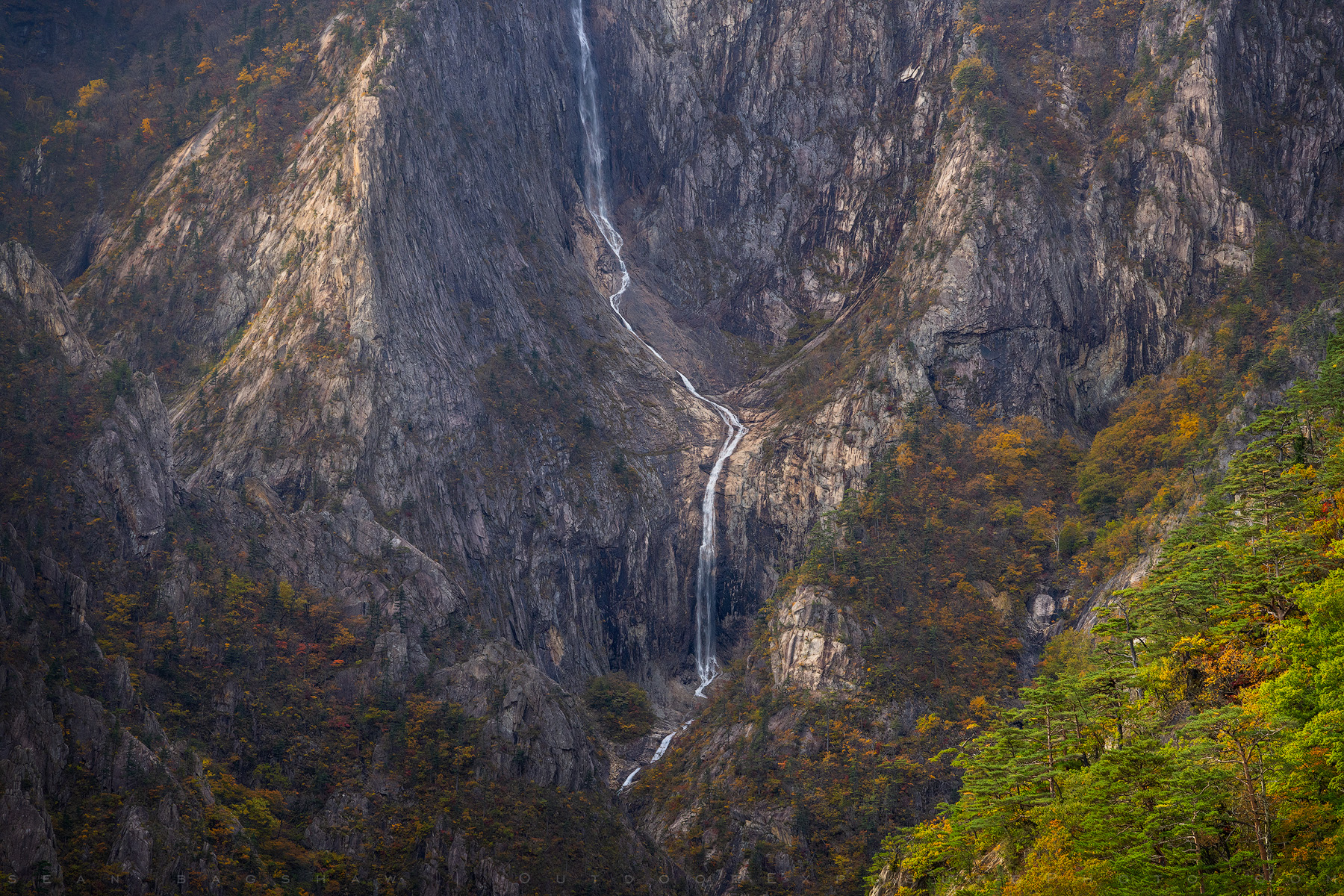
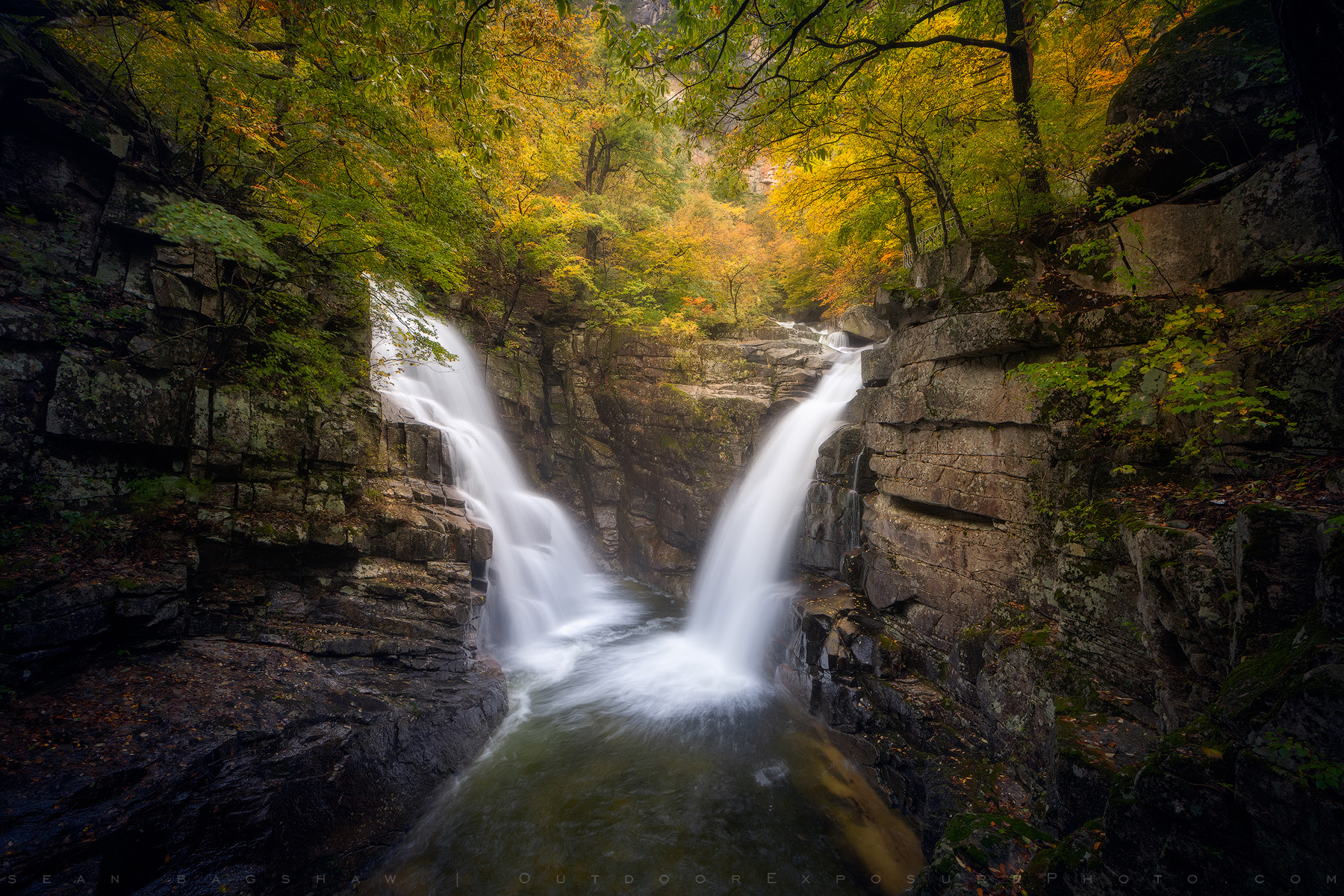
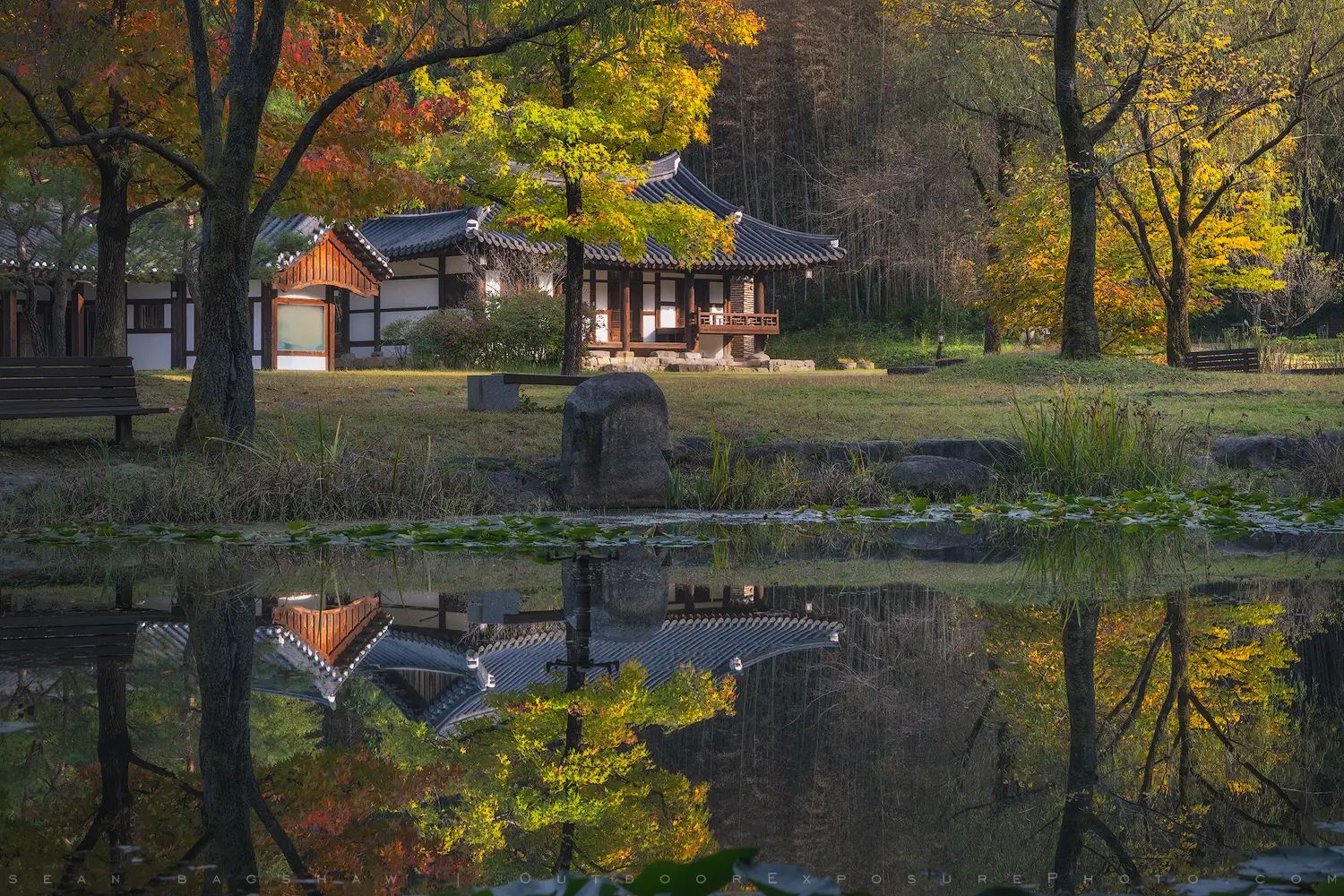
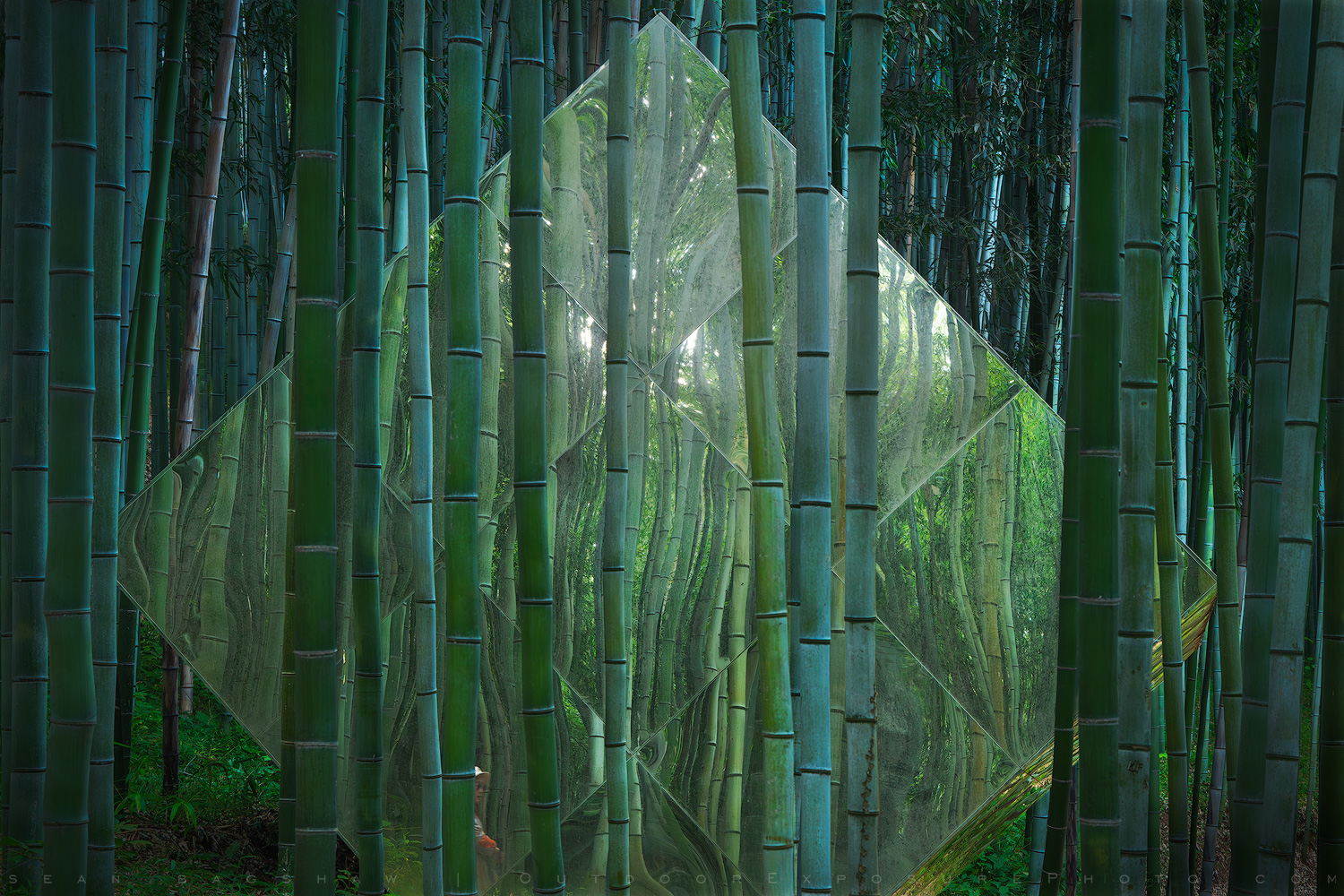
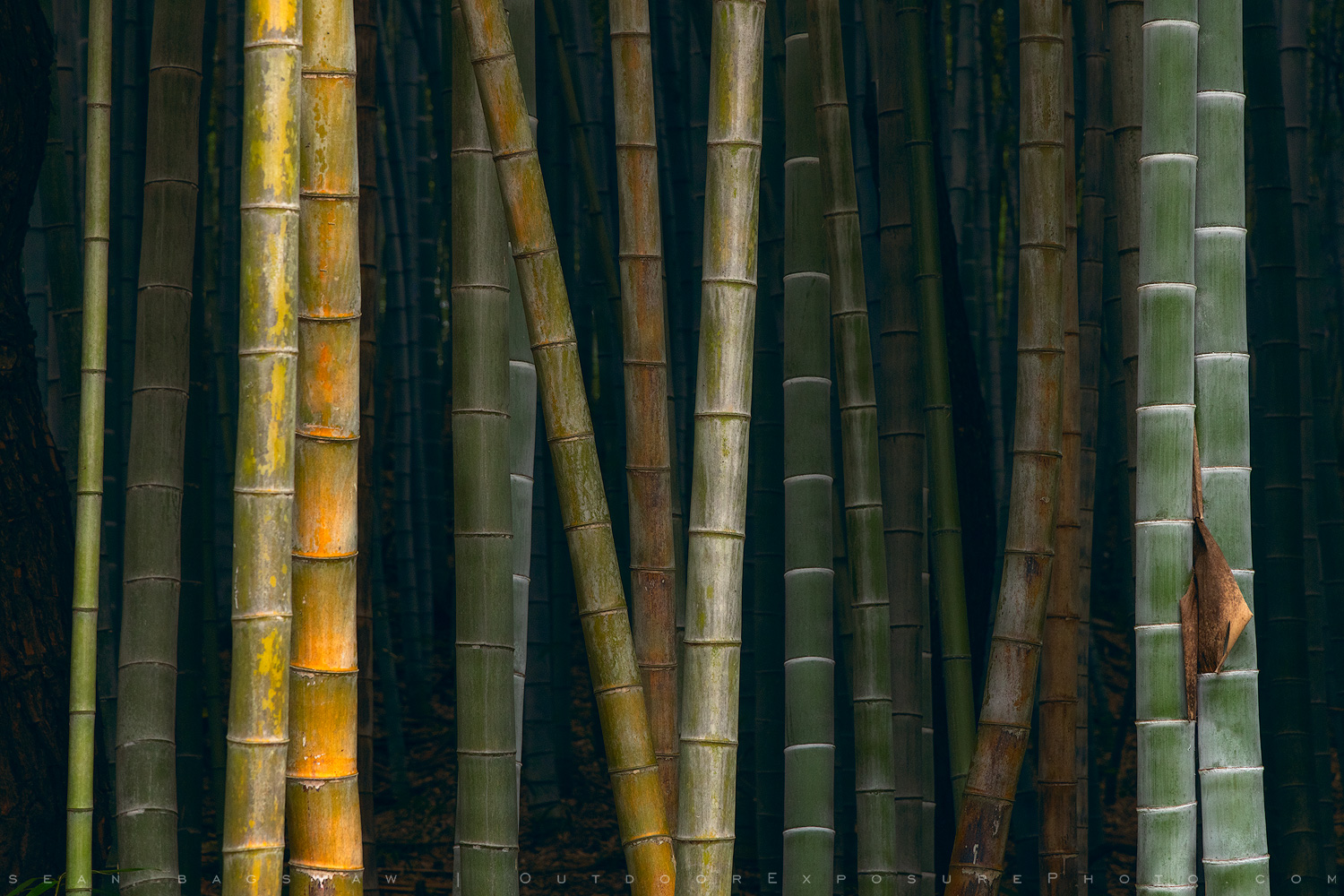
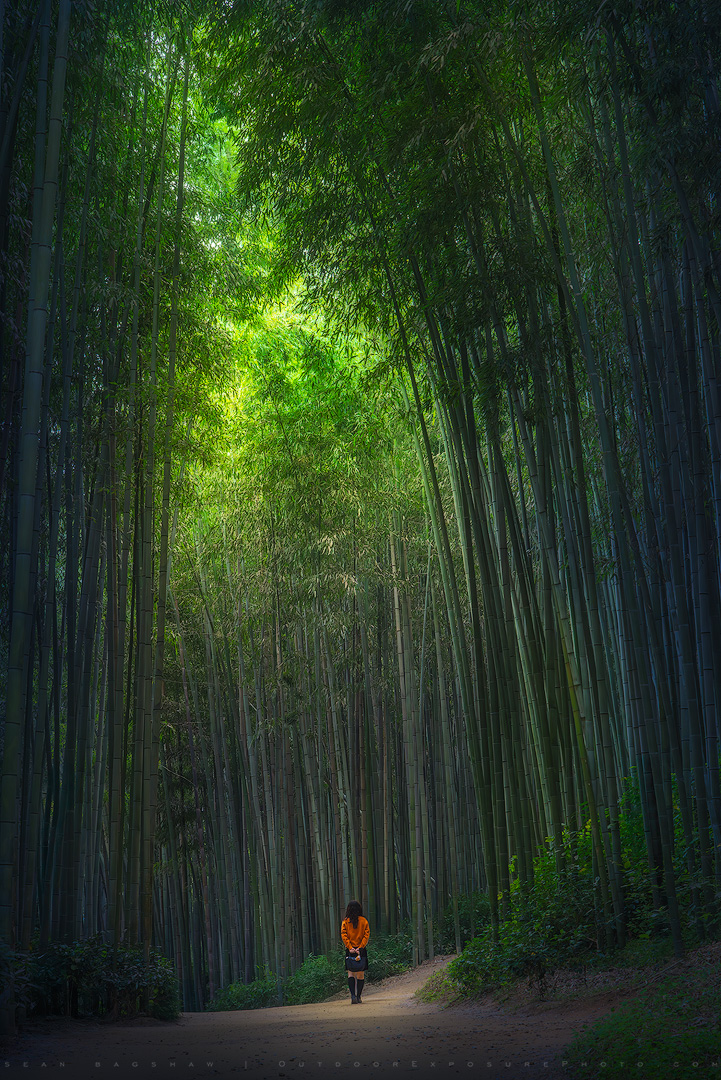
Republic of Korea Photos, October 2024

December 18, 2024 by Sean Bagshaw Leave a Comment

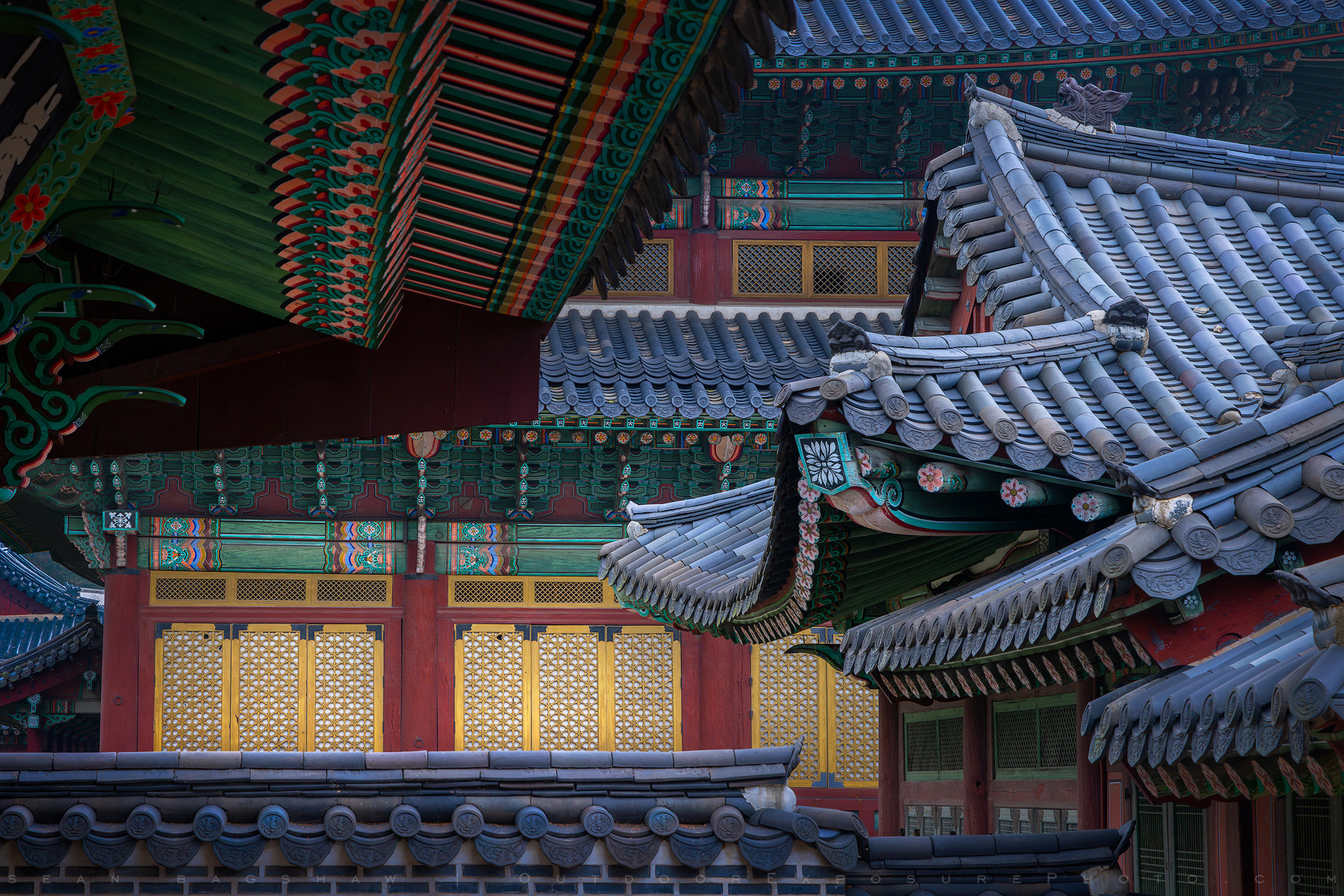
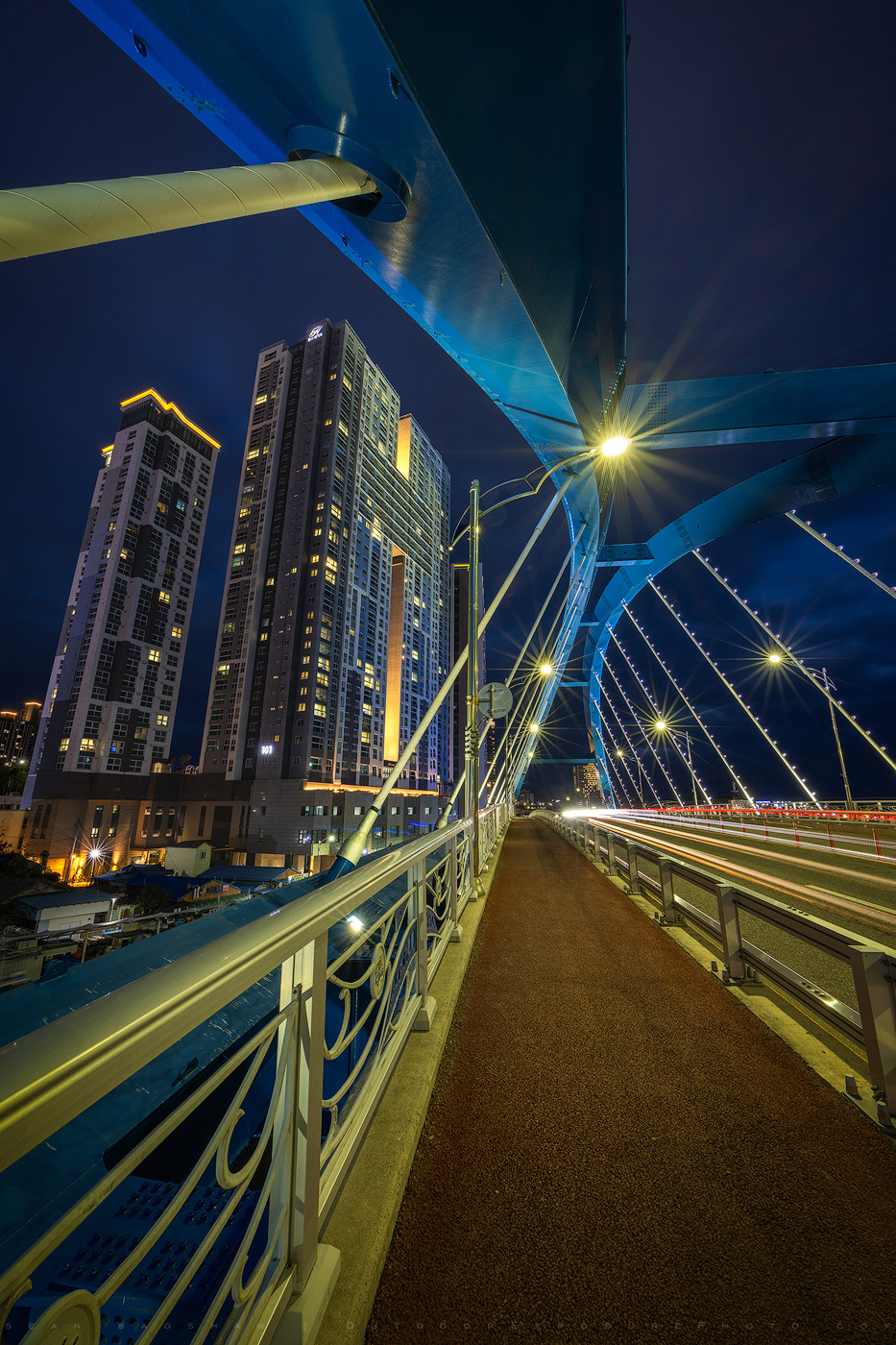
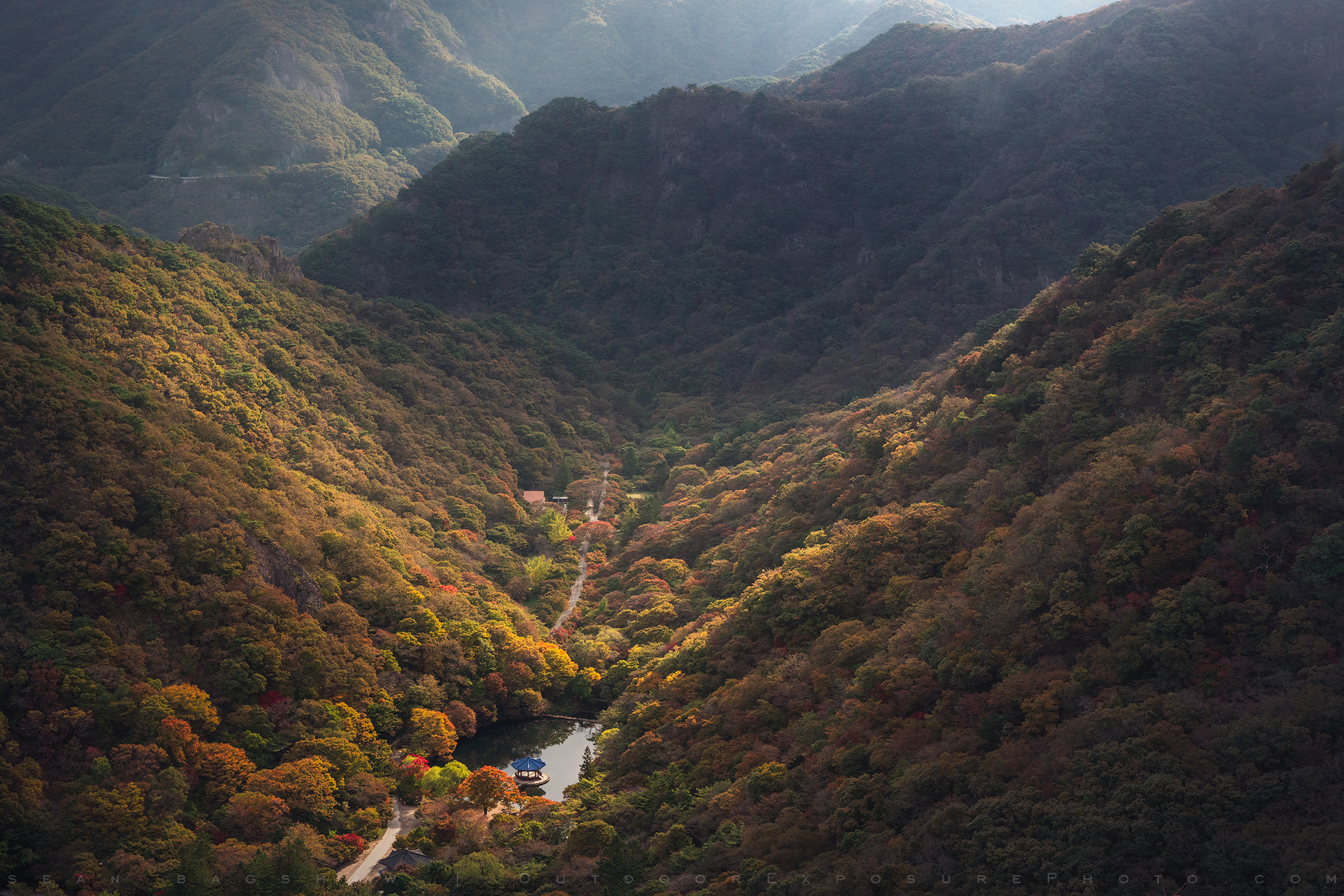
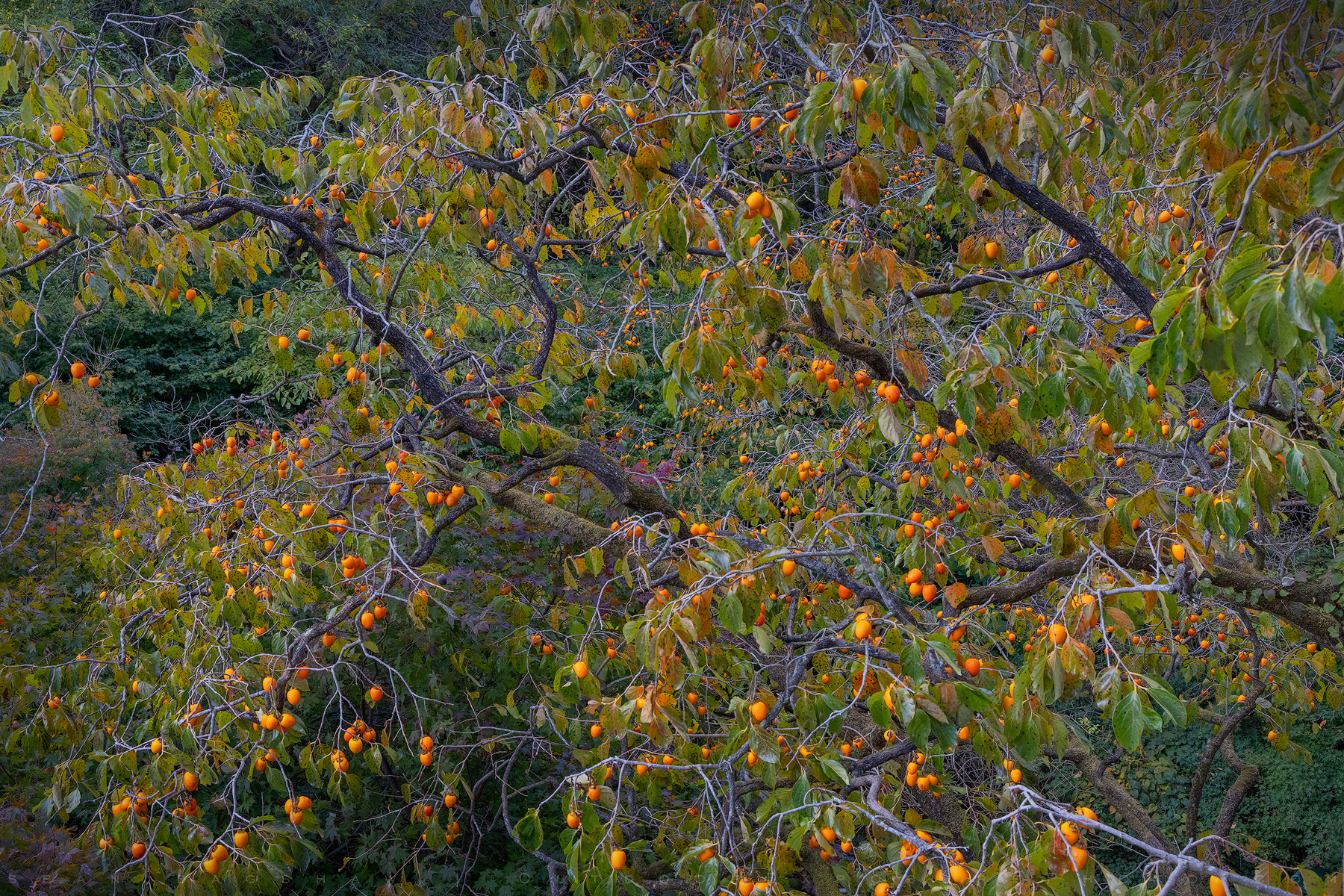
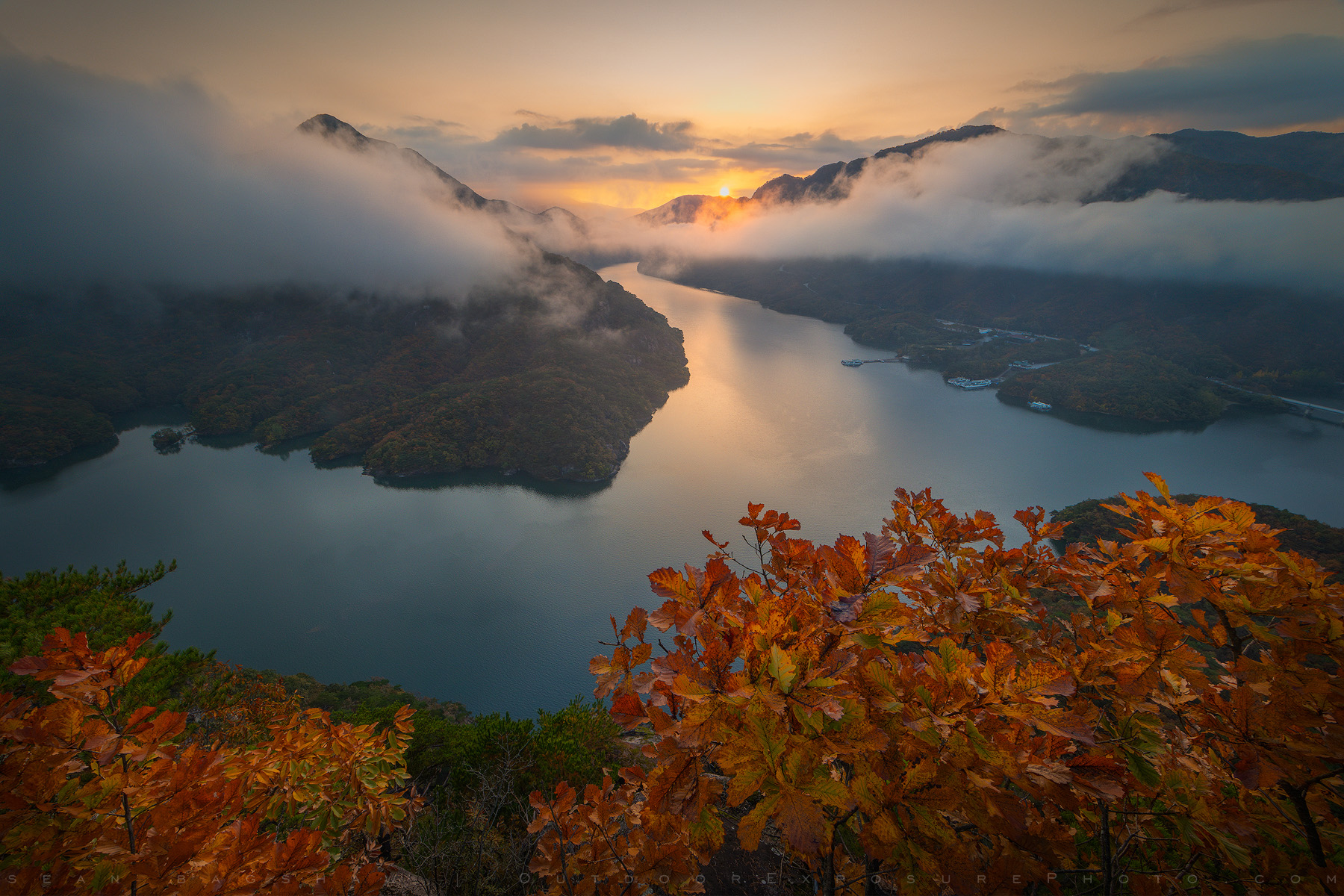
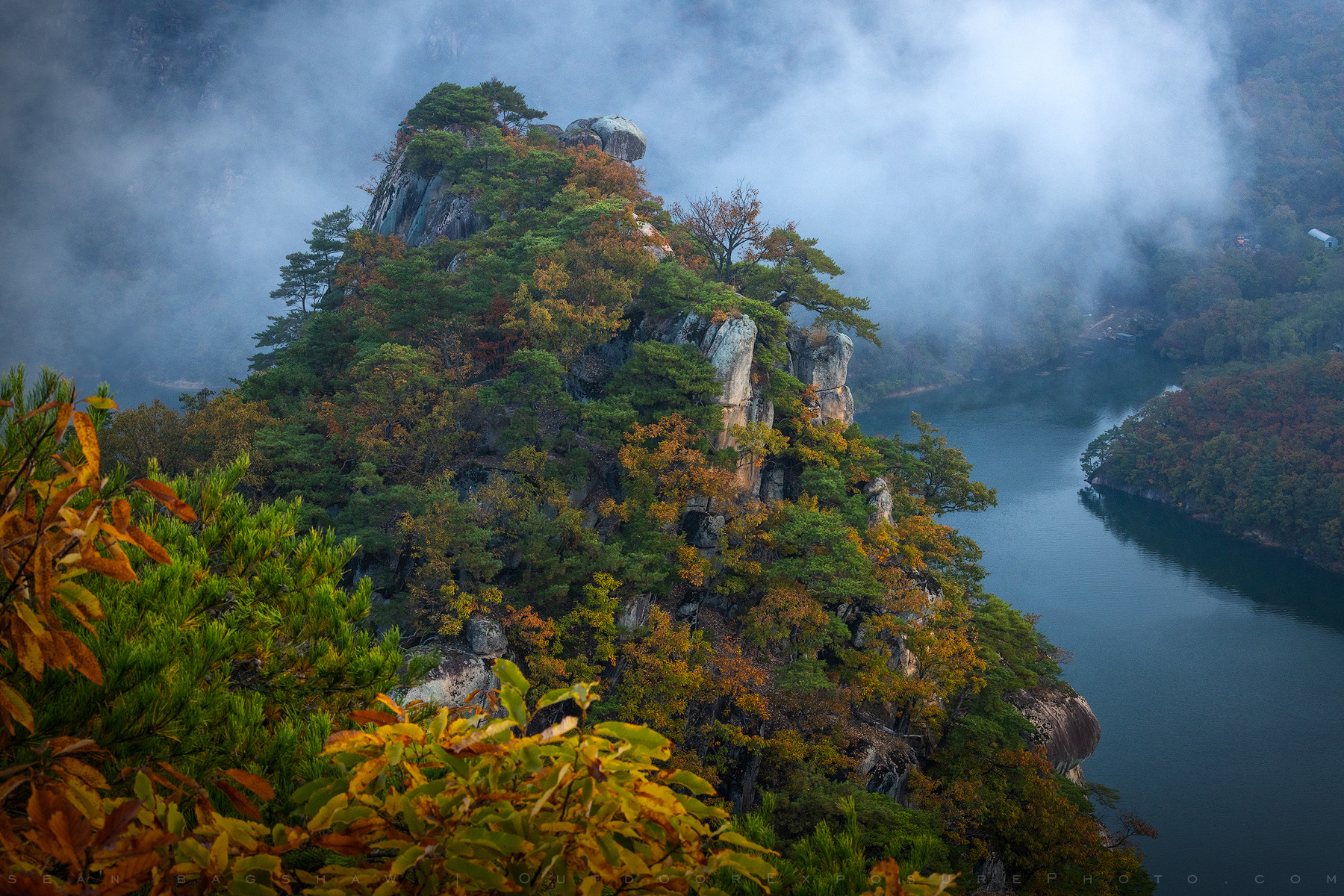
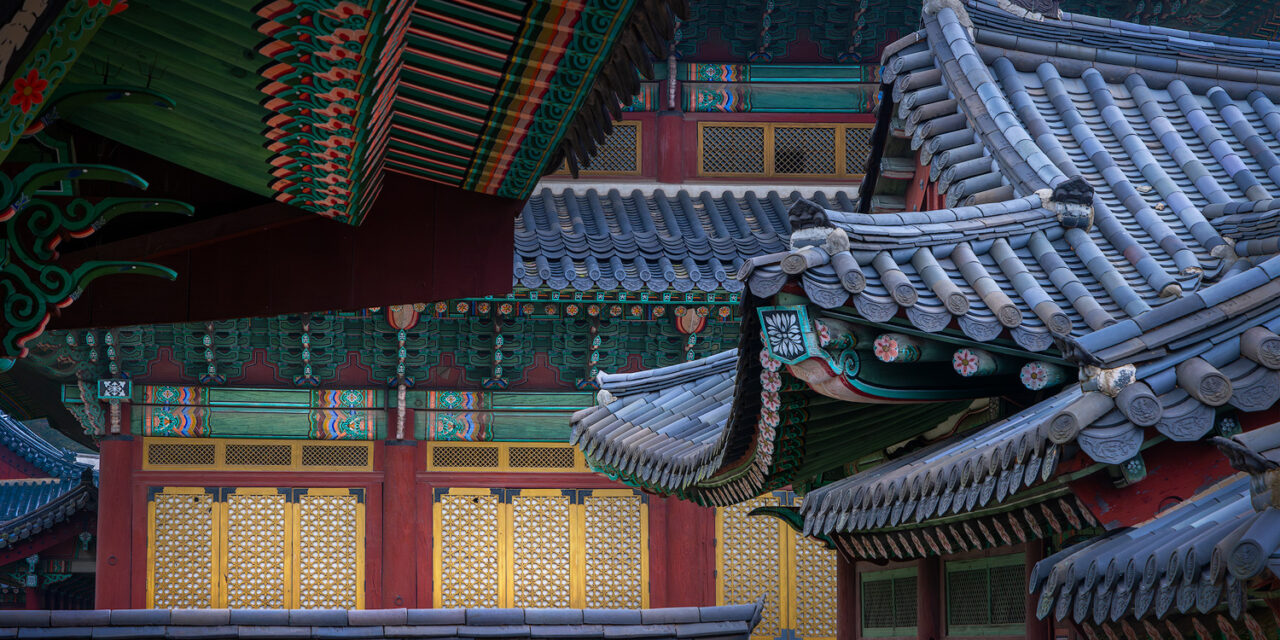
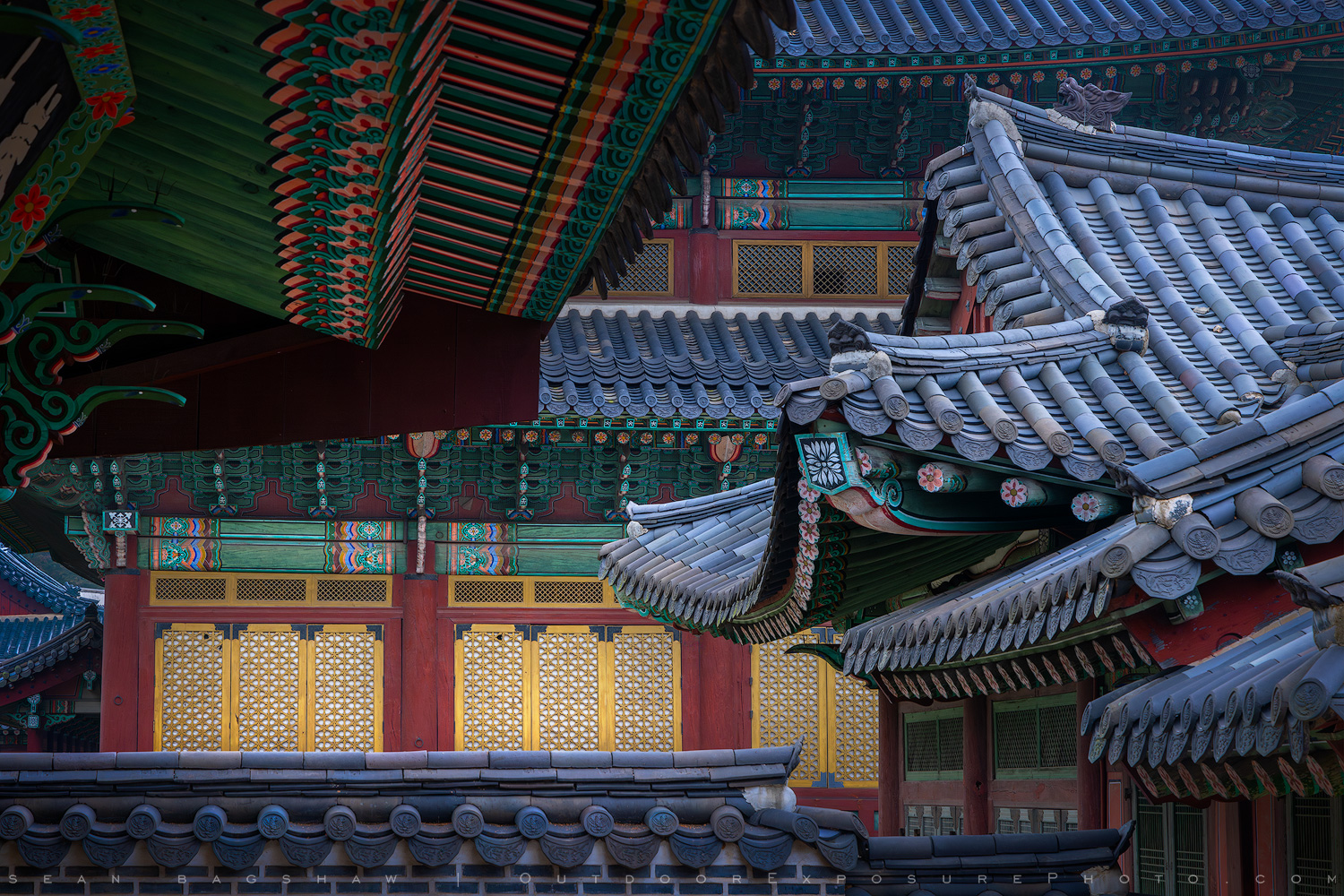
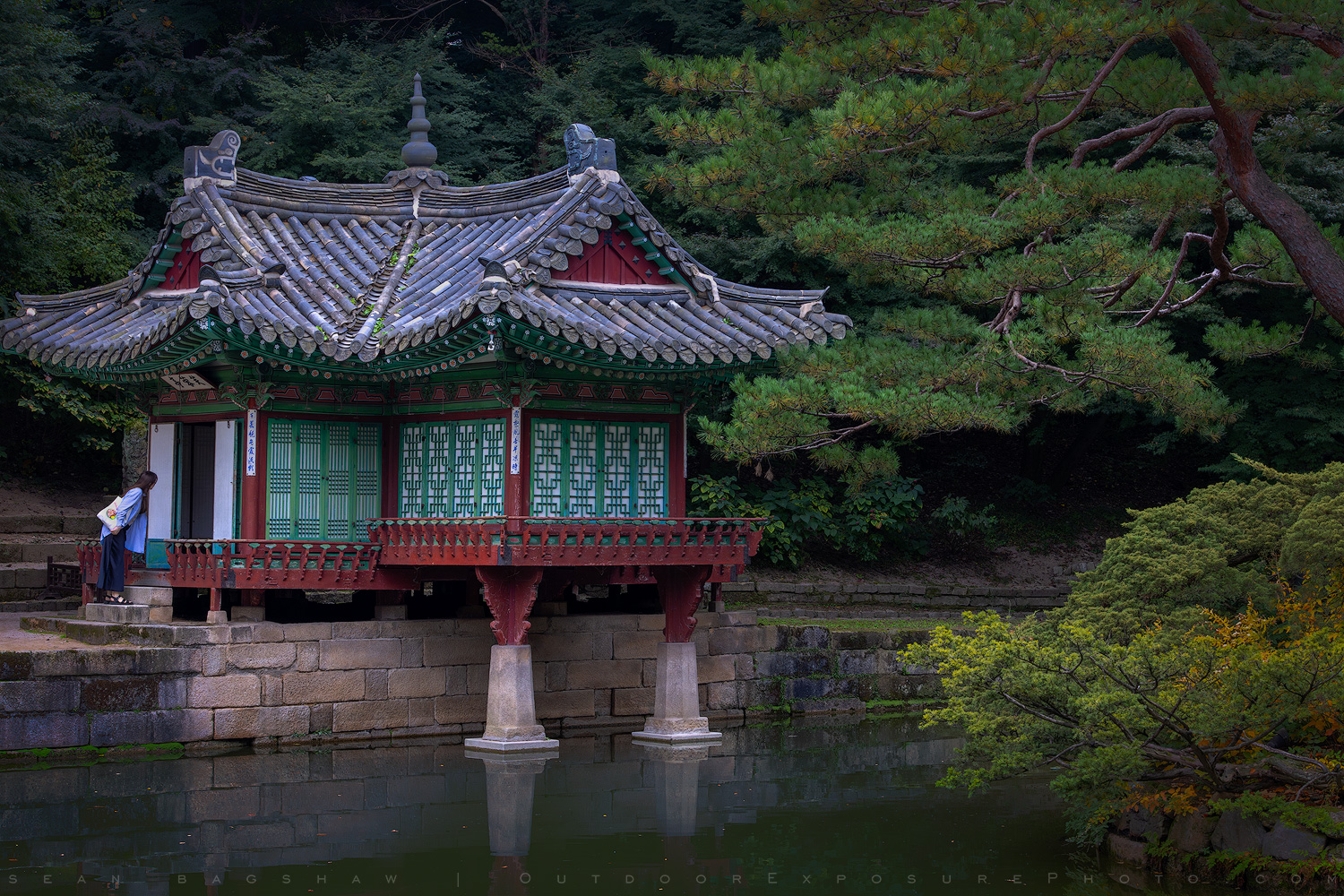
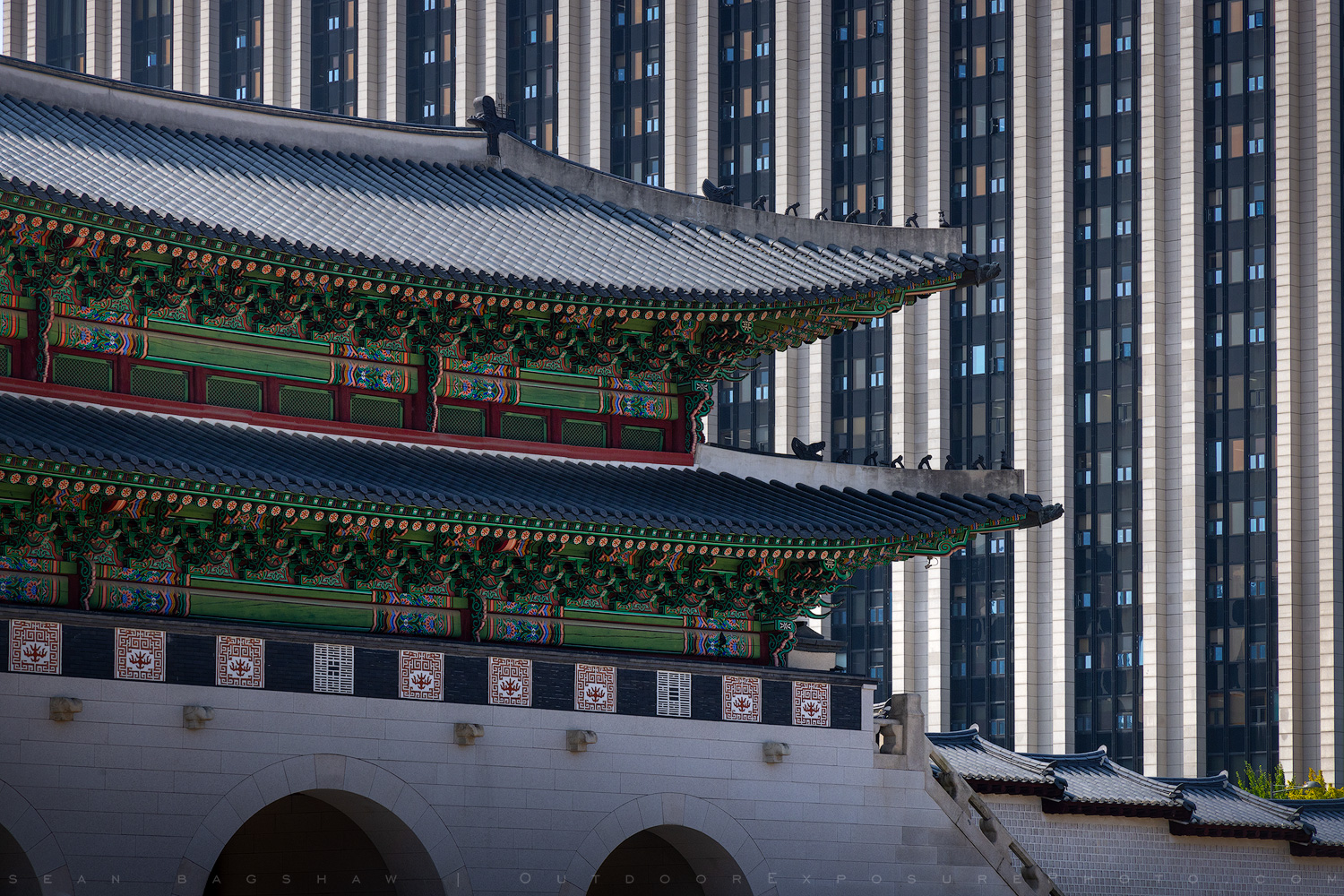
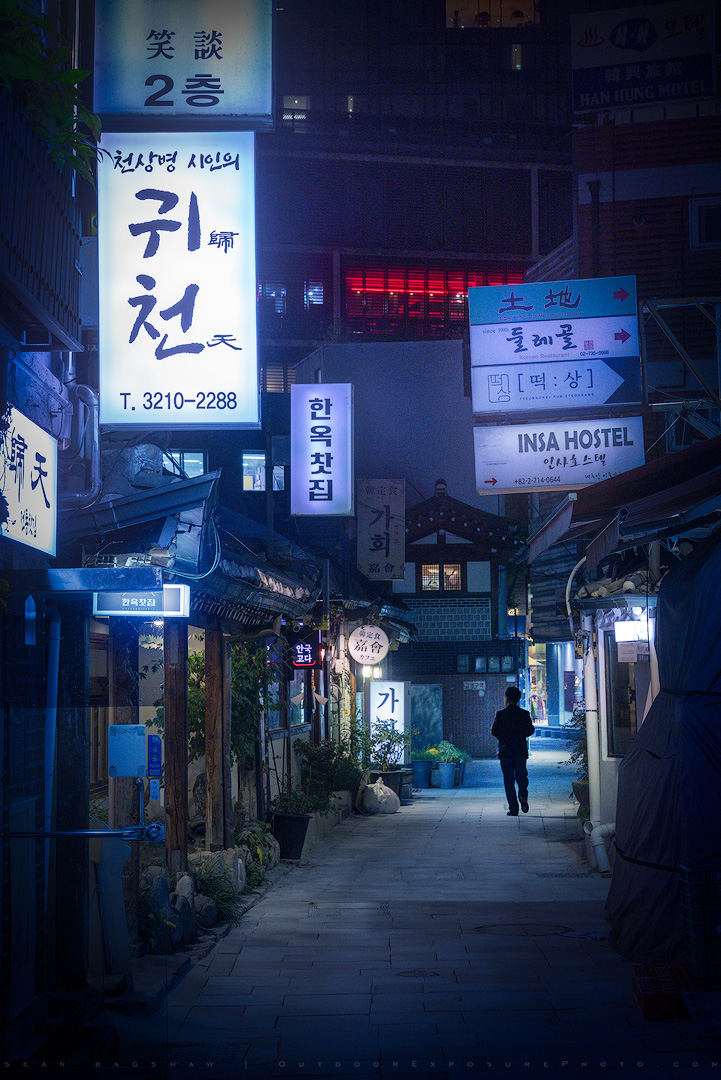
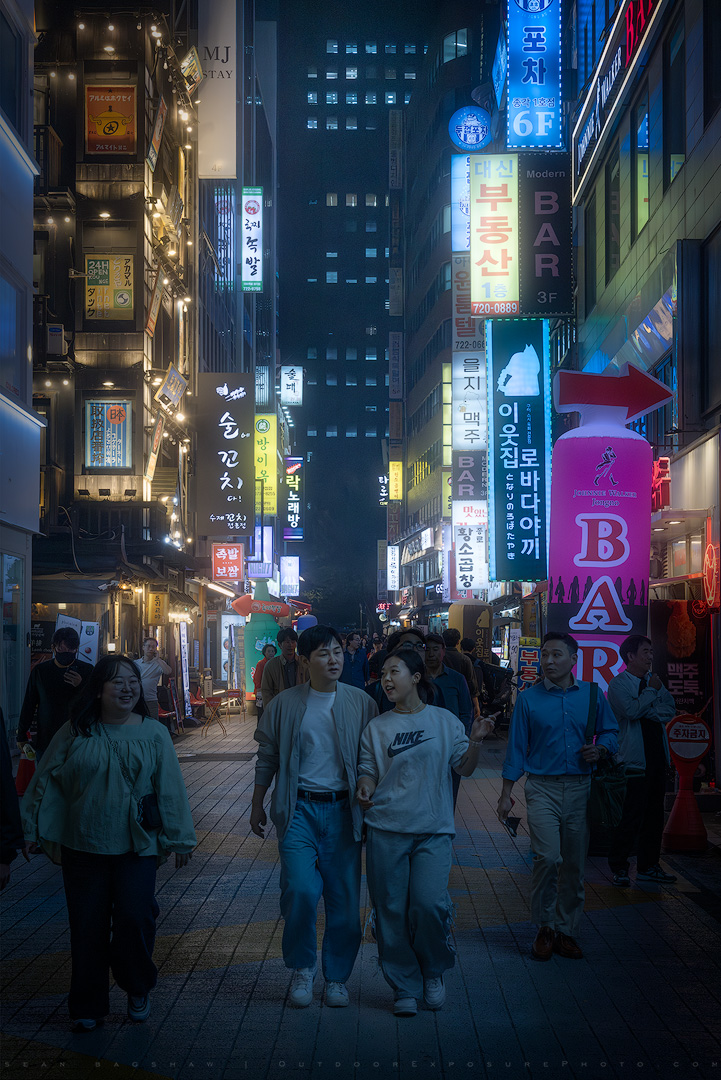
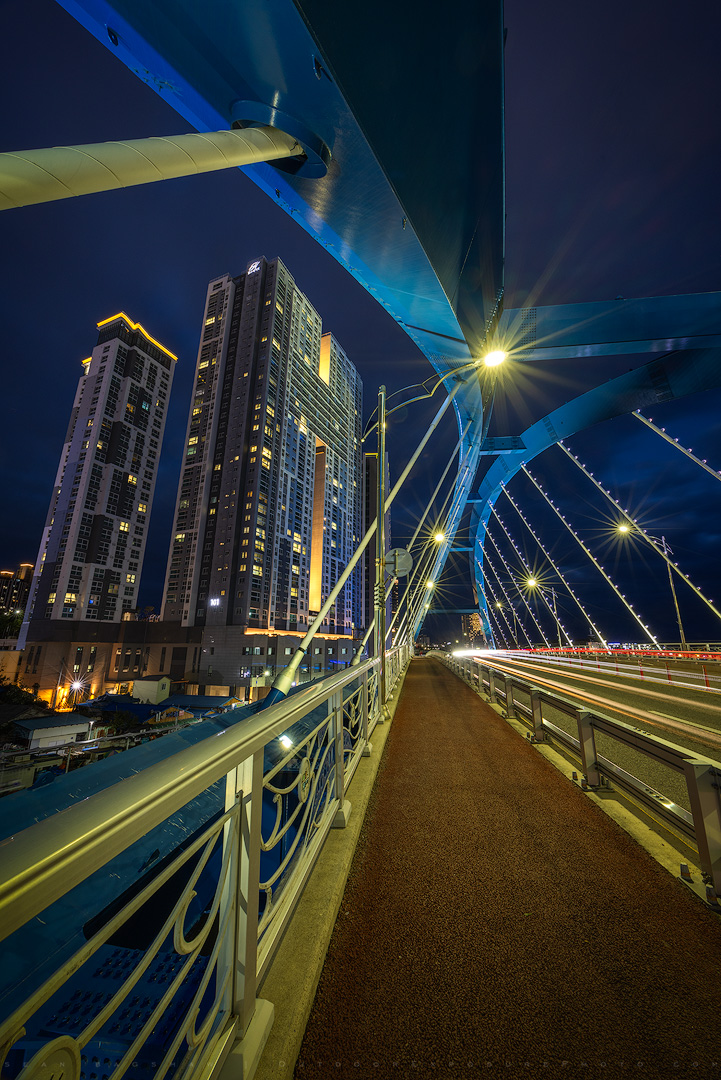
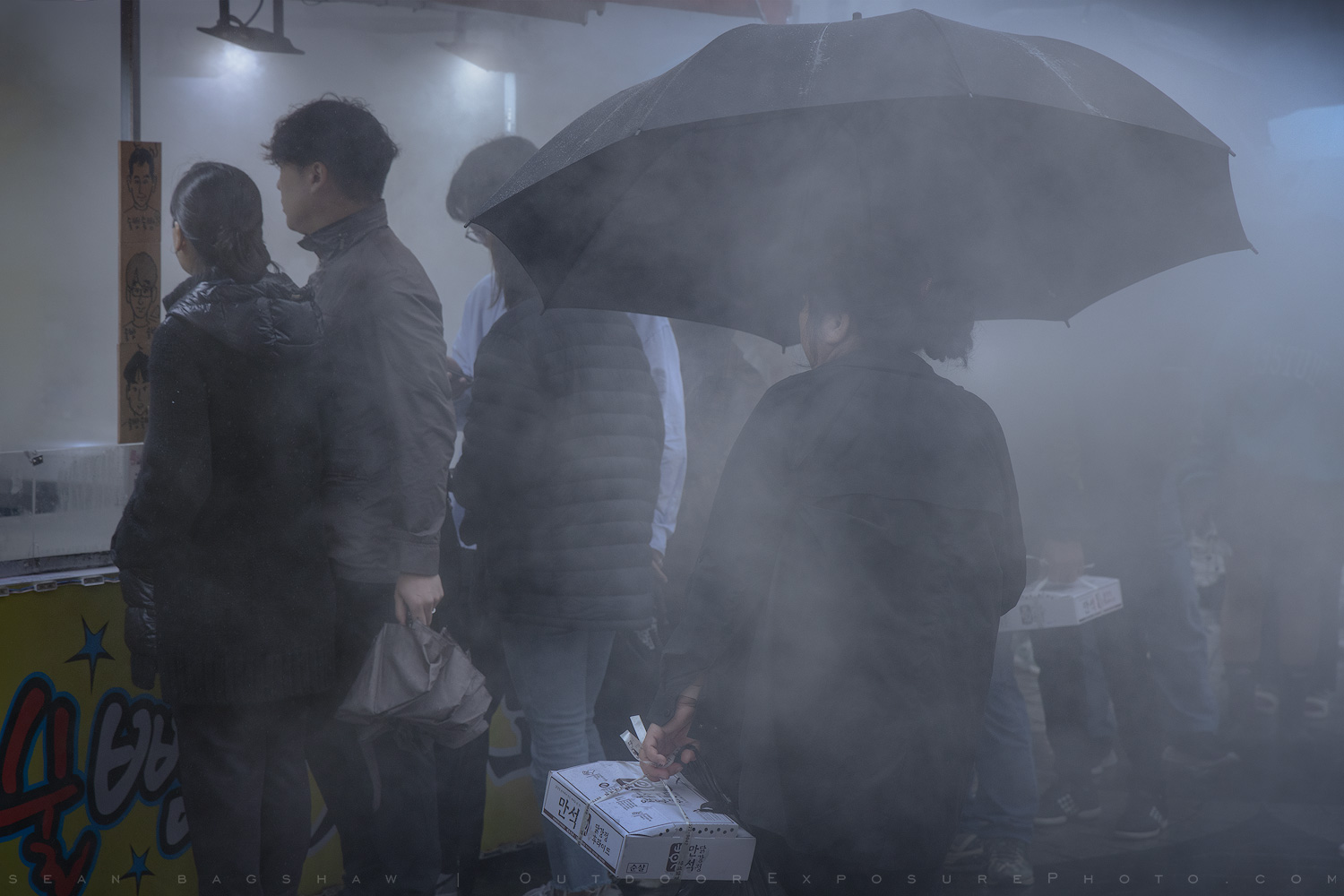
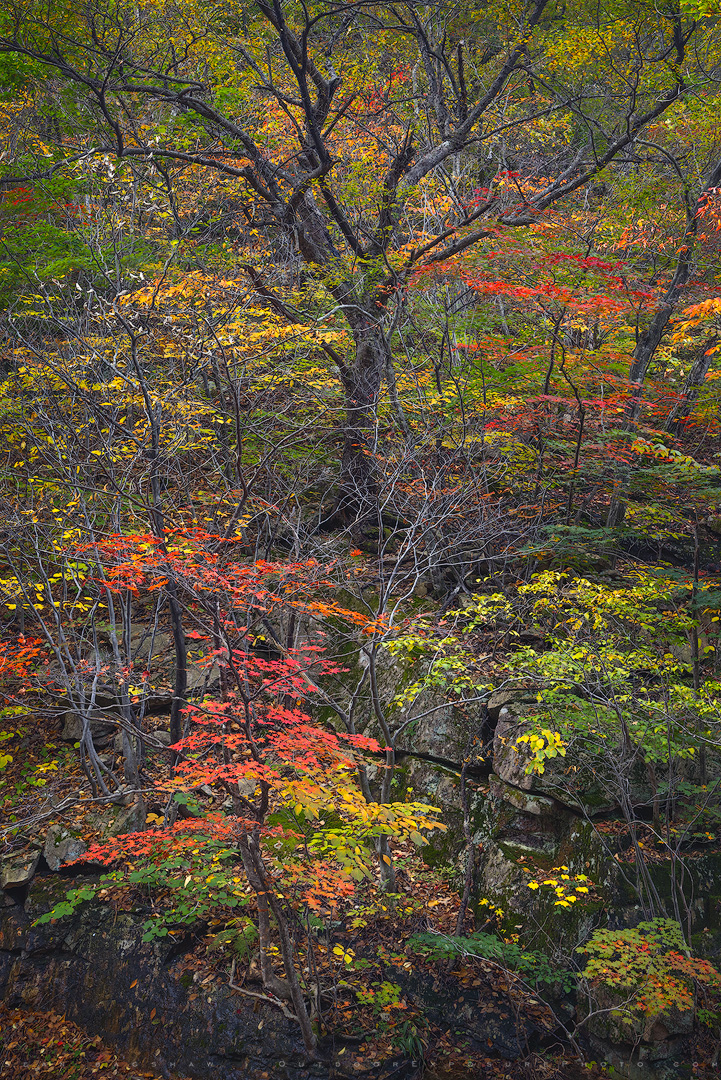
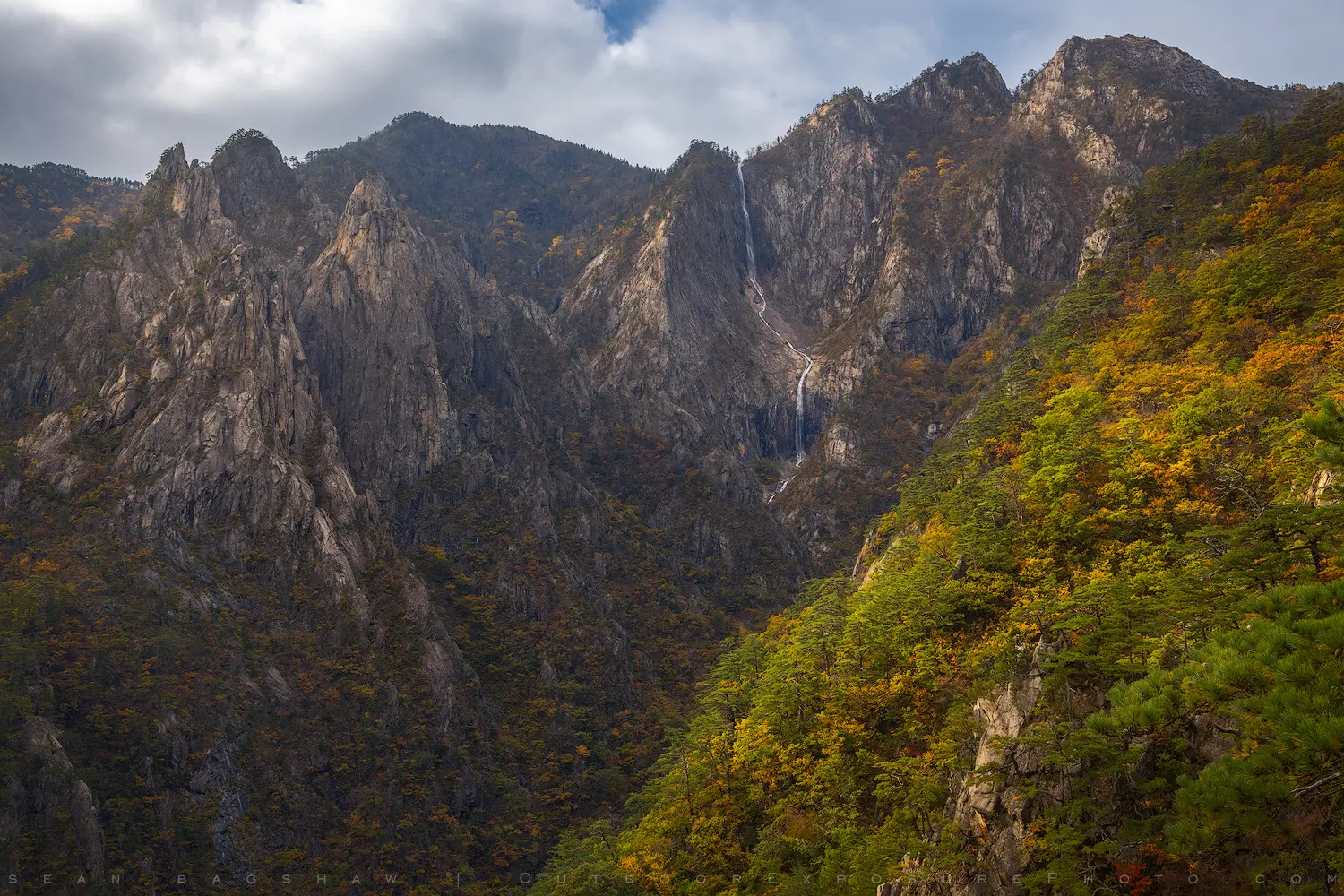
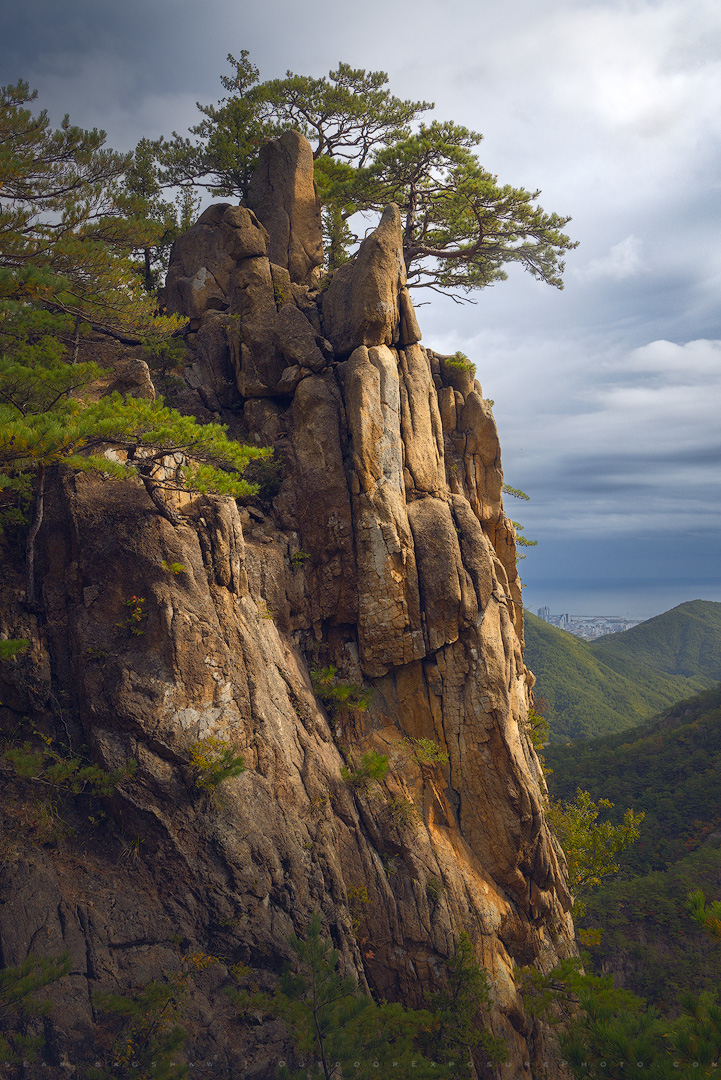
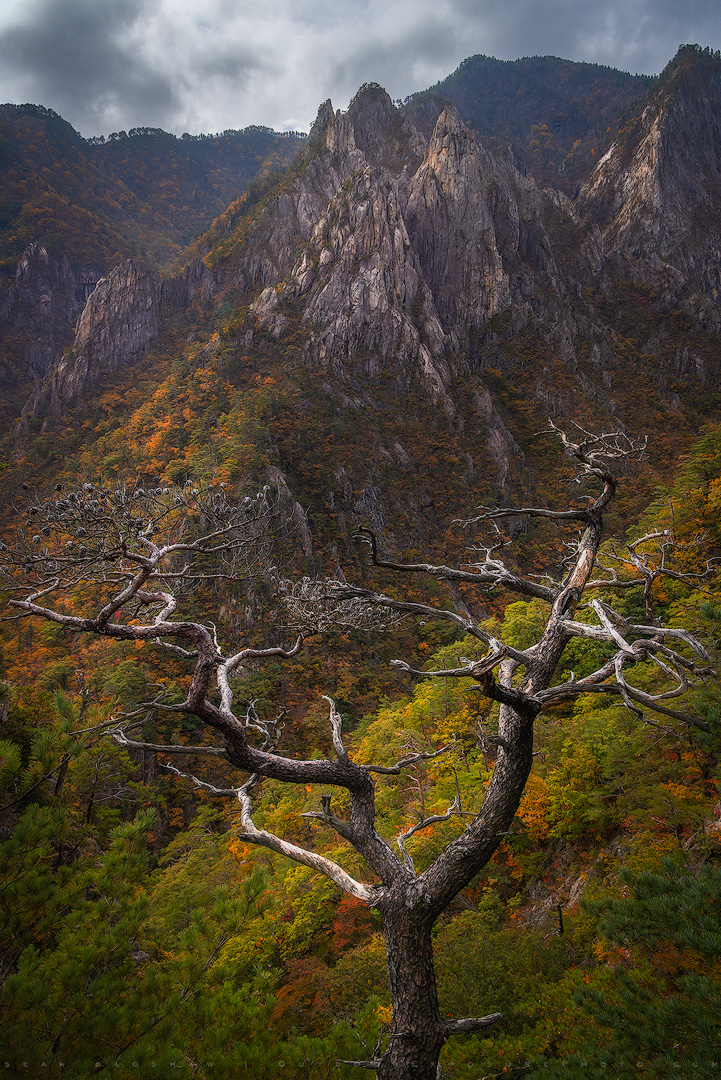
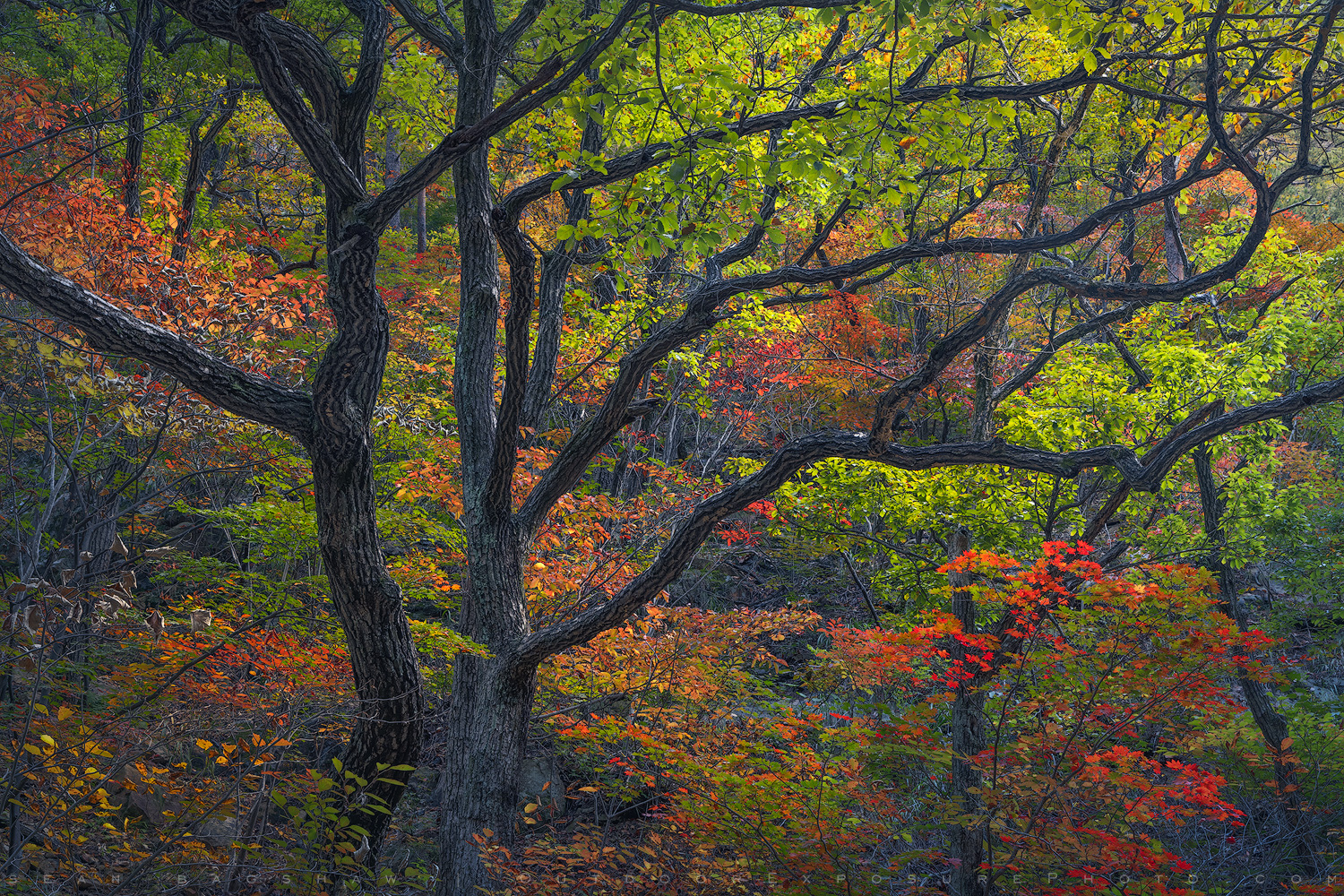
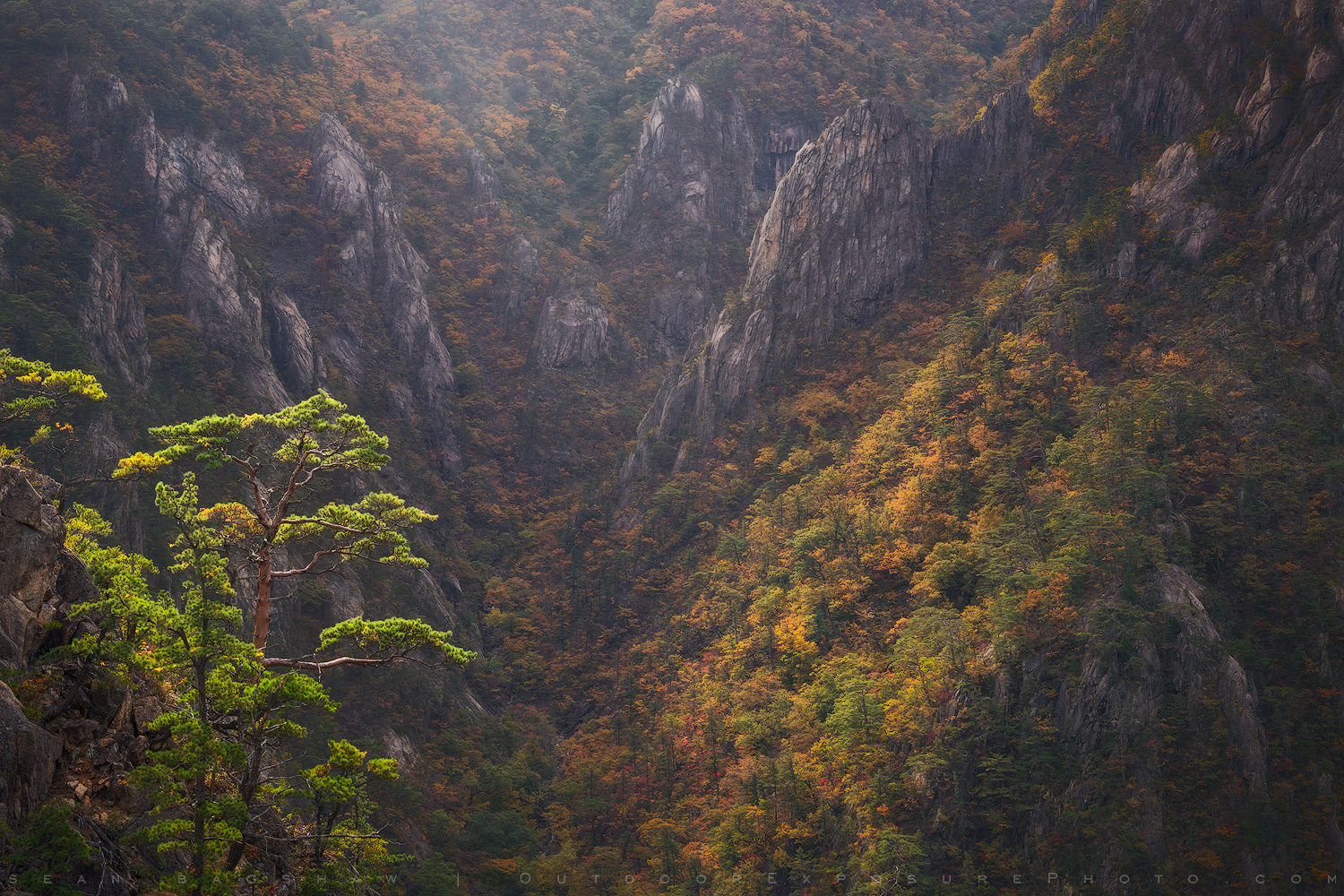
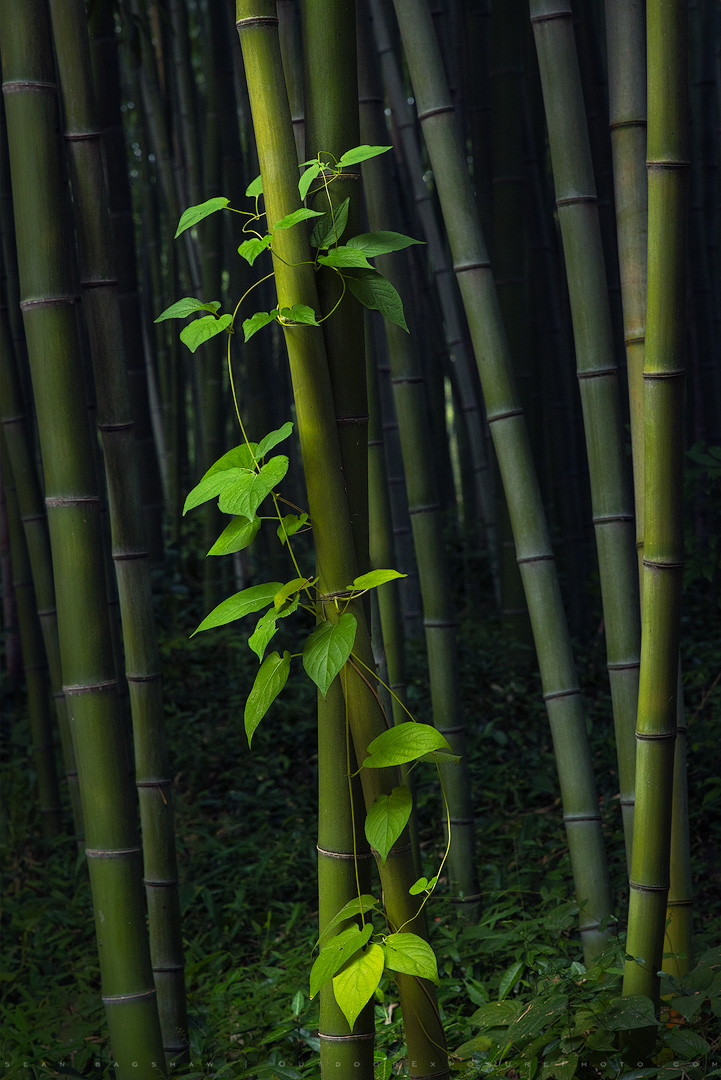
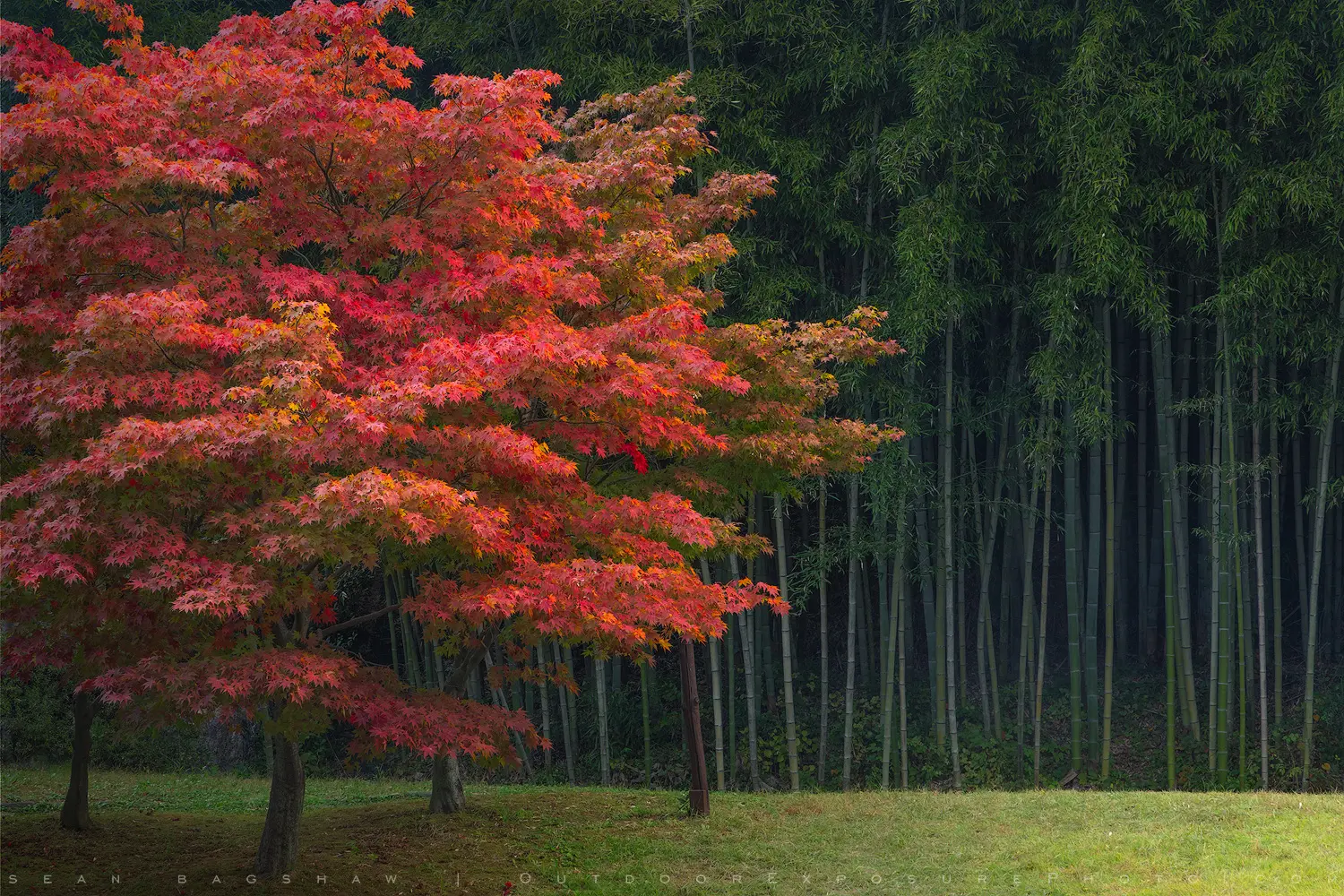
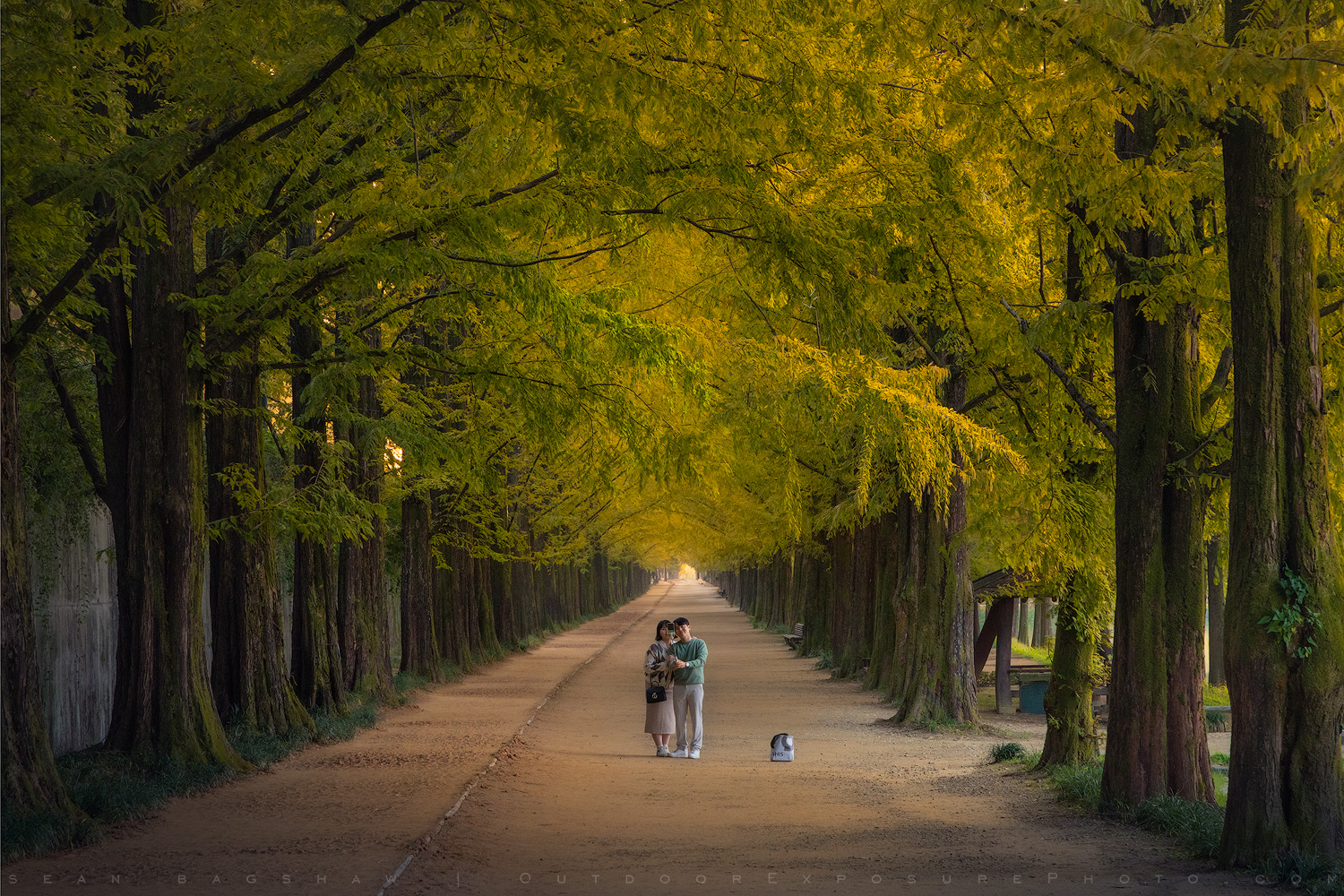
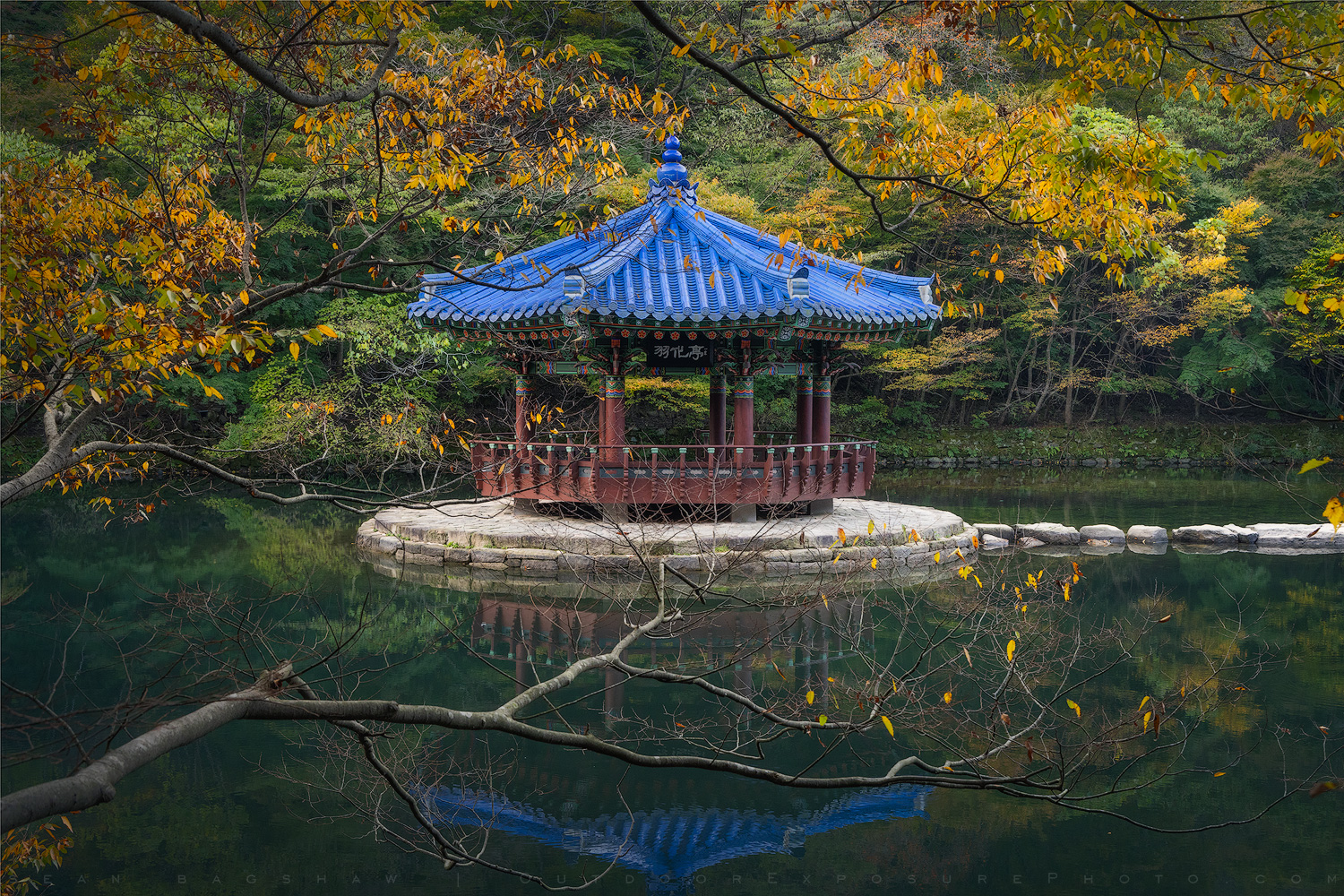
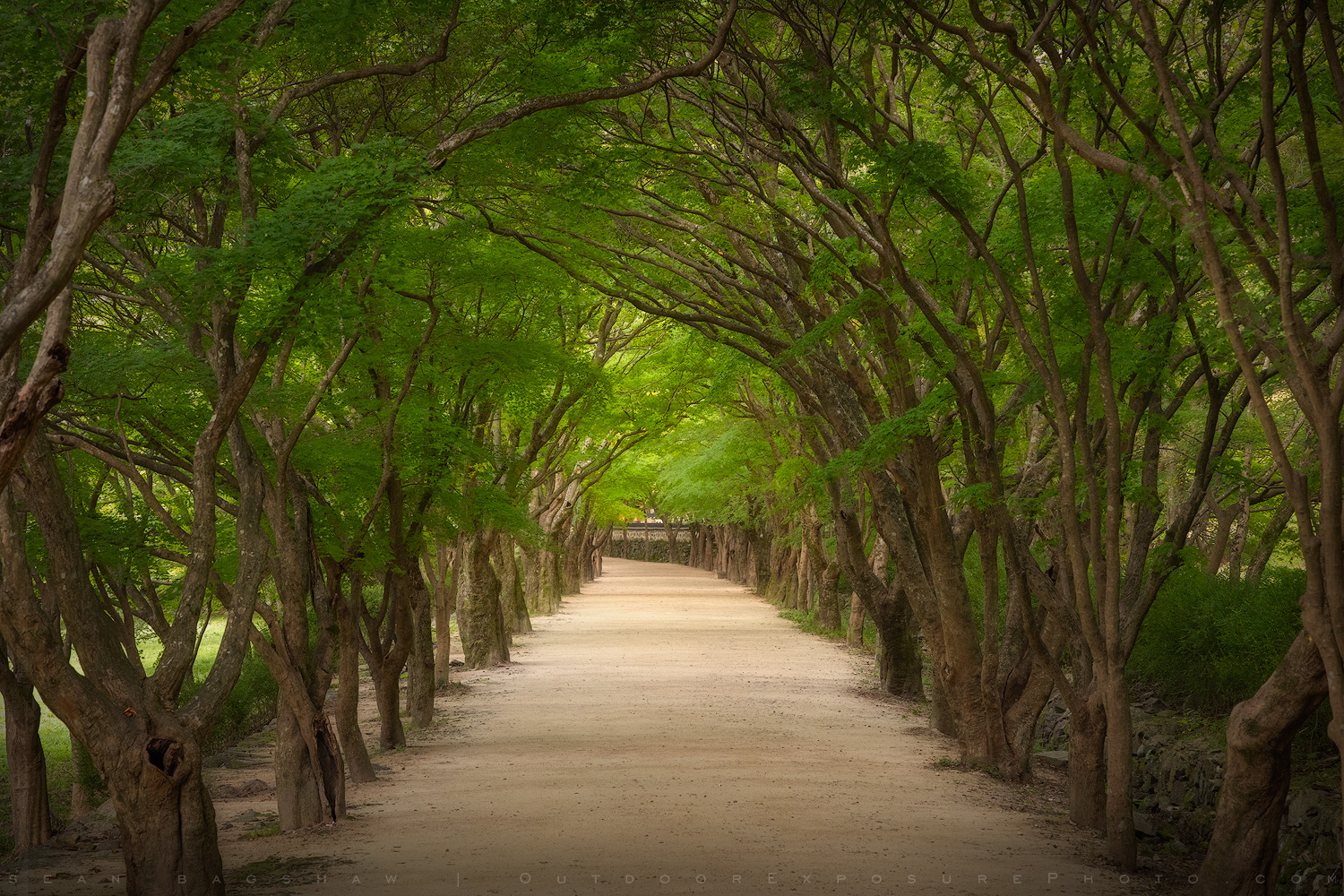
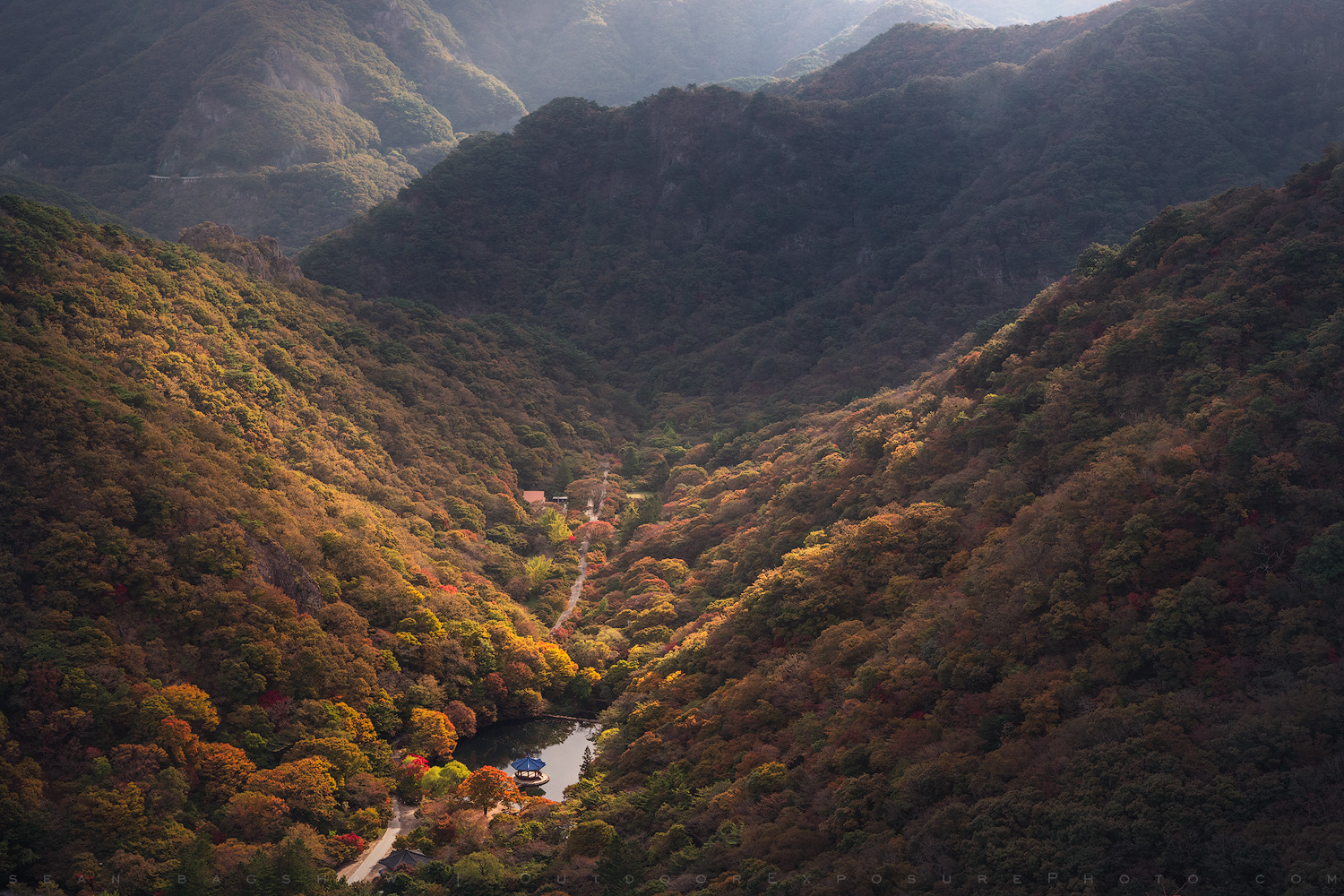
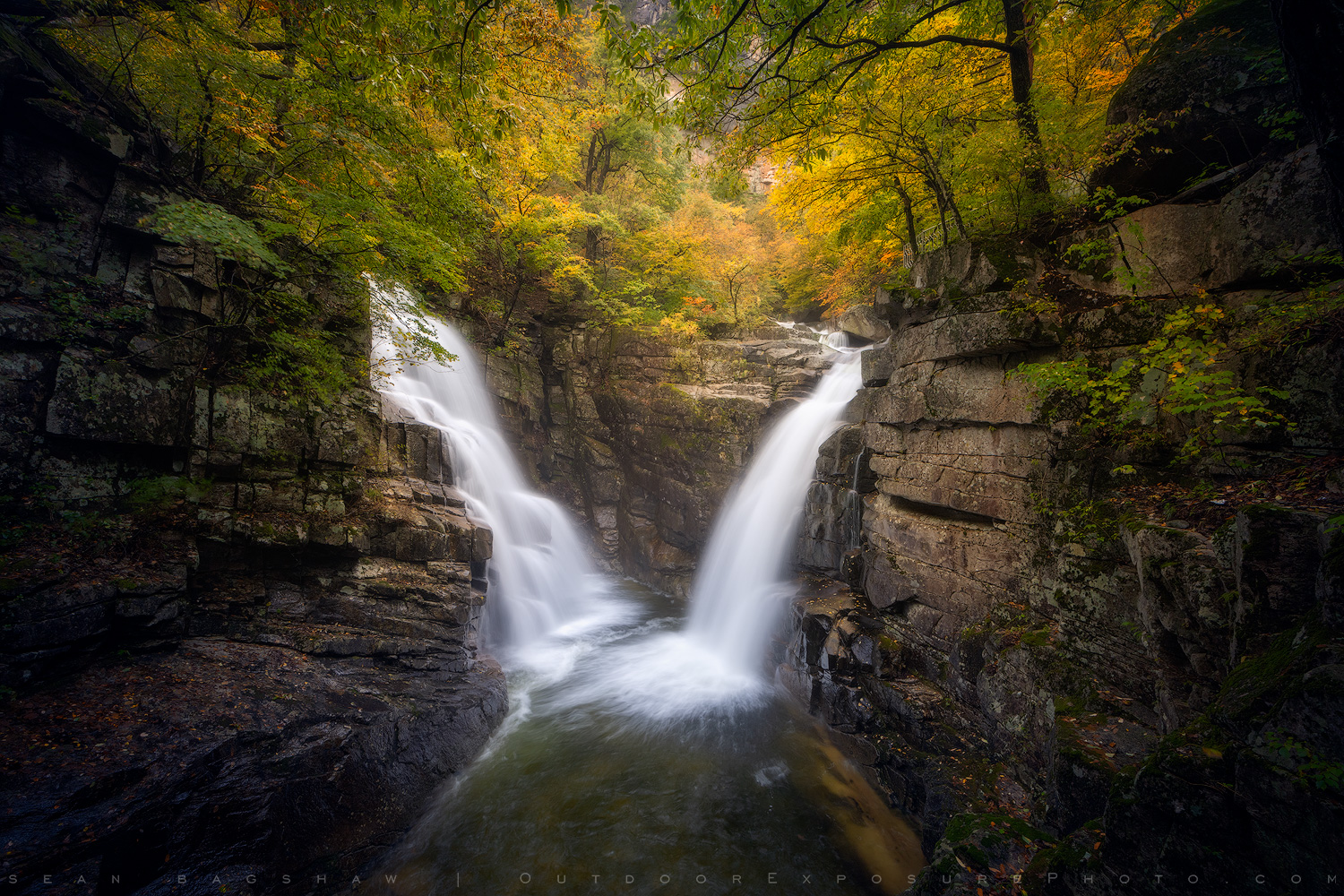
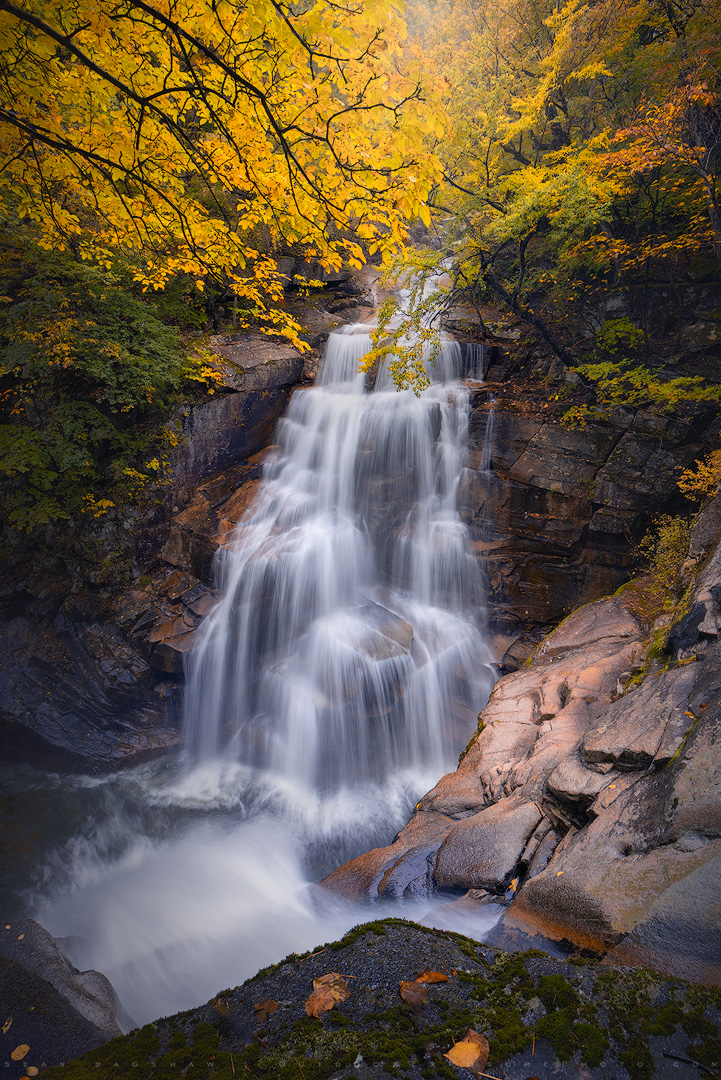
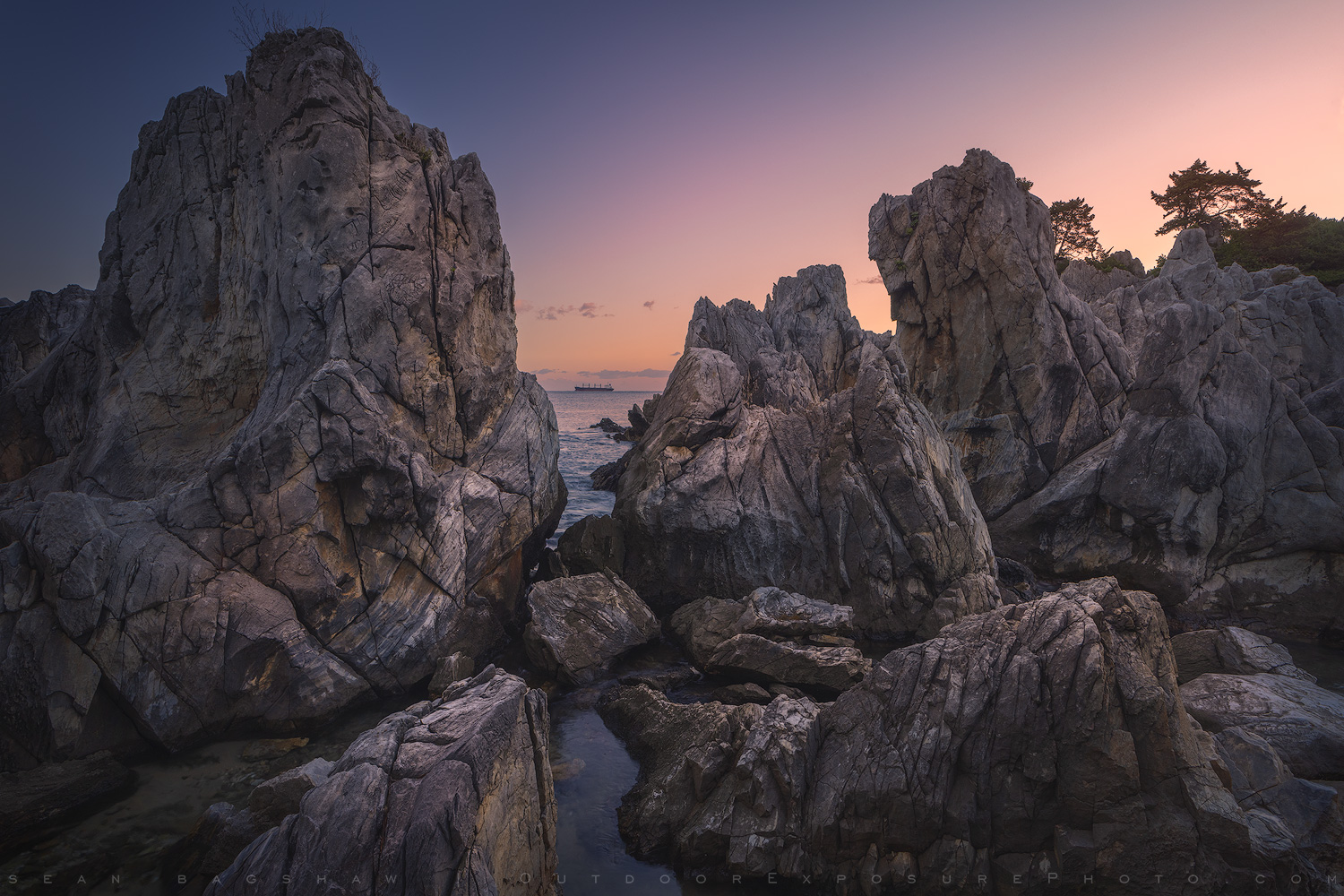
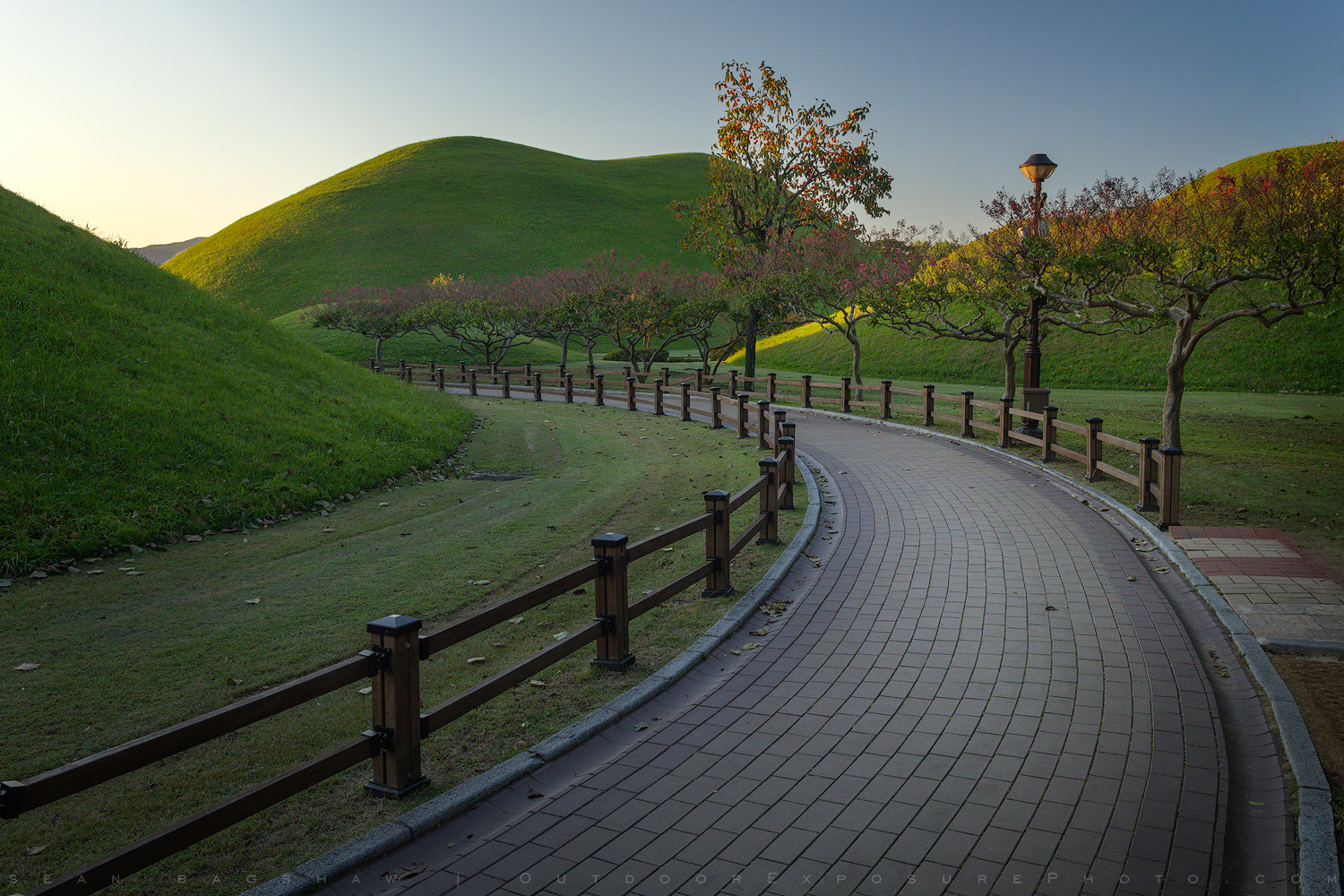
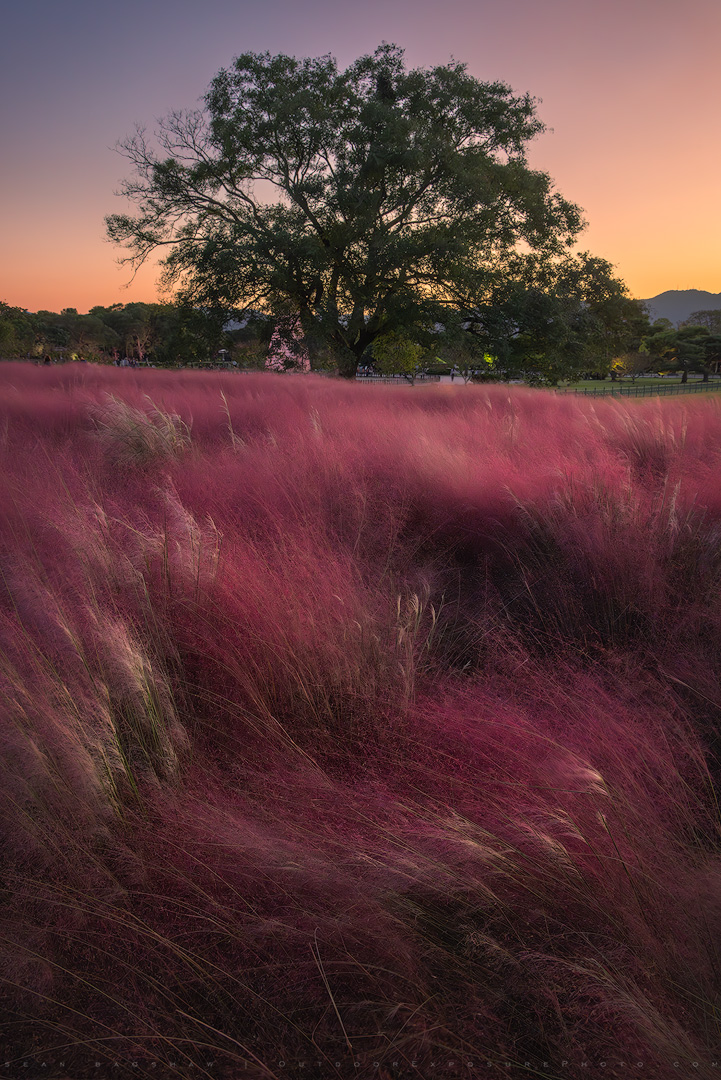
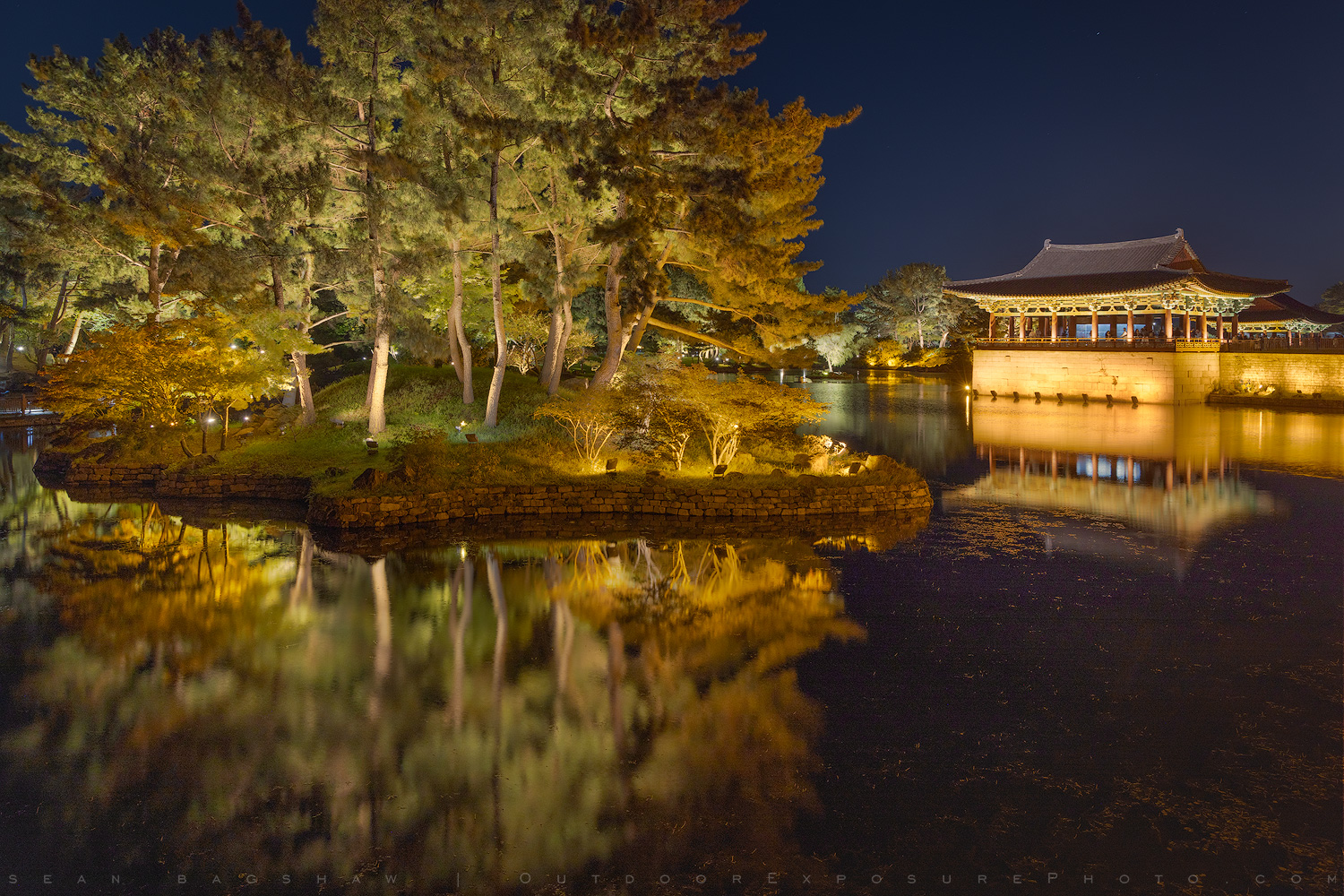
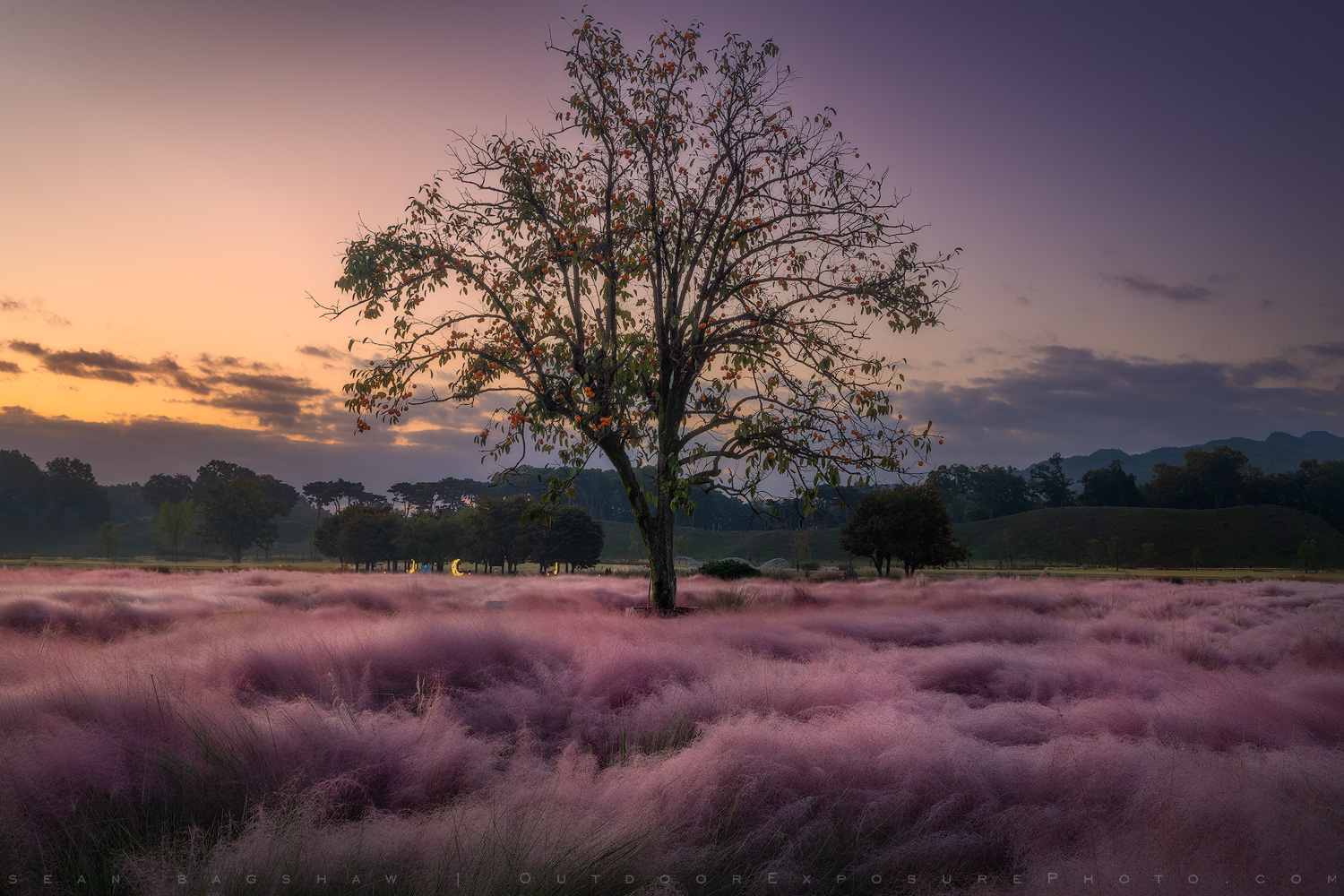
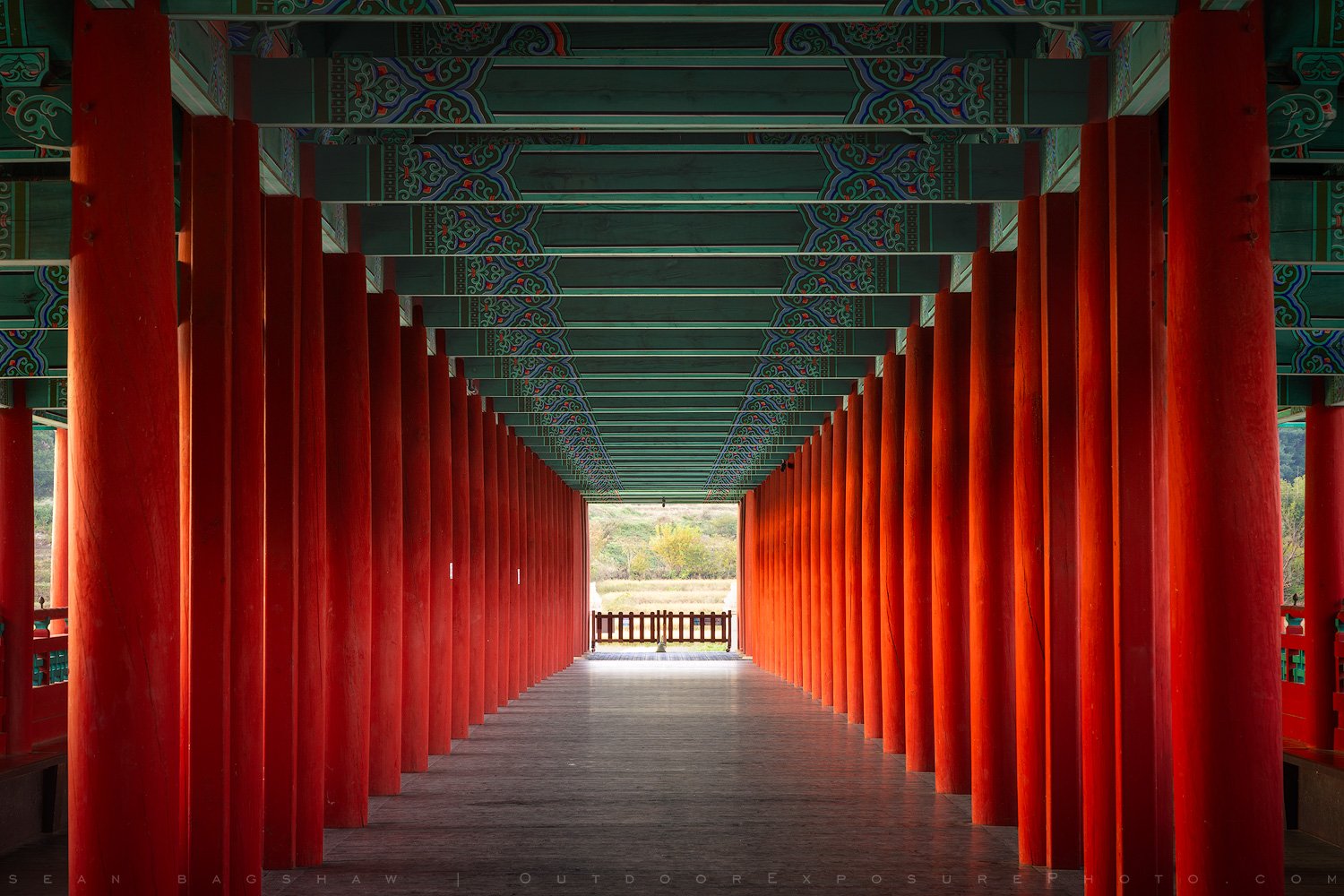
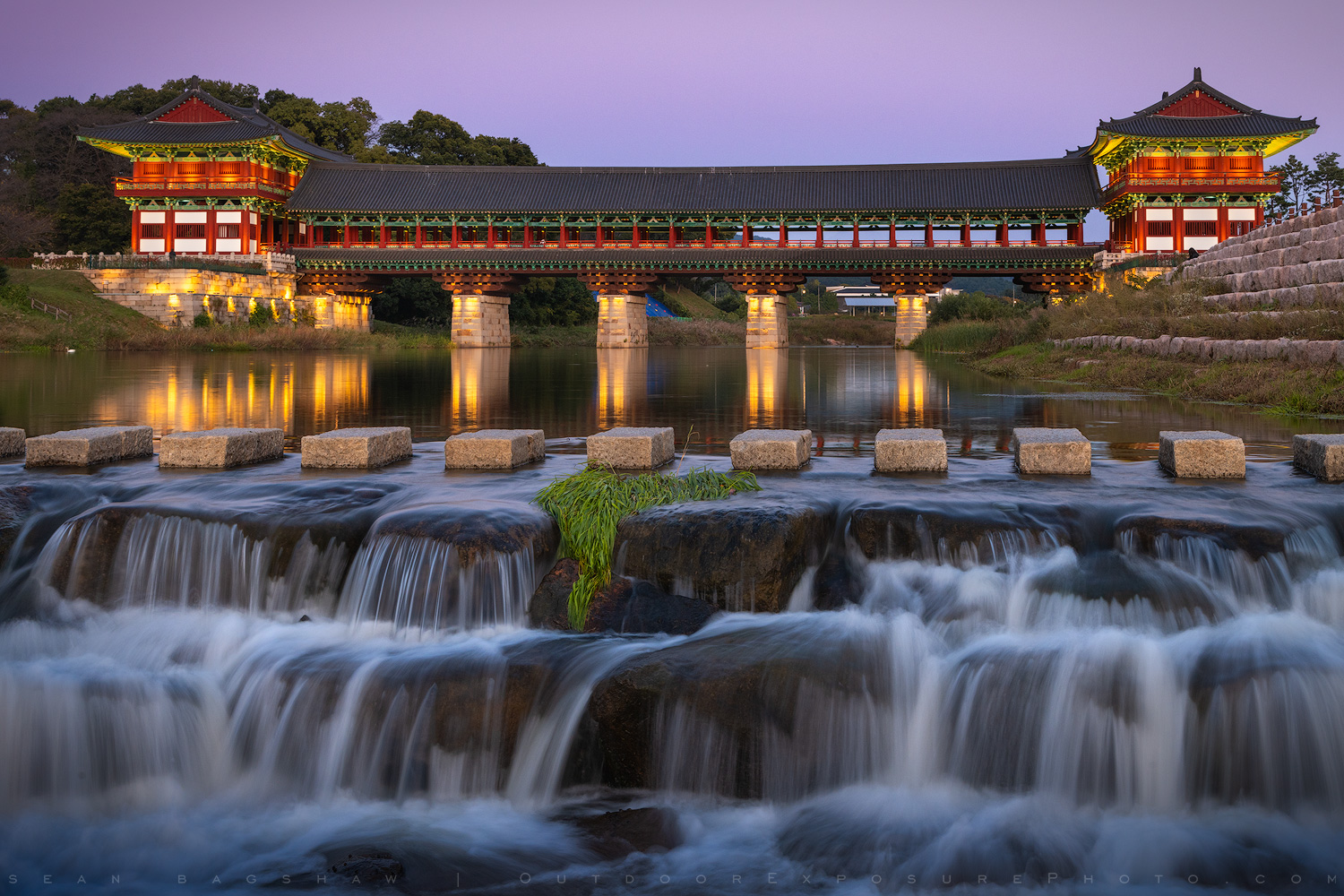
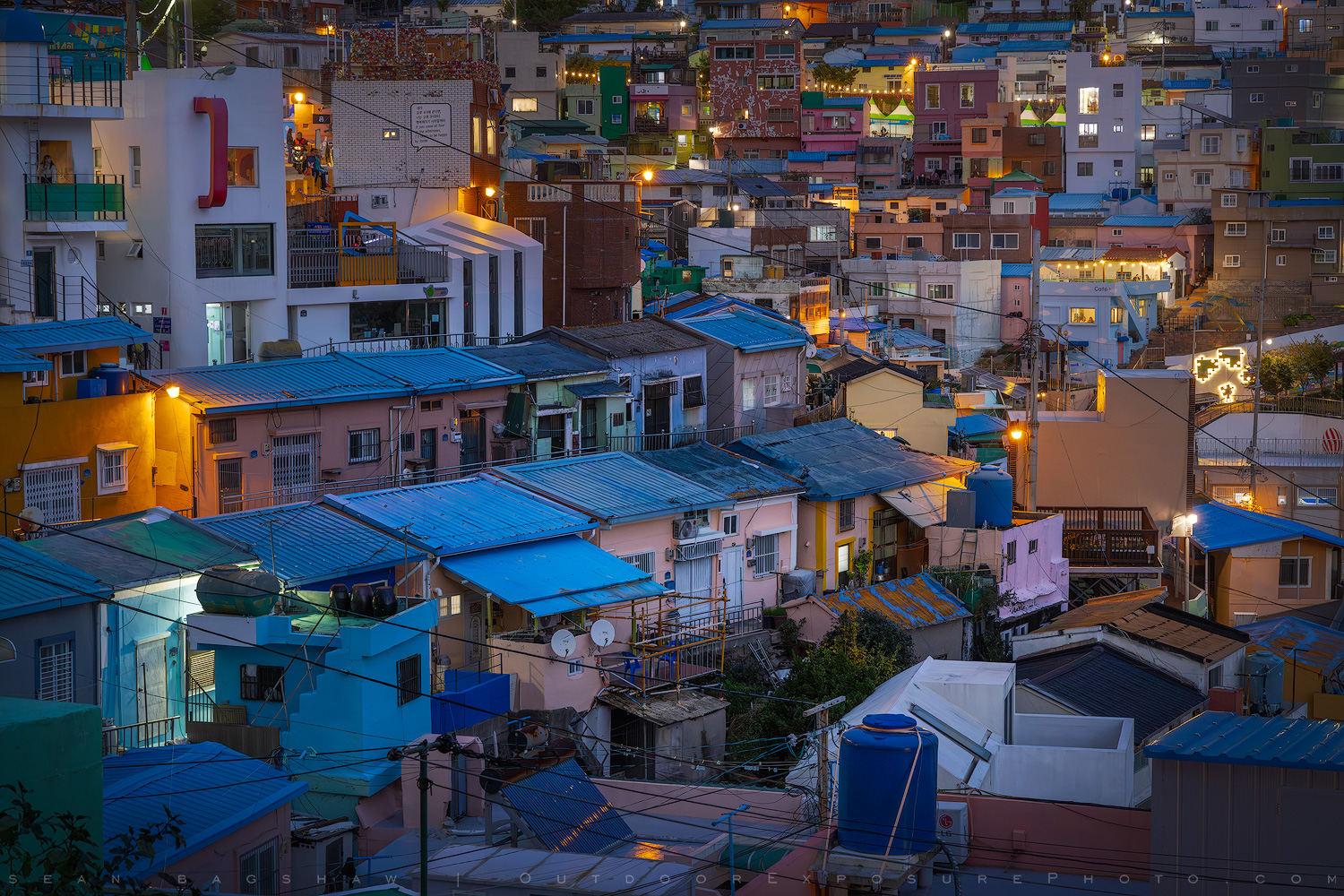
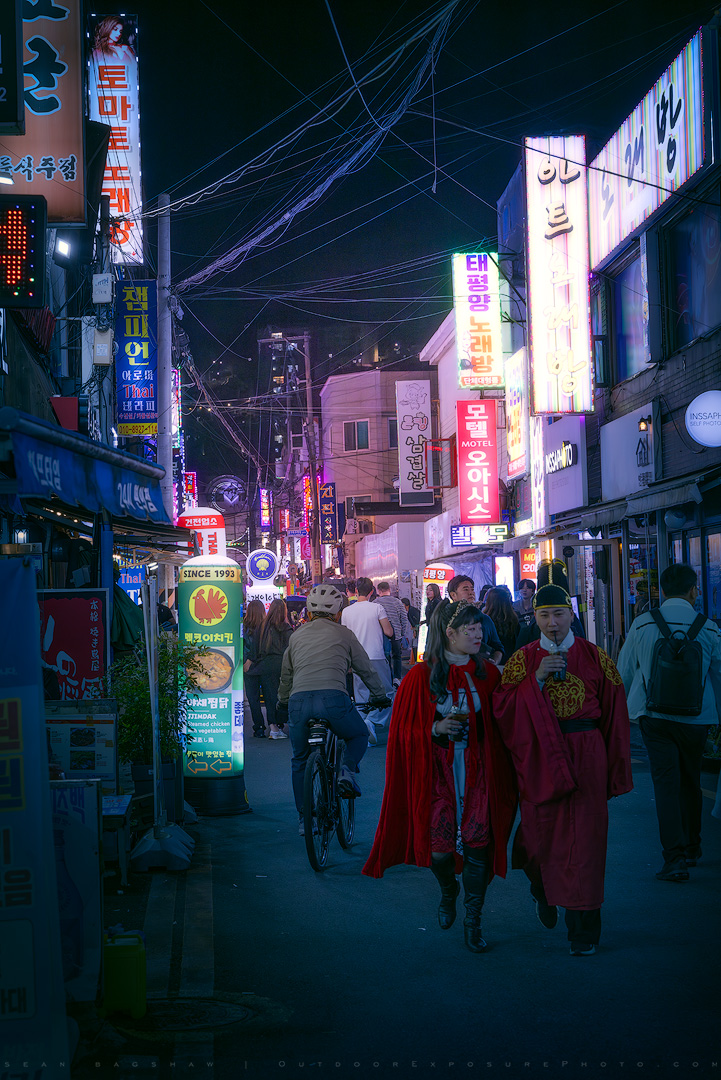
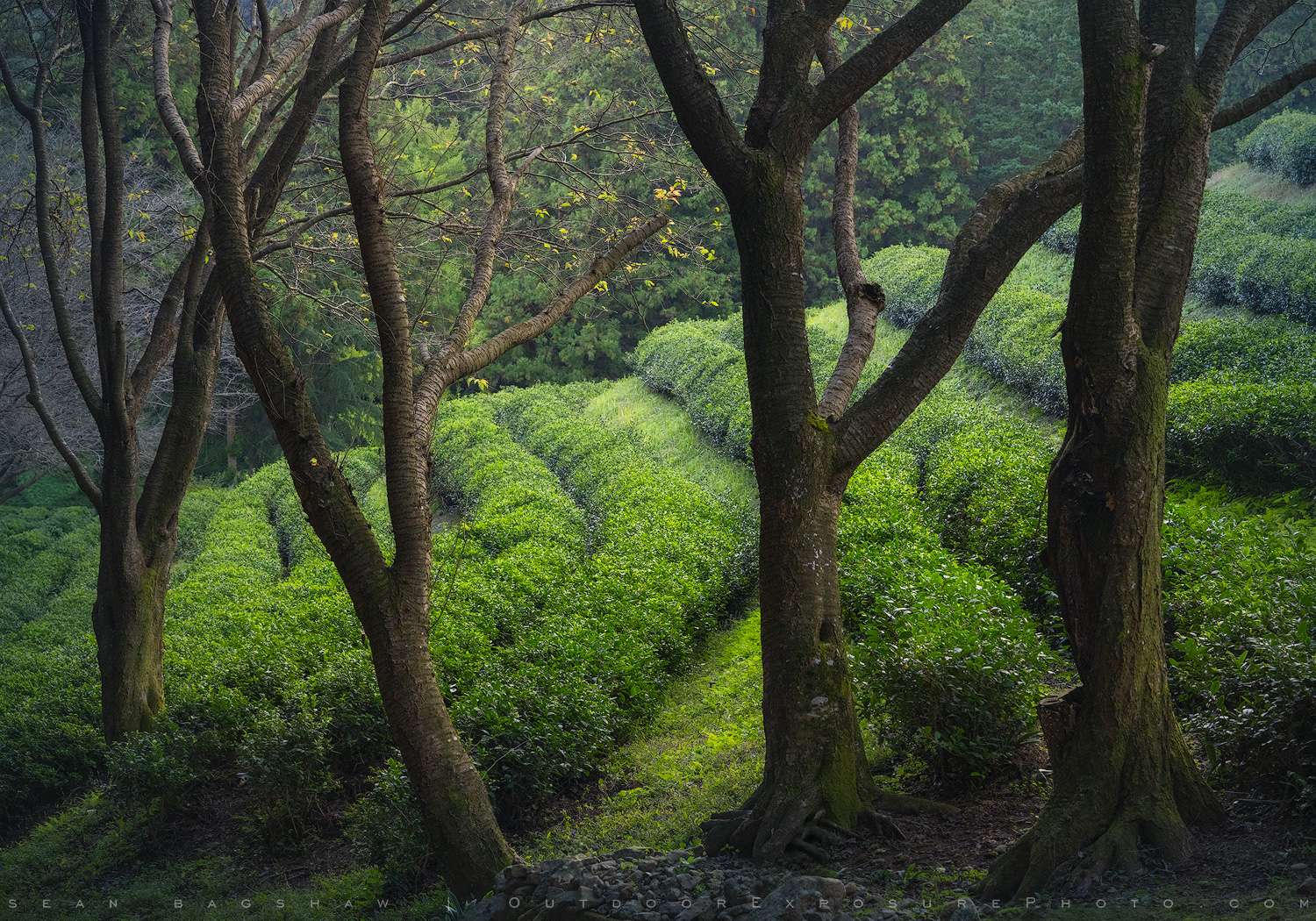
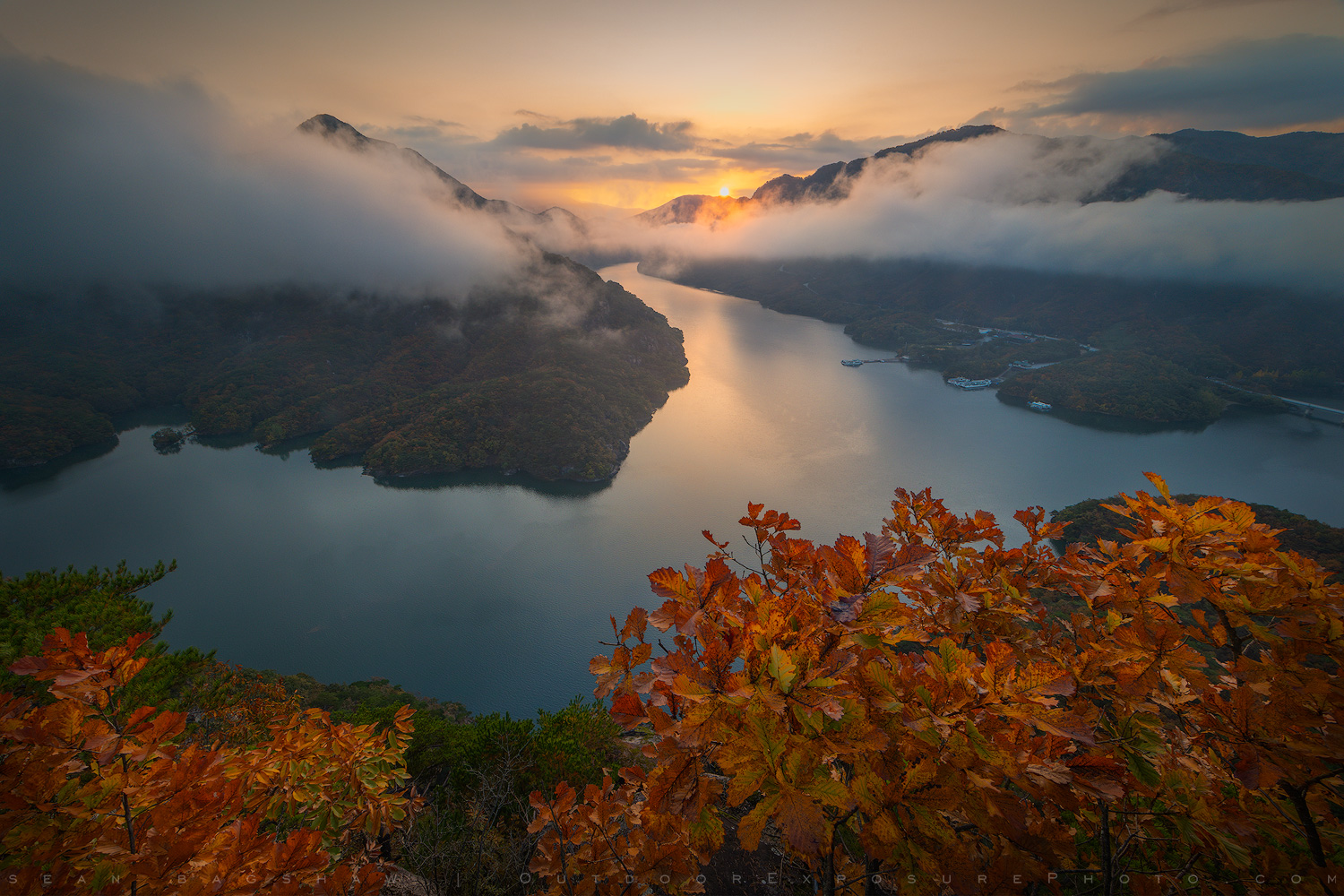
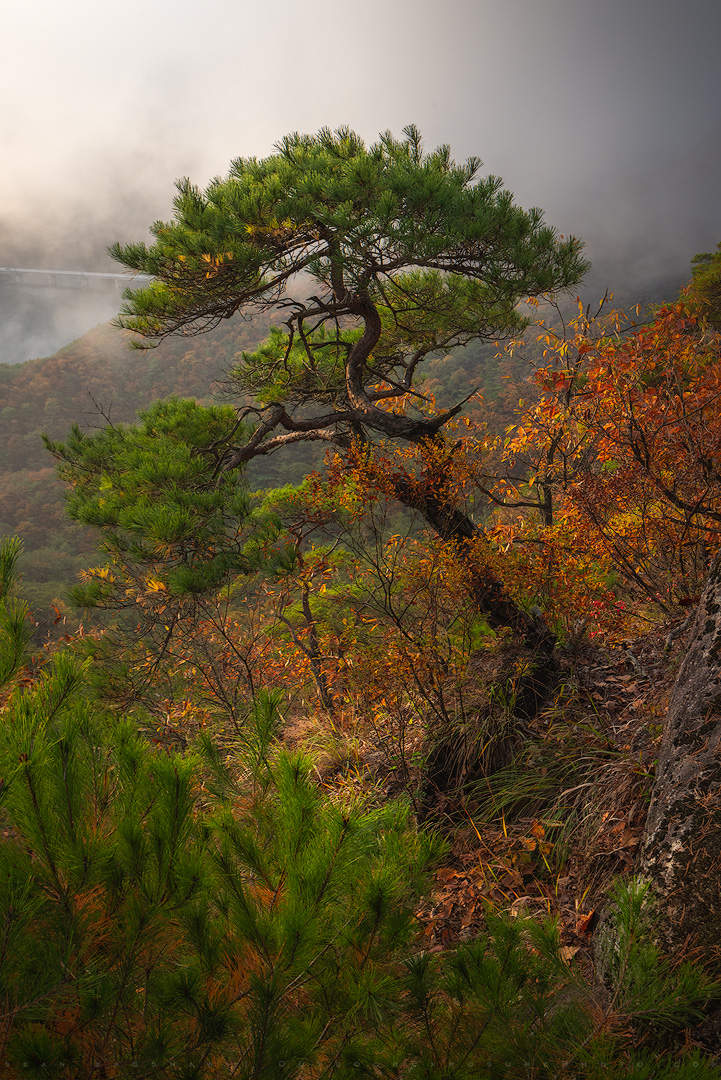
My photography trip to the Republic of Korea with David Cobb was an unforgettable experience. Korea is a captivating blend of ancient traditions and modern innovation, with photogenic contrasts everywhere—from bustling cityscapes filled with neon lights to tranquil temples and lush natural landscapes. The people were incredibly kind and welcoming, and the food was a highlight. However, the high population density meant adjusting to photographing in busy spaces, a big shift from the wide-open, quiet landscapes I’m used to in the western U.S. and Canada.

Filed Under: Featured Photos, Photography Travel Journal

My Favorite Images From 2020

December 30, 2020 by Sean Bagshaw Leave a Comment

My Favorite Images From 2020

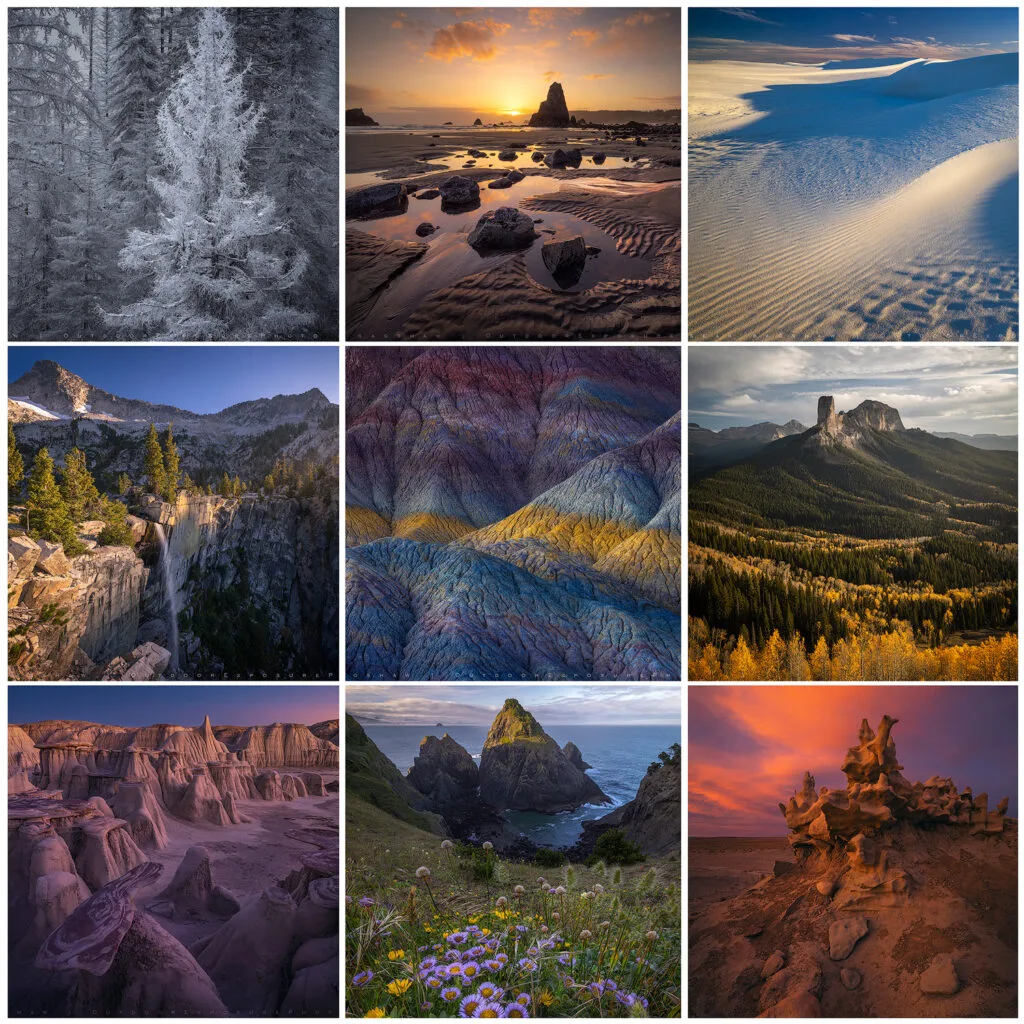
These are my favorite photos from 2020.

I wonder if anyone puts much effort into looking at other people's best-of collections? I used to. In addition to the visual feast, I felt I could learn something, not only about photography but also about the person behind the photographs based on what they deemed their most worthy images of the year.

I still enjoy skimming through year-end collections as they pass in front of me, but I confess I don't search them out and study them as closely as I once did.

Regardless of what anyone else may get out of it, I do find this annual ritual personally beneficial. The opportunity to take a look back through a year's worth of one's own work and pull out the photographs that mean the most to me offers a degree of insight. Sort of like the way I used to try to get to "know" a photographer through their favorite images, there seems to be something to learn about myself by going through this process. That's enough reason for me to continue the tradition. I hope it's something I'm motivated to do for as long as I'm creating photos.

Cheers and best wishes for the year to come.


Images appear in the chronological order they were taken

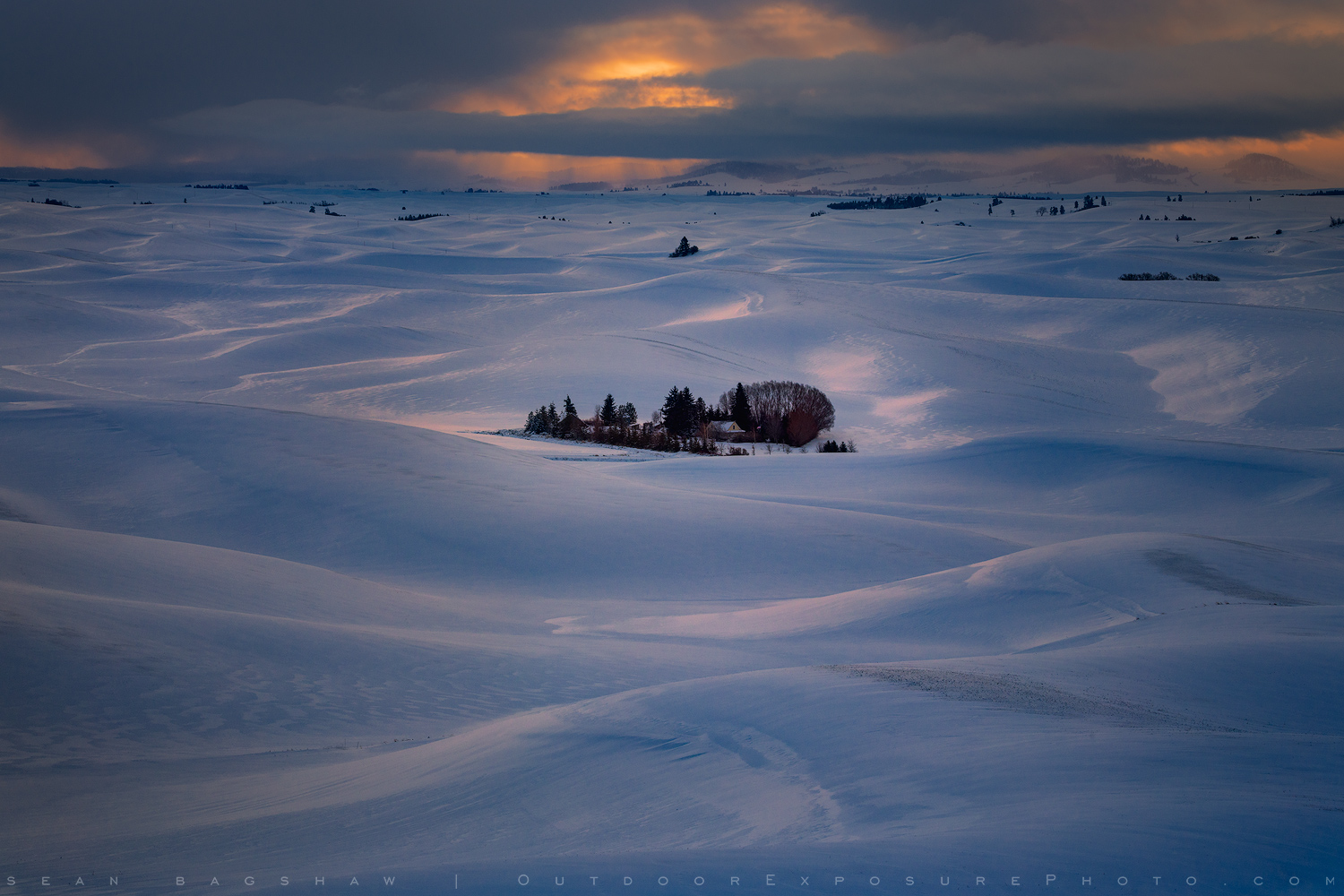
Snowbound
Snowbound
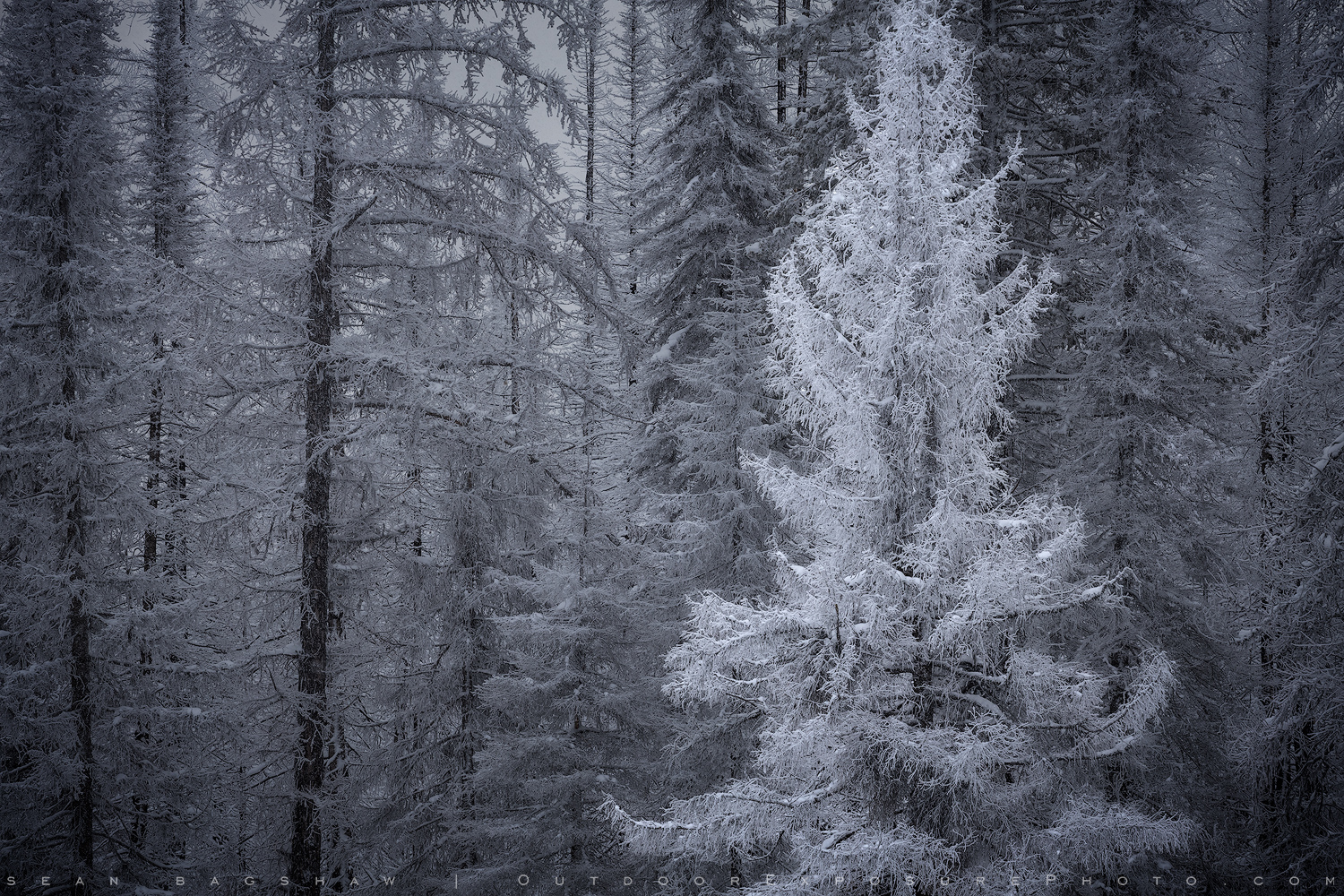
Frost Forest
Frost Forest
Battle Rock Beach
Battle Rock Beach
Hidden Coast
Hidden Coast
Grizzly Falls
Grizzly Falls
Courtside
Courtside
Tale Of Time
Tale Of Time
Lost In Canyons
Lost In Canyons
Technicolor Blanket
Technicolor Blanket
Throneroom
Throneroom
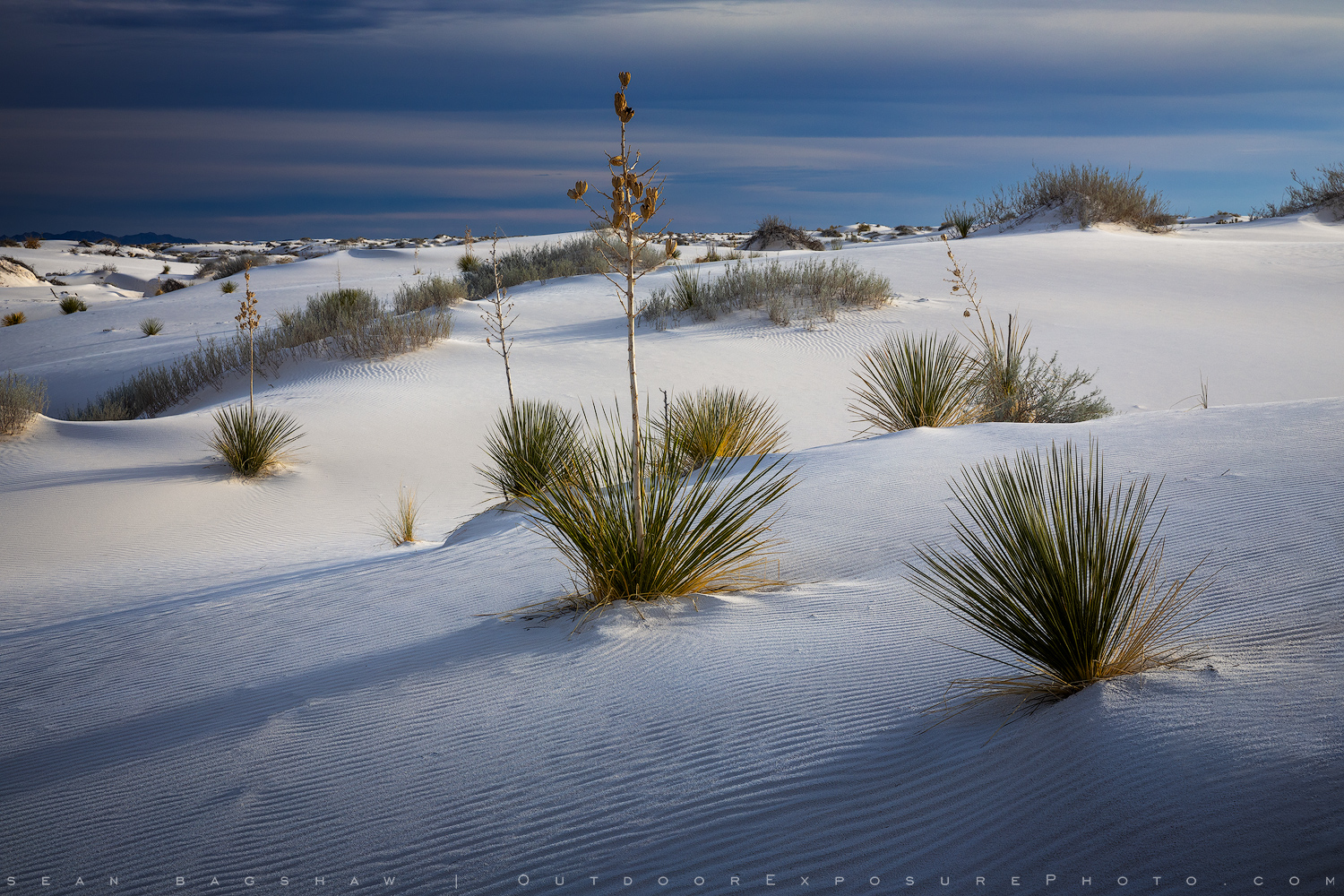
White Sands
White Sands
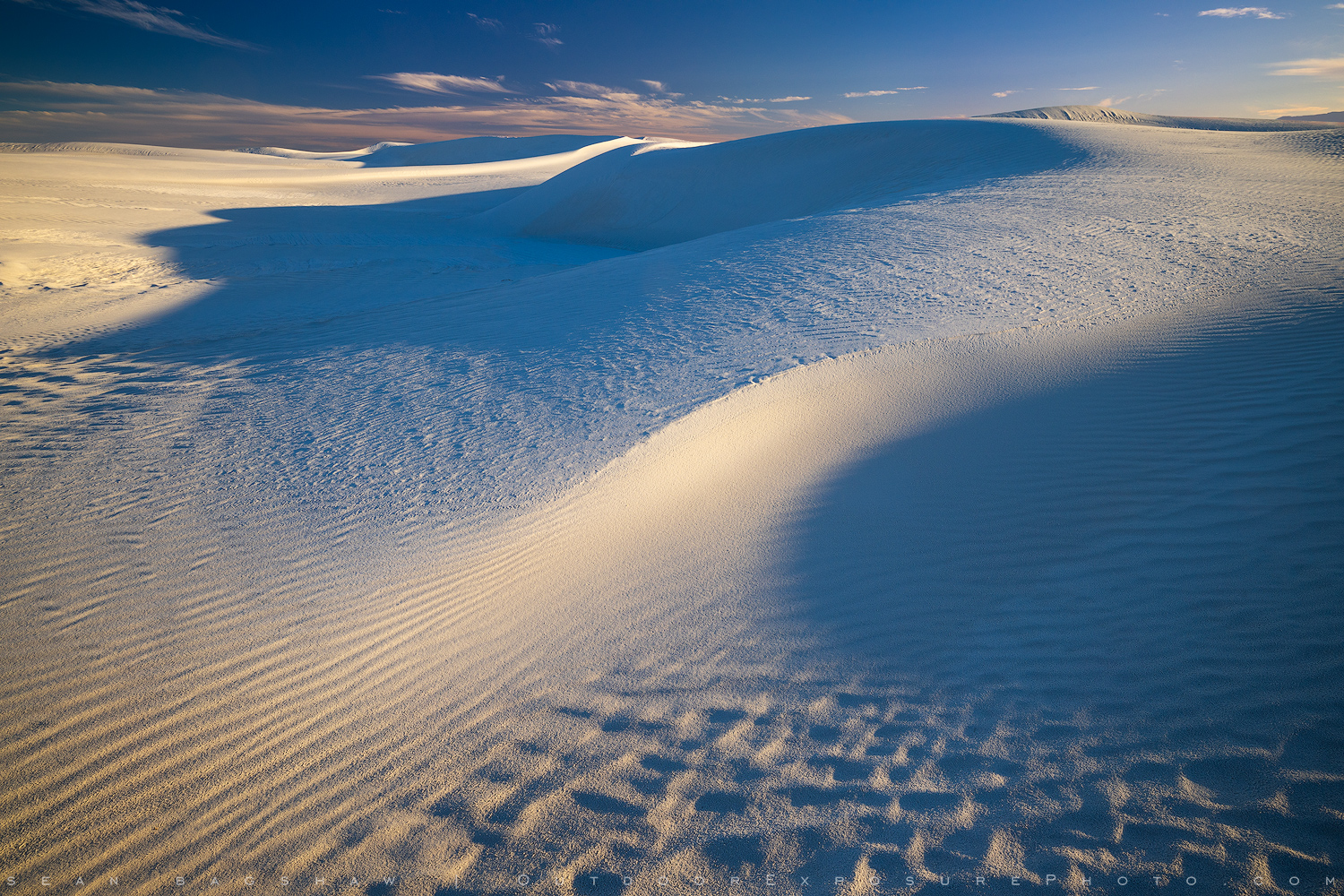
Blue Shadow
Blue Shadow
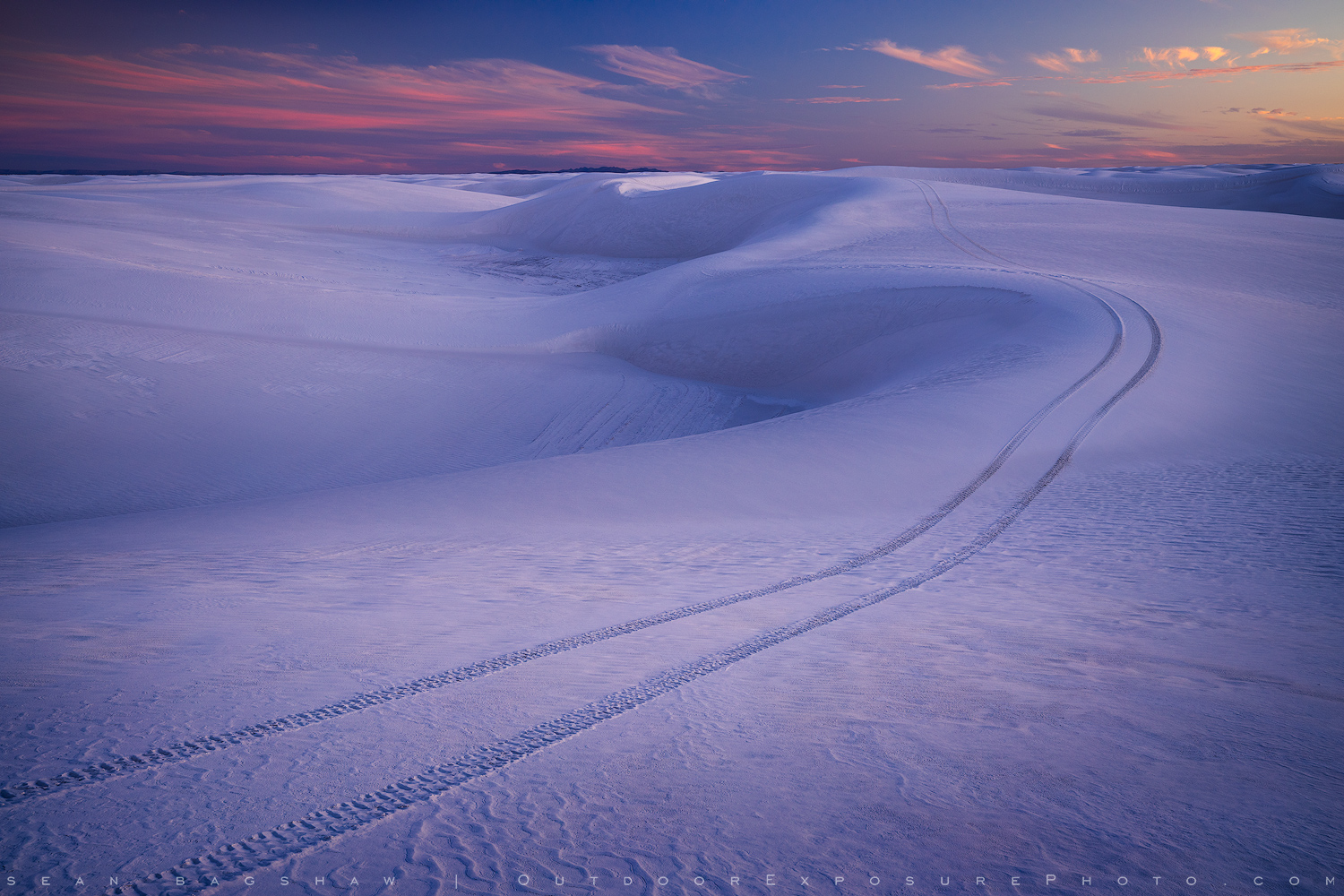
Lunar Rover
Lunar Rover

Filed Under: Best Of The Year, Featured Photos

Photo Cascadia’s Year In Images 2020

December 30, 2020 by Sean Bagshaw Leave a Comment

Photo Cascadia’s Year In Images 2020

Each year the Photo Cascadia Team puts together a video revisiting the photographs, adventures and team antics that made the year memorable. While this was an odd year, even for landscape photography, we all managed to get out to some extent to enjoy the outdoors in a safe and responsible way. 

Like everyone, as a team and individually, our work and lives have been impacted by the global pandemic, climate change, the economic situation and politics. We did our best to remain positive, spend time with the ones we love and find ways to continue doing things that make us who we are, particularly getting out in the landscape and creating photos.

We send you good wishes and hope you enjoy our 2020 Year In Images video. Perhaps it will lift your spirits and provide some hope for the year ahead.

Filed Under: Video, Best Of The Year, Featured Photos, Photography Journal

My Favorite Photos Of 2018

December 18, 2018 by Sean Bagshaw Leave a Comment

My Favorite Photos Of 2018

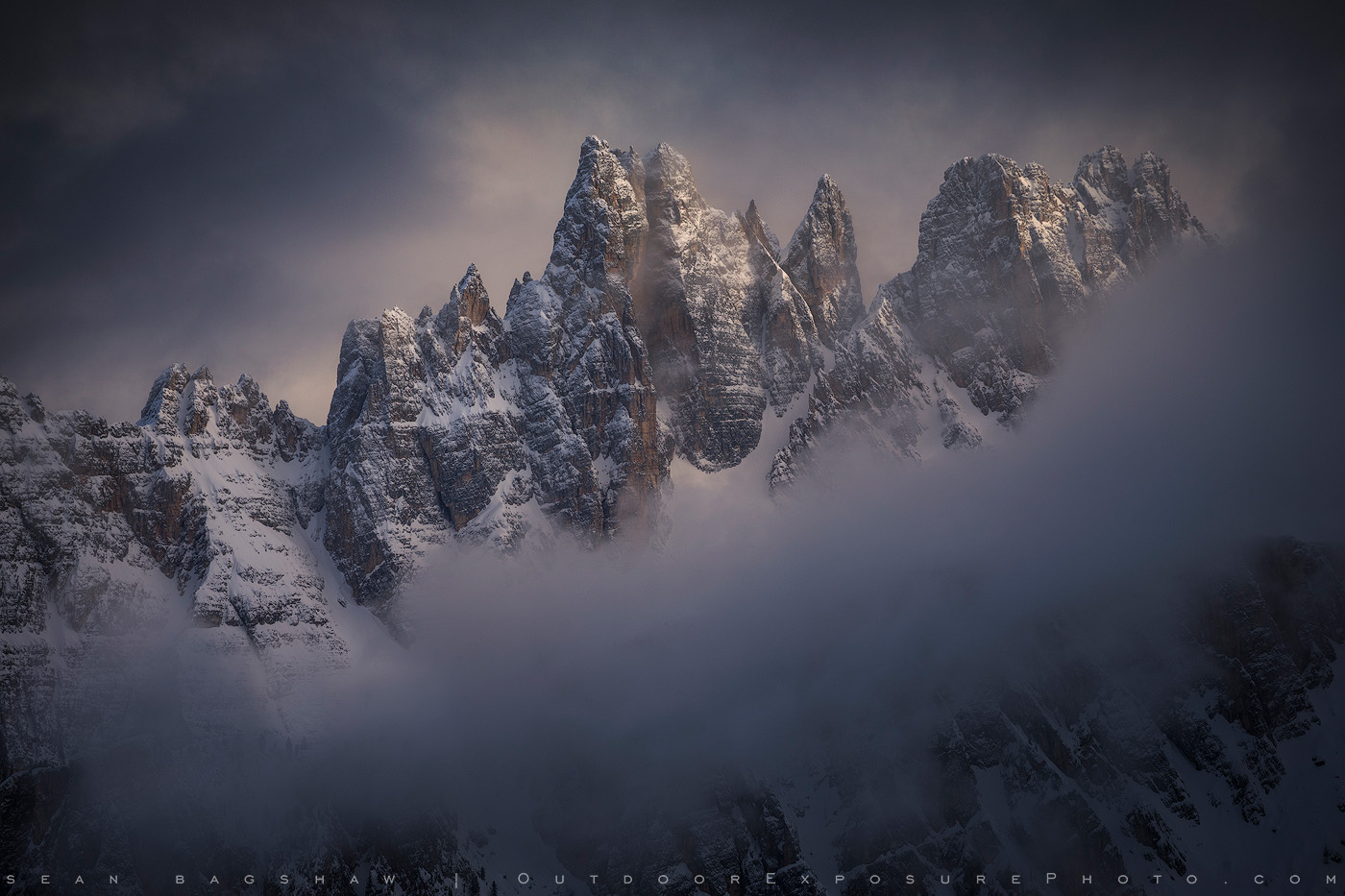
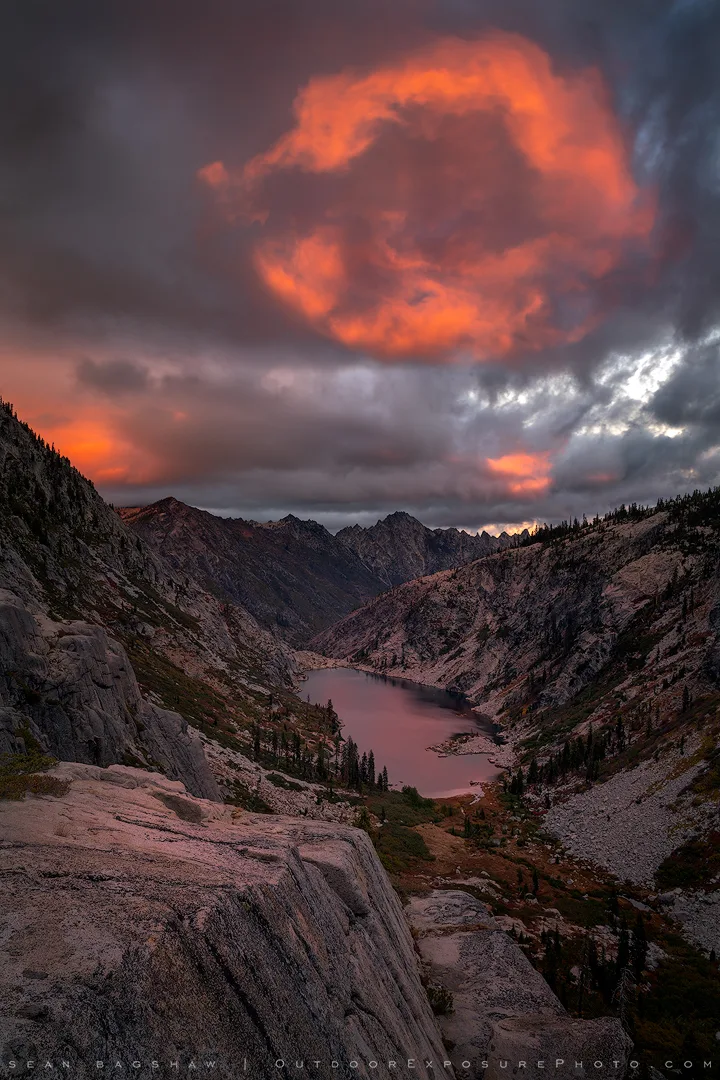
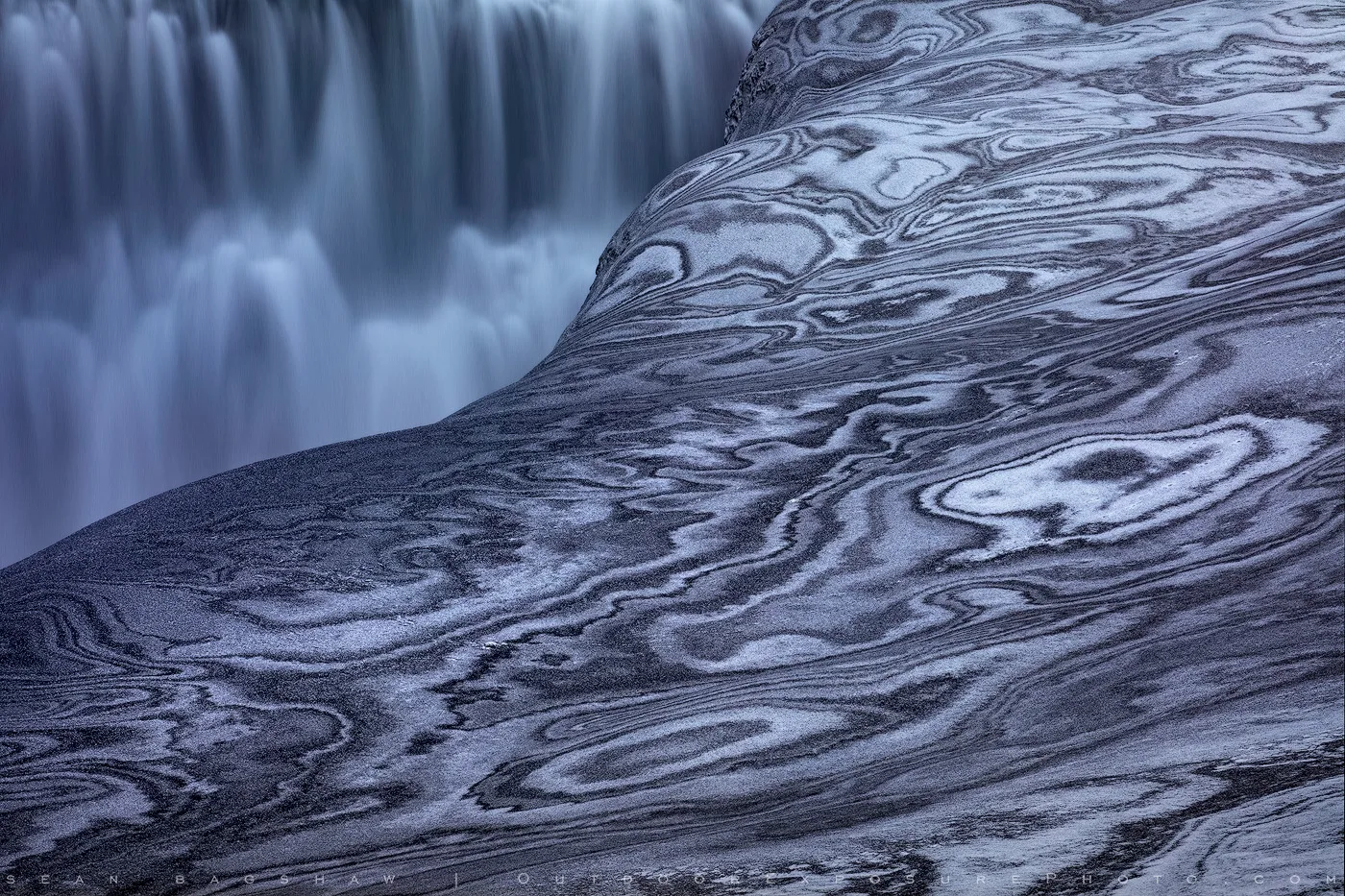
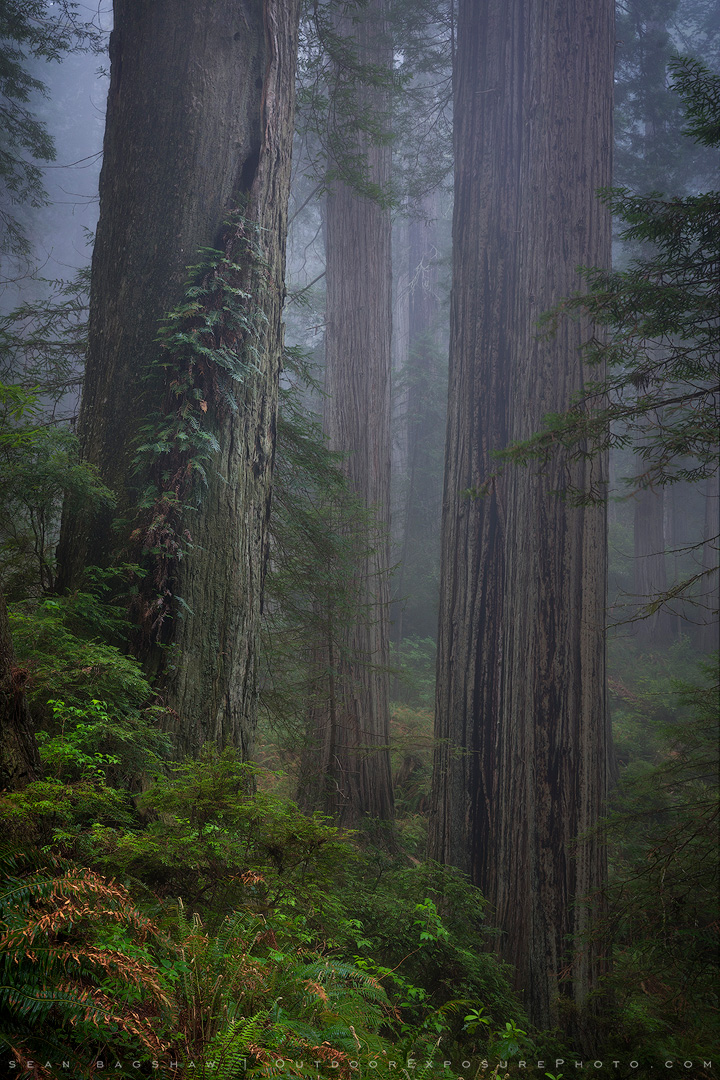
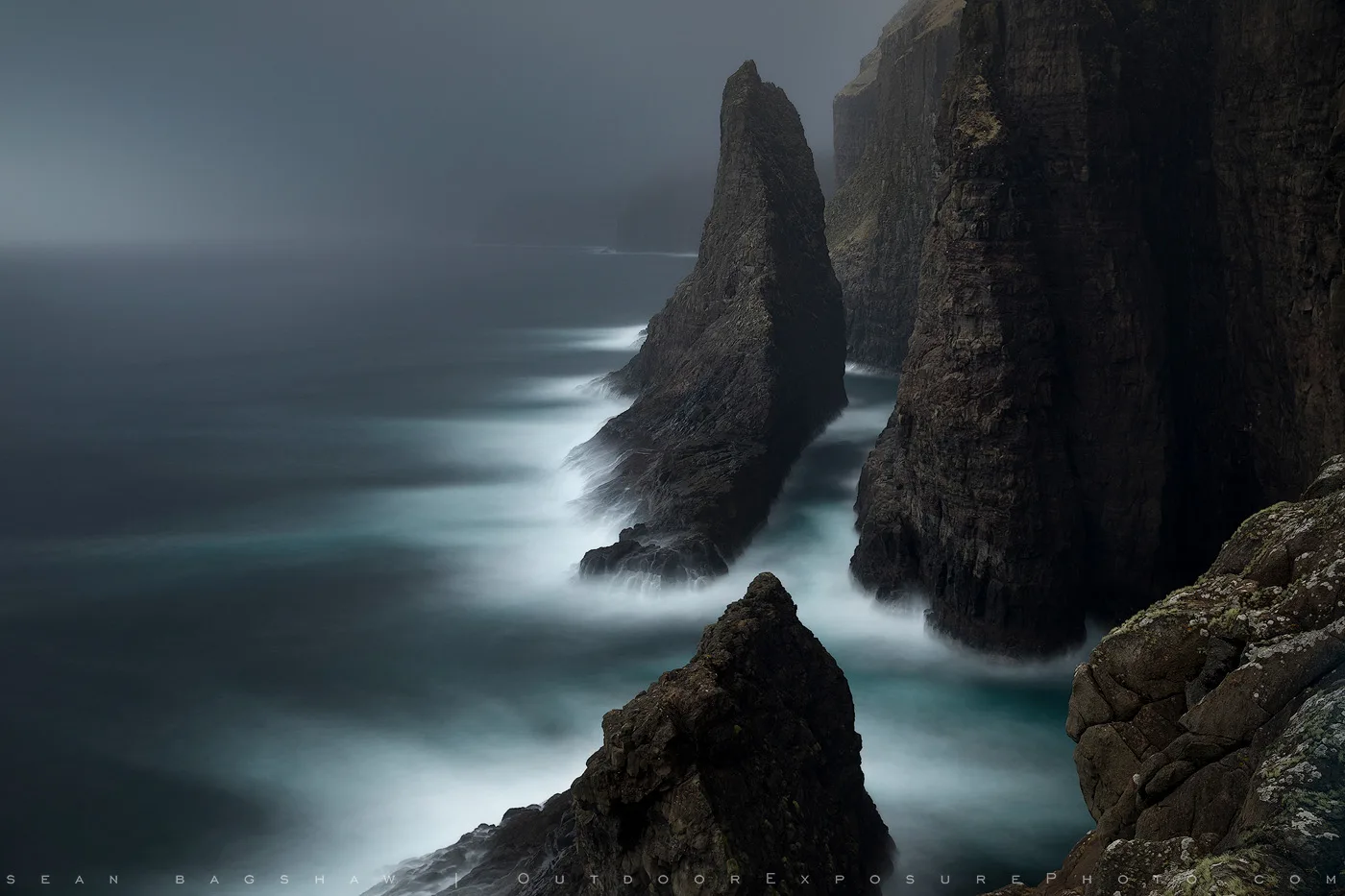
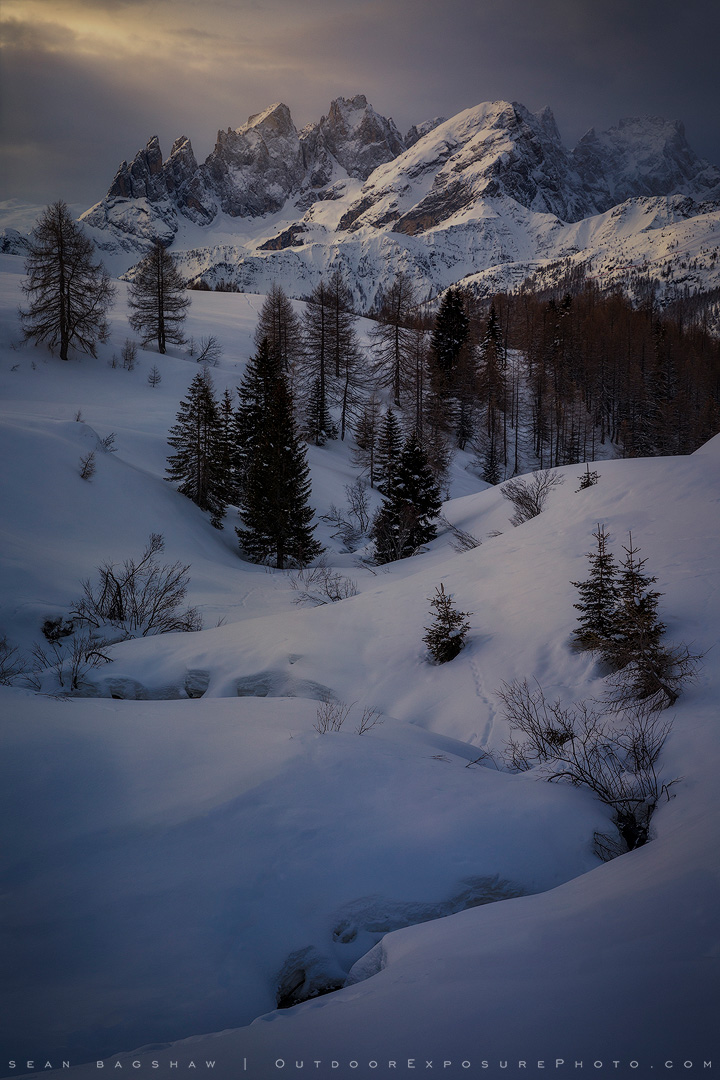
It's that time when many of us look back and remember the year gone by. Photographers often mark time and remember events through the images they make. 2018 has been particularly exciting for me photographically. It was not a prolific year, but I feel I made up for quantity with quality and I was energized by exploring and photographing some far away landscapes that I had never been to before. My 2018 portfolio is dominated by images from the most extensive trips I took, the Dolomites, the Faroe Islands and Iceland, but images from locations closer to home and more familiar to me also made the cut. It is challenging to edit a year's worth of work down to just 10 images, but I am pleased with and proud of my selection this year. So I present you with my favorite photos of 2018 (in no particular order). Thanks for stopping by. I hope you enjoy them.

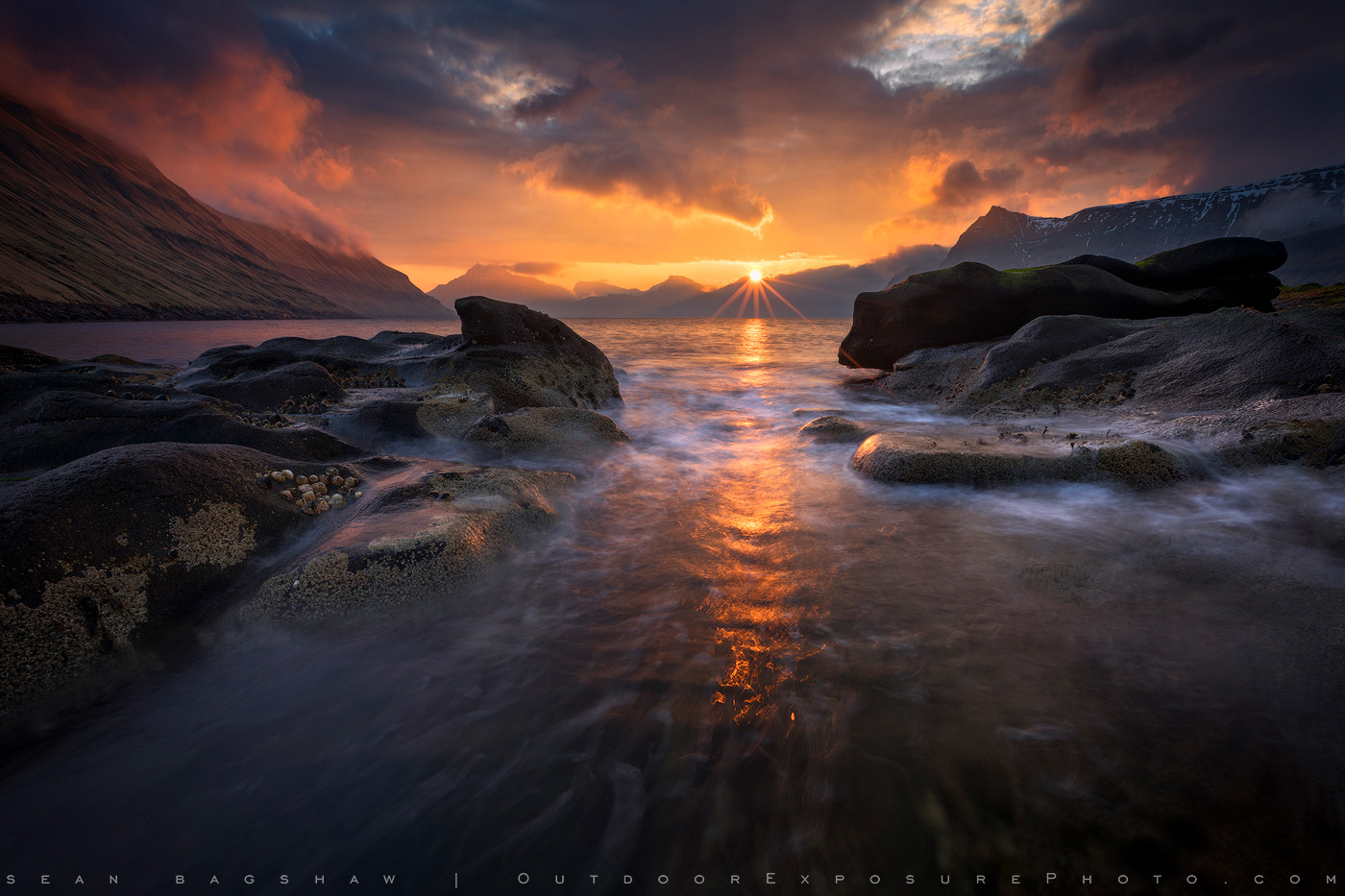
Daybreak Over Kalsoy, Faroe Islands
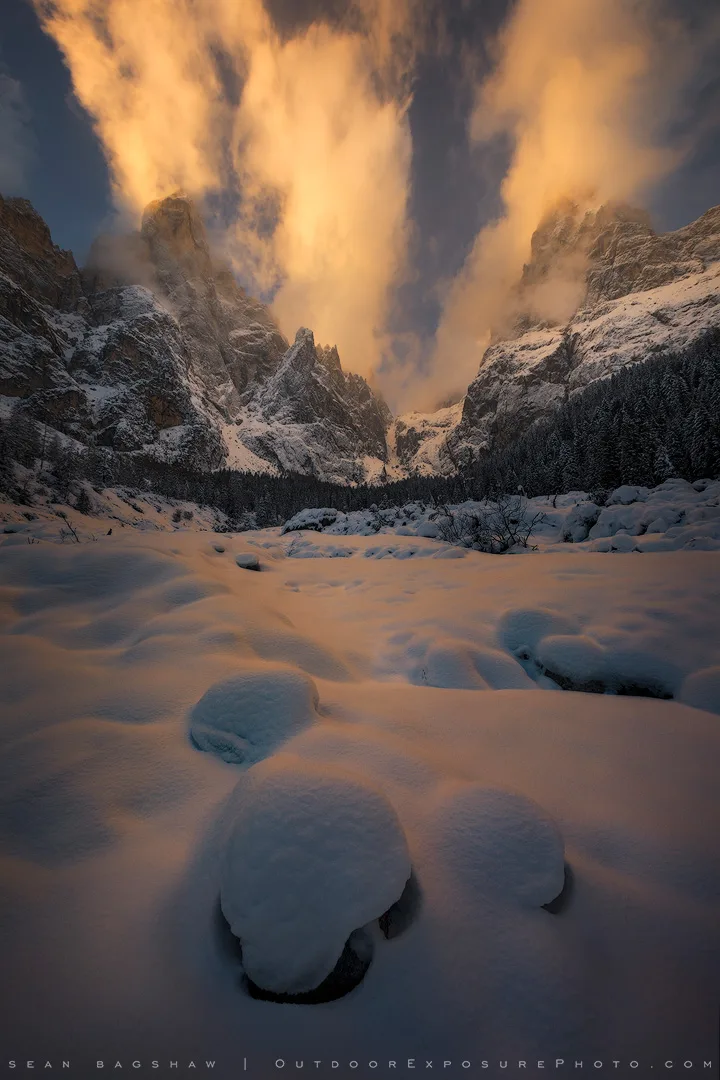
Emergence, Italian Dolomites
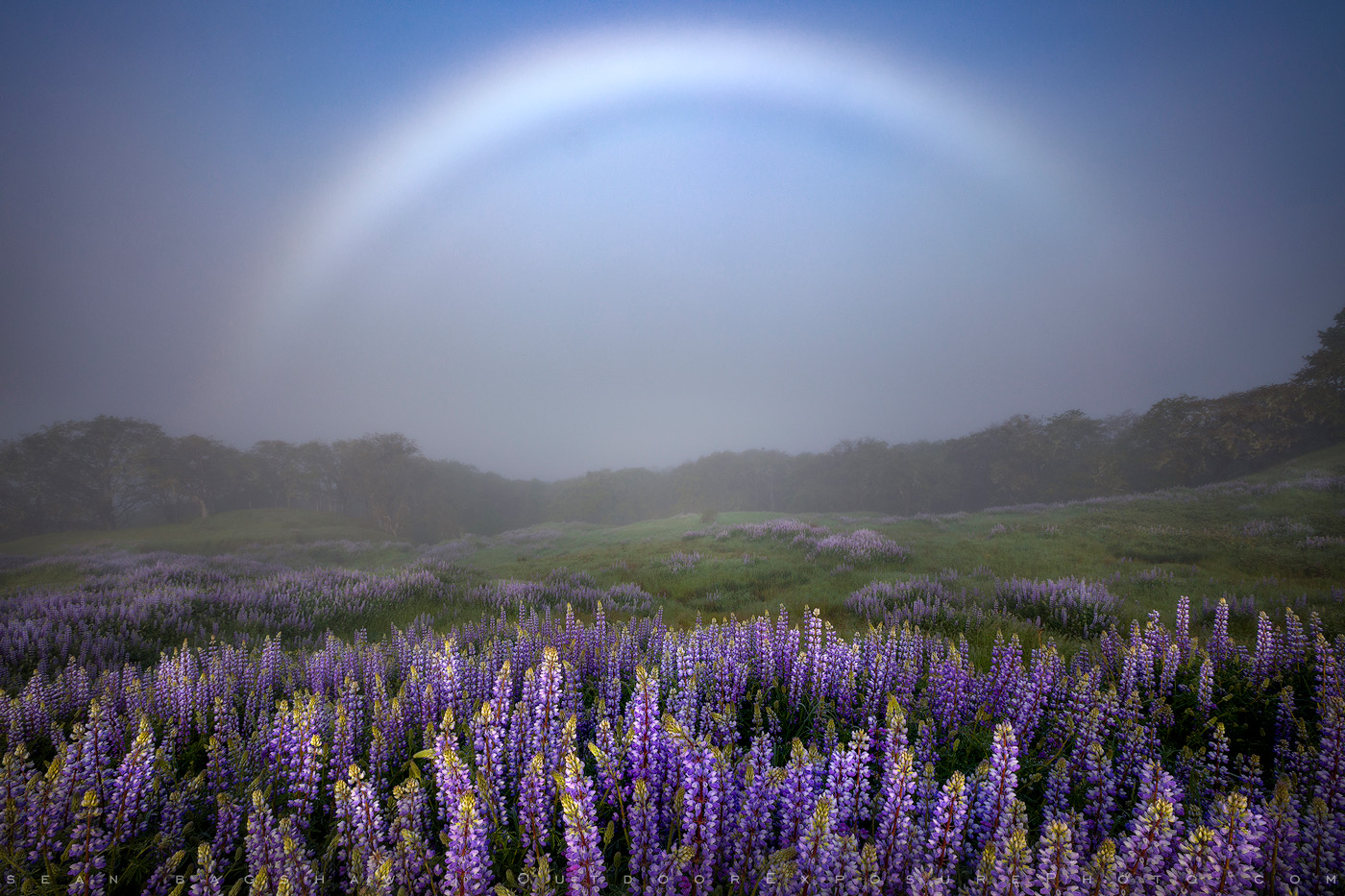
Fog Bow and Lupine, California
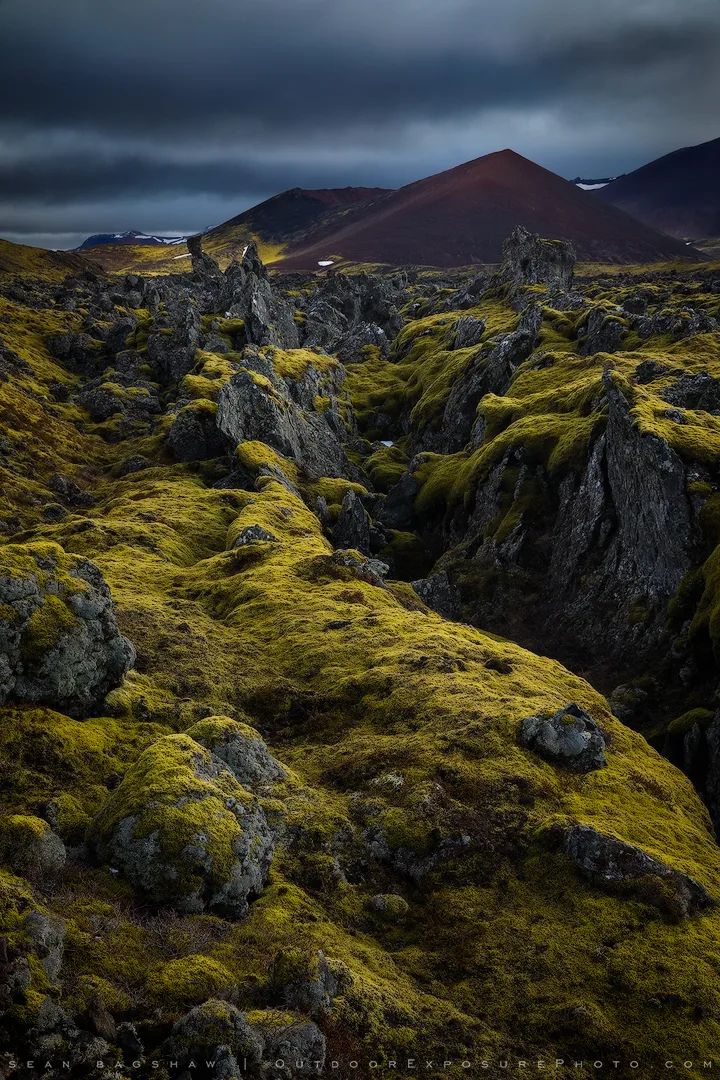
Lava and Moss, Iceland
Pierce The Sky, Italian Dolomites
Wheel In The Sky, Trinity Alps, California
Psychedelic Dettifoss, Iceland
Ancient Trees, California
Nothing Beyond, Faroe Islands
Storm Break, Italian Dolomites

Filed Under: Photography Journal, Best Of The Year, Featured Photos

My Favorite Photographs From 2014

December 29, 2014 by Sean Bagshaw 46 Comments

My Favorite Photographs From 2014

As 2014 draws down to it’s final day, I’m reminded that it is time to write this once yearly article and share my favorite images from the last 12 months. All credit actually must go to Jim Goldstein, who for the past eight years has curated his now famous and highly anticipated Best Photos project. Every year Jim invites photographers from around the world to look back at their year, reflect on their images and agonizingly select just a few that feel significant. Over 300 photographers contributed last year alone. The 2014 edition will come out the week after New Years and the previous seven editions of The Best Of articles are always available on Jim’s blog.

It is a great tradition on many levels. Looking back at one’s work over an entire year is a valuable exercise for a photographer. It is a challenge to look through hundreds, or thousands, of images and decide which ones call out for a closer look, remind us of memorable moments, mark milestones or communicate something that will impact others. Being included in Jim’s list is also a fun way to participate in the photographic community, contribute to the growing interest in photography as an art form and connect with other like minded people who share a passion for outdoor photography. Furthermore, I look forward to spending a good evening, or three, exploring the photography of others who contribute their year’s best. Every year I am introduced to compelling imagery by people I wouldn’t otherwise know about and I learn from and get inspired by the creativity and adventurous spirit of others.

Without further rambling, I present my favorite photographs (and some short narration to go with them) from 2014. I hope you enjoy and I wish you many life affirming adventures in 2015! Please share which ones you like best, or anything else for that matter, in the comments below. (You can click on images if you would like to view them larger)


Kaloko-Honokohau National Historic Park, Big Island of Hawaii

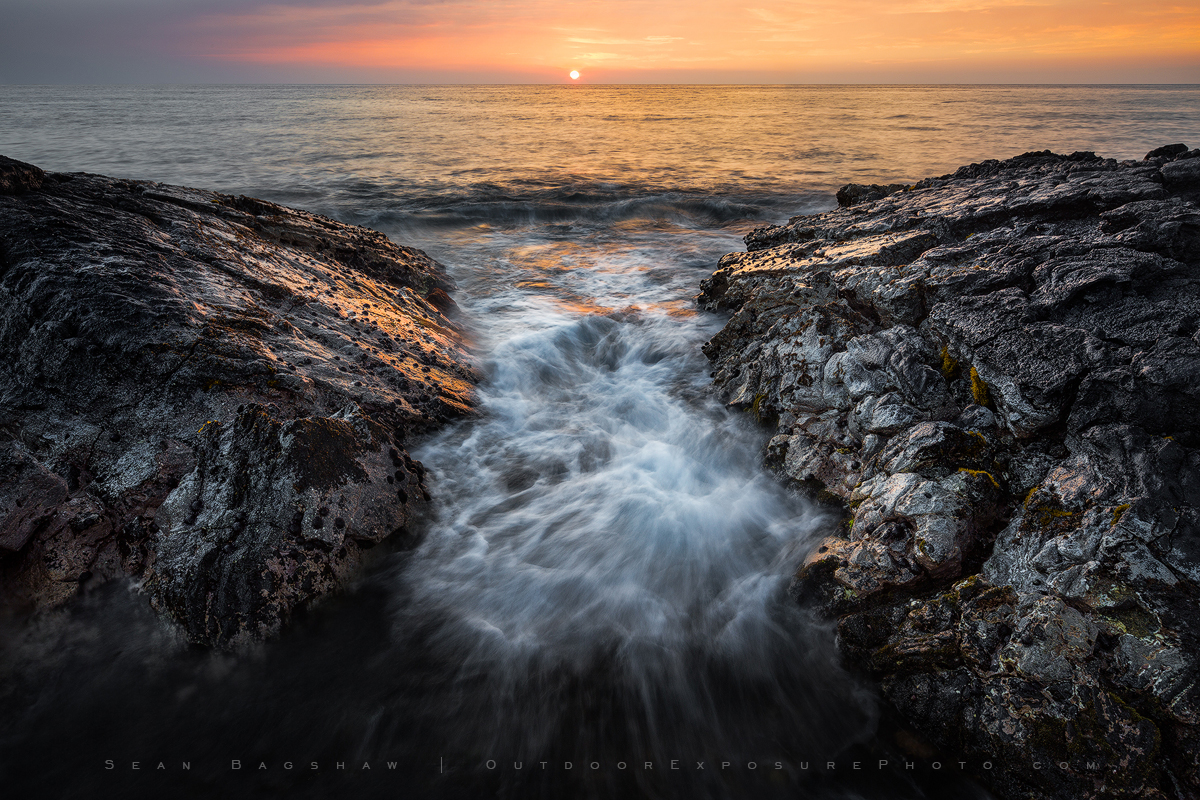
Inlet

I enjoy the warm, saturated light, the symmetry of the rocks and the dynamic water motion in this scene I found just hours after arriving on the Big Island of Hawaii in February.

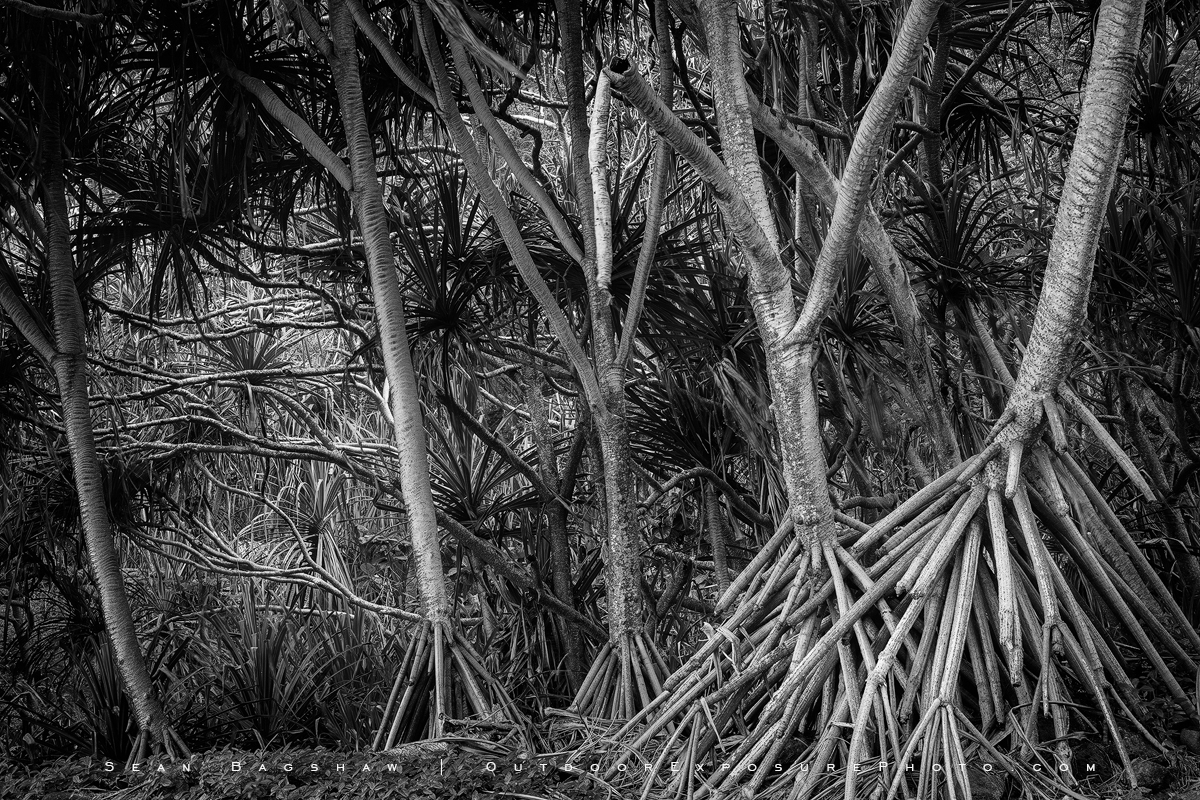
Hala Trees, Waipio Valley, Big Island of Hawaii

Hala Trees

I was fascinated by the Seussian character of this forest in the Waipio Valley on Hawaii. Intrigued by the shapes, tones and subtle light, I chose to showcase these features and go without color.

Lands End

Land’s End

The rugged coastline of Southern Oregon is some of the most dramatic on the planet as far as I’m concerned. One evening in March, after many previous visits to this spot, David Cobb and I were treated to a sunset that helped convey its beauty in a photograph. I particularly like the tree on the headland in the distance.

Eclipse Over Mt. Shasta Revisited, Shasta Valley, California

Lunar Eclipse Revisited

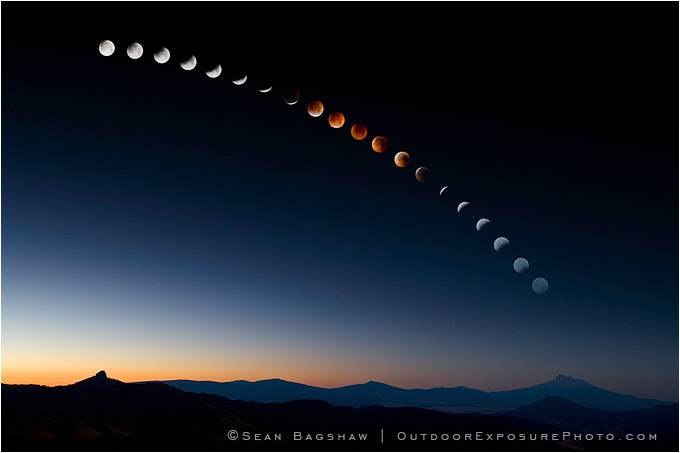
In 2007 I first photographed a lunar eclipse over Mt. Shasta. Since then my technique and equipment have improved but I had been waiting for a chance to revisit the theme. My opportunity finally came in April, with a total lunar eclipse on a cloudless night.

Now Comes Spring

Now Comes Spring

Lupine may be my favorite flower on the earth so this meadow took my breath away. When I saw the sun sinking through a layer of thin clouds I knew the conditions for photographing the lupine with back light would be optimal. Their slender height makes them very challenging to photograph since the slightest breeze sets them swaying.

06-The_Gift_Tree

The Gift Tree

My favorite rhododendron in my favorite redwood grove. Myself and others have photographed it many times, but one evening in May all the elements for magic came together: flowers, light fog and soft, warm light from the setting sun.

Storybook Land, Lake Bled, Slovenia

Storybook Land

Slovenia is perhaps the most picturesque small country I have visited, with craggy Alps, lakes, medieval villages, castles, church spires, waterfalls, canyons and enchanted forests. My childhood storybook vision played out in front of my camera one morning at Lake Bled.

08-Piran

Piran

Piran is a classic walled village on Slovenia’s coast. At night, light, shadow, color, setting and mood all play together. Through my camera I was transported to a past time.

09-Autumn_Thunder

Autumn Thunder

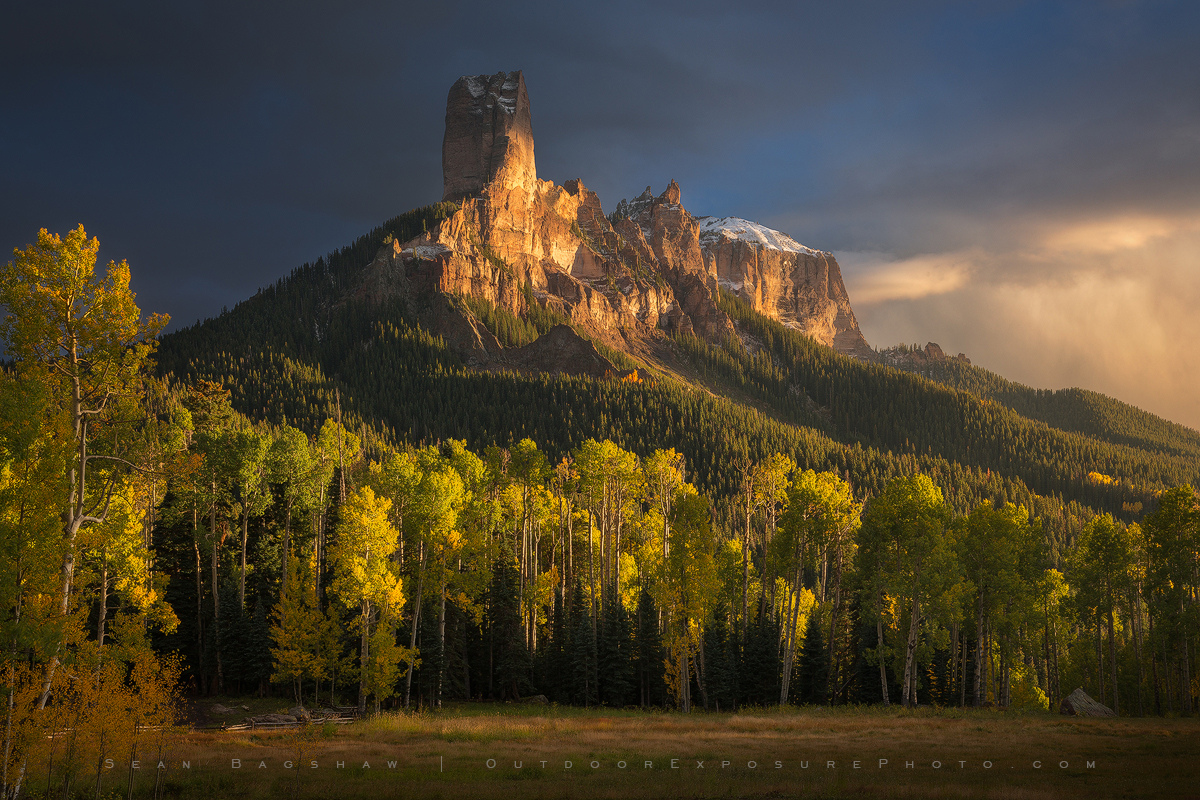
Zack Schnepf and I were constantly on the job in Colorado during the fall this year. Out of all the memorable scenes we photographed on that trip, this sunset storm light in the Gothic Valley near Crested Butte stands out.

10-Reunion

Reunion

Aspen trees, in addition to having brilliant fall color, have a cartoonish, human quality. To me this grove looked like a group of old friends getting together.

11-True_Grit

True Grit

Another spectacular light show in the mountains of Colorado. The quality of light combined with the dramatic peaks, dusting of snow and yellow aspen made this one of the best outdoor visual experiences I had all year.

Filed Under: Featured Photos, Photography Journal Tagged With: Favorite Photographs, landscape photography, outdoor photography

My Favorite Images of 2013

December 30, 2013 by Sean Bagshaw 34 Comments

My Favorite Images of 2013

Another wonderful year of traveling, exploring, searching, watching, waiting. These are the photographs I took in 2013 which are my favorites. Which is your favorite? (Each image can be viewed larger by clicking on it.)

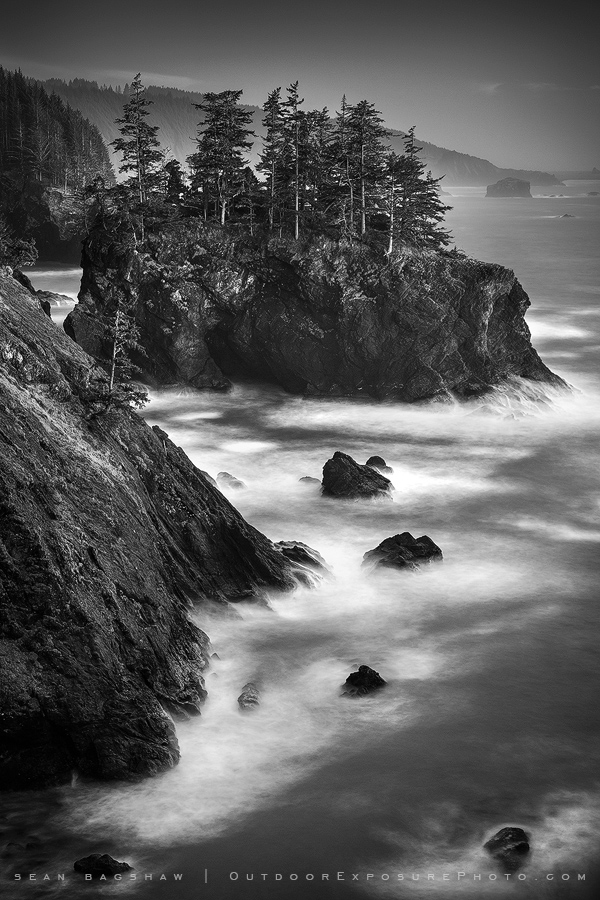
Lonely Coast. Late twilight on cliffs edge somewhere on the southern Oregon coast.
March. Lonely Coast. Late twilight on a cliff edge somewhere along the southern Oregon coast.

Fortuna-Falls
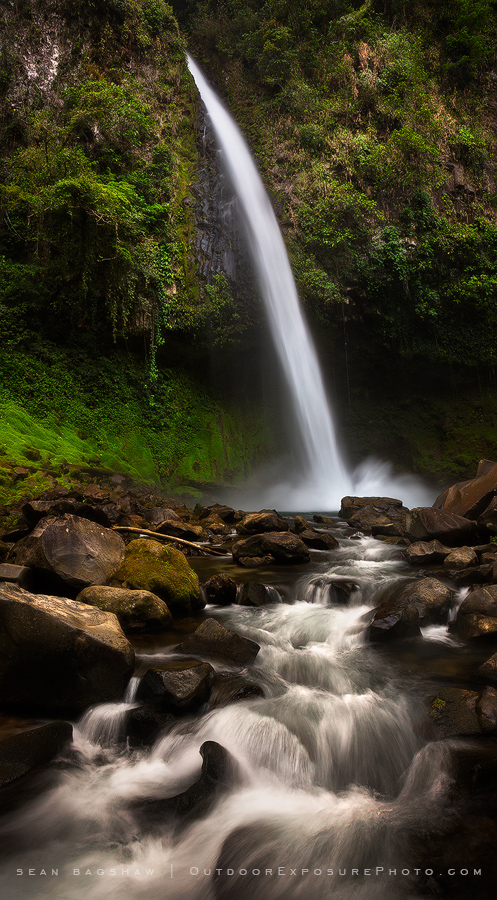
March. La Fortuna Falls, Costa Rica.

The-Mighty-and-The-Meek
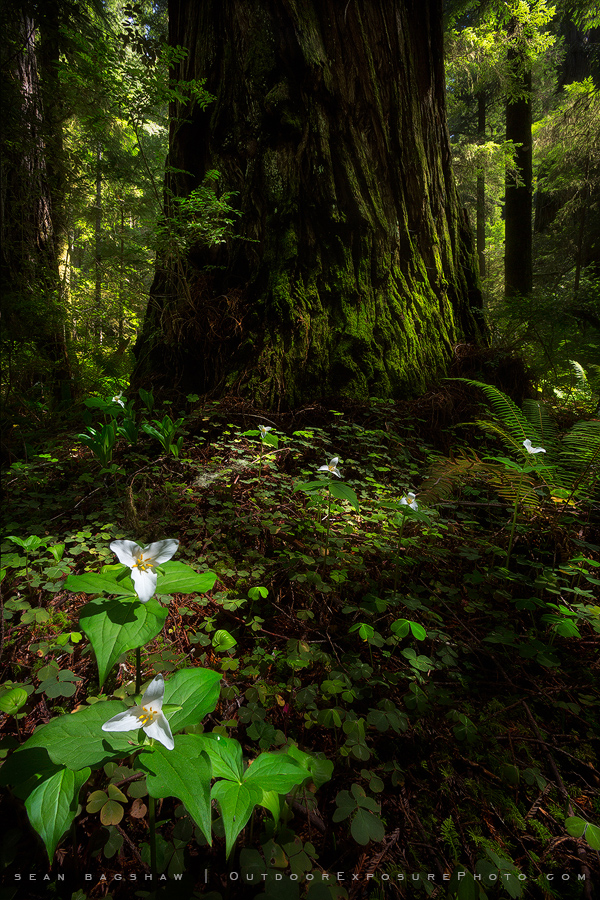
April. The Mighty and The Meek. Trillium growing in the shadow of a towering redwood.

Tattered-and-Swift
May. Tattered and Swift. Thunderstorms looming over Steens Mountain.

Shadows-Call
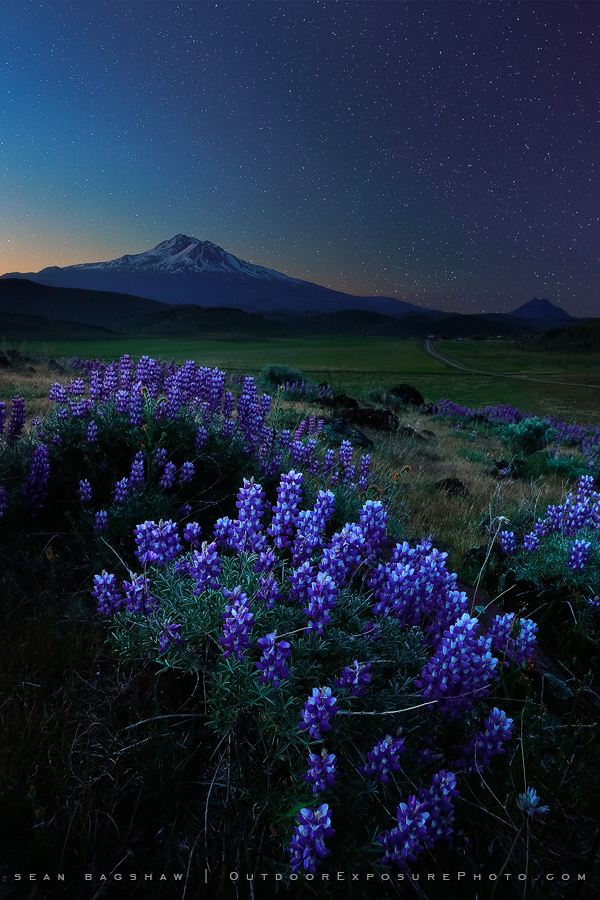
May. Shadows Call. Spring lupine beneath the stars in the Shasta Valley.

Gates-of-the-Imnaha
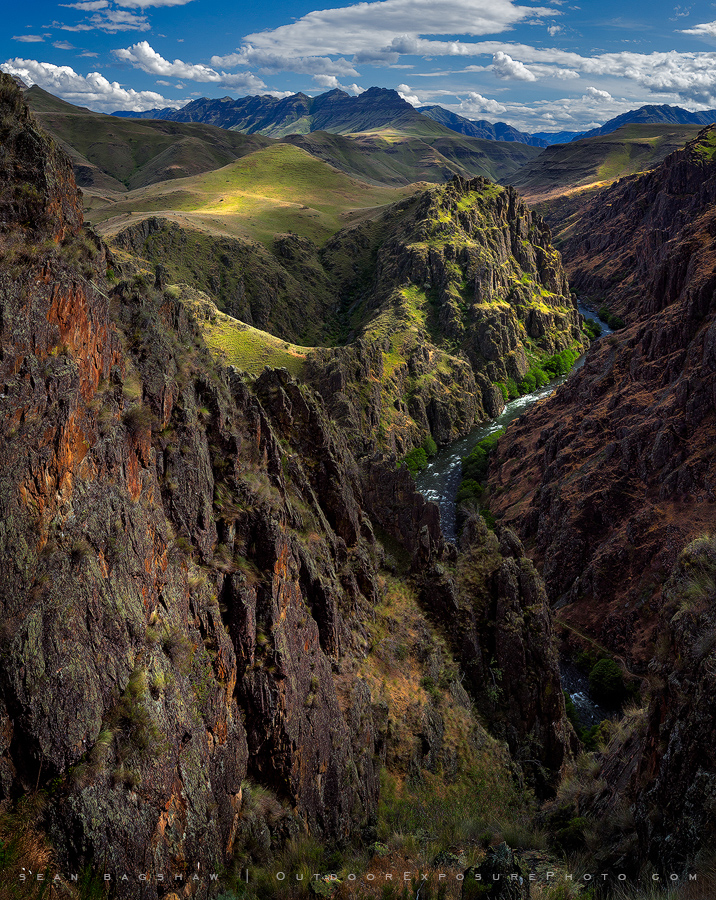
June. Gates of The Imnaha. Fleeting spring green in the Imnaha River Canyon.

Reflection-Lake
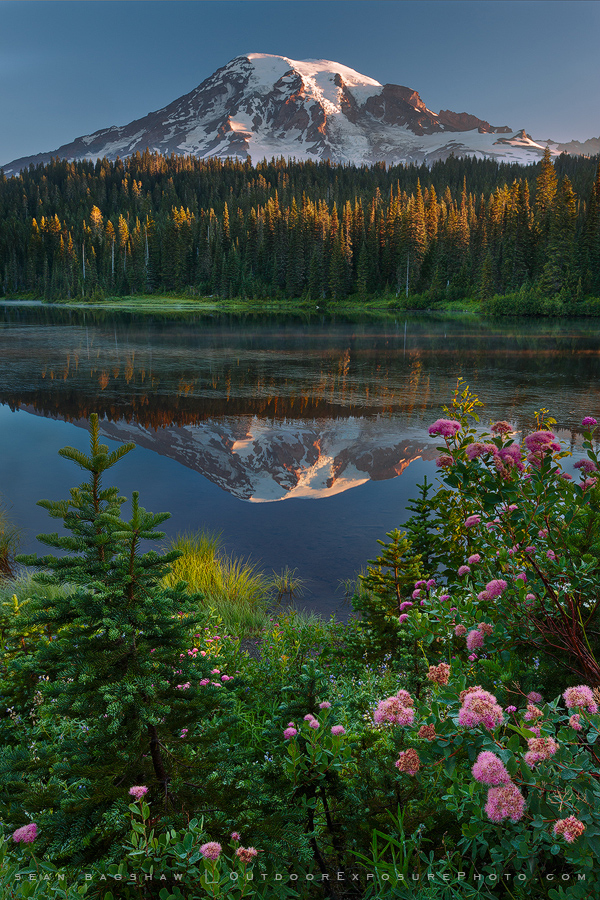
August. Reflection Lake. A classic sunrise view and reflection of Mt. Rainier.

Two-Guardians-of-Cape-Arago
September. Two Guardians of Cape Arago. Intricate sandstone formations on the Oregon coast illuminated by a fantastic sunrise event.

Panther-Creek-Falls
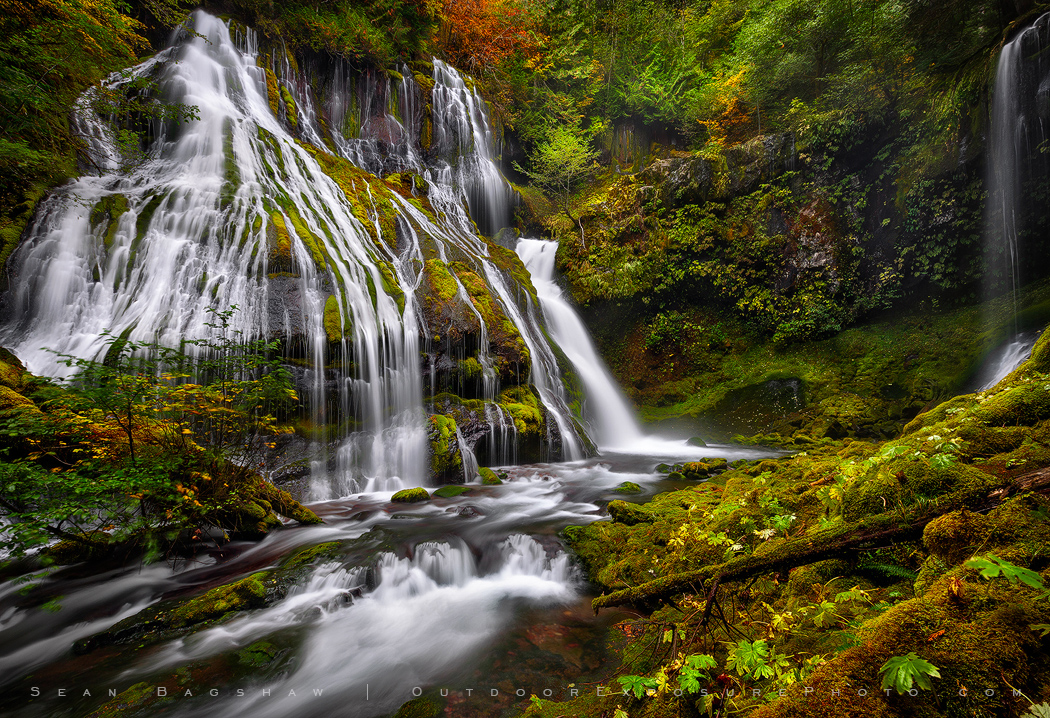
October. Panther Creek Falls. One of the most delicate and beautiful waterfalls in the Northwest.

Stillness-and-Light
October. Stillness and Light. Compelling geometry, light and color at one of Oregon's most loved landscape scenes.

Golden
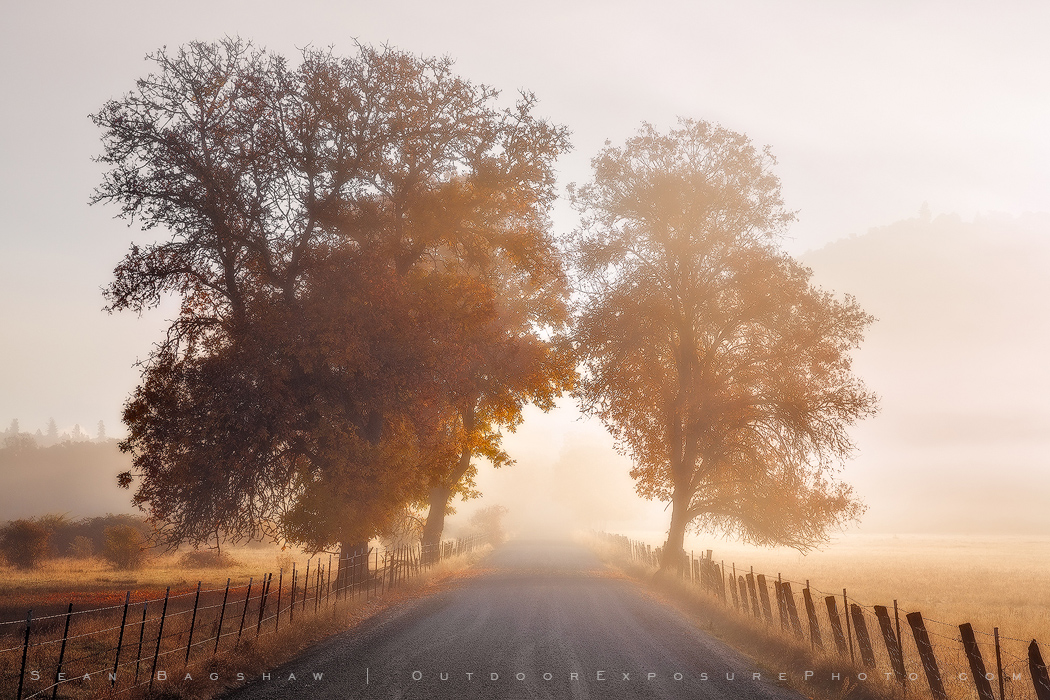
November. Golden. A country road disappears into the colors, light and mists of fall in the Rogue Valley.

Early-Winter
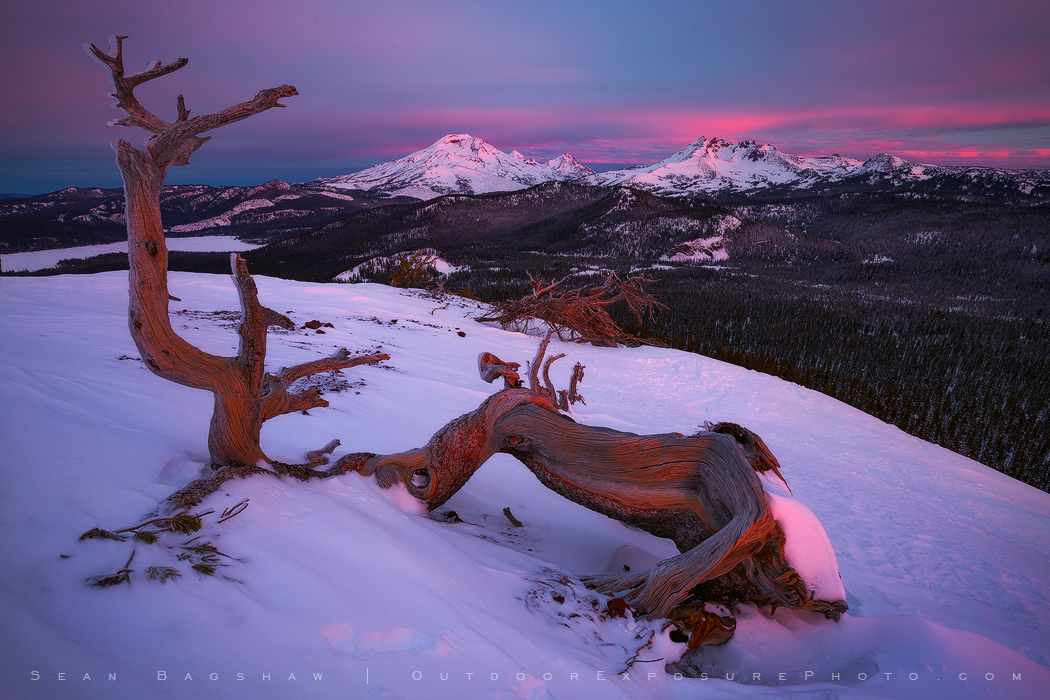
December. Early Winters. Alpenglow light at dawn in the central Oregon Cascade Range.

Sharpened-version
December. Ice and Fire. Delicate ice and reflected sunrise light on the Crooked River after an early winter cold snap.

December 31. The final hours of 2103 spent on the Oregon coast.
December 31. End Of A Year. The final hours of 2103 spent on the Oregon coast.

Filed Under: Featured Photos, Photography Journal Tagged With: Favorite Photographs, landscape photography, nature photography, outdoor photography

Anatomy Of A Sunrise

August 31, 2011 by Sean Bagshaw 8 Comments

Anatomy Of A Sunrise

Have you seen the time lapse twilight and night photography of Terje Sorgjerd? In his film, The Arctic Light, he shares a gorgeous high speed chronology of extended magical twilight hours he finds in the far reaches of Norway. In the spring sunsets and sunrises at this latitude can last for many hours.

Not counting people who live in such extreme latitudes as northern Norway, I don’t think we get frequent chances to carefully study a magnificent twilight sky show these days. Many of us aren’t awake and outside early enough in the morning to witness the sunrise. Much of our day in these modern times is spent indoors or within an urban landscape which significantly reduces how much time we spend viewing the sky. I have often noticed a faint warm glow coming through my east facing living room windows only to find I was missing a brilliant sunset in the sky to the west. Additionally, opportunities to linger in the twilight are commonly sacrificed to the pace of life, rushing from office to car with heads down or eating dinner while reading an iPad, sorting through junk mail and sending texts. Many of us can only remember a handful of times when chance and circumstance have enabled us to be in the right place at the right time to look up at the sky and be amazed.

As an outdoor photographer I have learned to revel in the light at the edges of day. I devote many mornings and evenings to searching for the conditions that will allow me to have an exhilarating sunrise or sunset experience just one more time. The process of photographing at the edges of day motivates me to watch with great interest and concentration. Some sky shows last for mere seconds, while others will linger for many minutes, colors changing and moving around the sky. I can only imagine witnessing a twilight that lasts for many hours, such as the ones Terje records in Norway.

Recently I came across a series of photographs I took during a spectacular sunrise in North Cascades National Park in Washington in the fall of 2010. It was one of those rare occasions in which the event played out over many minutes, allowing me to photograph it several times from slightly different vantage points. While I worked on each image individually I didn’t notice how, as a series, they illustrate the anatomy and progression of light, color and pattern in a way that is hard to share any other way.

This is how that morning unfolded. Chip Phillips, David Cobb and I had camped in a dense wood below Cascade Pass near Sahalie and Pelton peaks and the stunning Sahalie Arm trail. The night before we had been dismayed at the sight of a fallen climber’s body being lifted out of the mountains on the end of a rope beneath a rescue helicopter. It was still replaying in my dreams when Chip rose at 3:00 AM with the intent of hiking high above the pass before sunrise. David left camp second, about an hour later. I was last out of camp and wasn’t far up the trail when the sunrise light began to show itself.

Cursing myself for sleeping too long, I made this photograph along the trail still low in the valley in near darkness. The first light was just beginning to illuminate the clouds and the dark features of the land. A long 15 second exposure at f/13 and ISO 640 recorded the dim landscape much brighter than it appeared to the eye. A second exposure of just 4 seconds captured a good exposure for the sky and the properly exposed areas of each were blended together using layer masking techniques.

Aware that the best light would come rapidly and that I wasn’t in the ideal location, I ran up the trail, stumbling in the dark and breathing hard. The color intensified and I frantically searched for something to anchor the foreground of my next photo. I found a small mountain ash tree turning red with the coming autumn. At the same time I noticed the stream in the valley beginning to reflect the red-orange of the warming sky. Radiant light reflecting off the undulating under surface of the clouds back lit the foliage making it appear to be glowing from within. This wide angle, vertical composition turned out to be my favorite from that morning. I titled it Unforgettable Fire and it is now part of my print collection.

Satisfied that I had managed to take a good photo despite my late start I relaxed a bit. However, to my surprise, the color showed no signs of abating. I continued up the trail looking for other perspectives from which to photograph the scene. I scrambled around, struggling to find a composition as compelling as the last. While I didn’t find another that felt as good, I kept stopping to shoot because the color in the sky continued to spread and intensify, accentuating the shapes in the clouds. In this image the brilliant reds and oranges overpower the rest of the scene.

Further along my ascent of the pass the colors began to shift from deep reds to lighter oranges and yellows and cool light began to filter through the cloud layer from above.

Finally, as the day brightened, the sun rose above the cloud layer. The under-lighting faded along with the color, leaving the clouds flat and gray from below but giving a glimpse of blue sky and higher clouds above.

That morning, as well as many others, have become important and indelible parts of my consciousness. Through photography I have become better at being acutely present and attentive during such magical twilight events, making them that much richer, meaningful and memorable. Having the photographs as keepsakes gives me the opportunity to relive the experience and see it again in ways I wasn’t able to as I witnessed it.

Filed Under: Featured Photos, Photography Journal Tagged With: landscape photography, National Park Photography, photography technique, Twilight Photography

My Favorite Images From 2010

January 3, 2011 by Sean Bagshaw 25 Comments

My Favorite Images From 2010

Despite their ubiquity this time of year, I always look forward to year end reviews in which we, as a society, look back at the previous year and what came of it. There is something intrinsically valuable about the practice of remembering the year gone, both personally and as a community. I appreciate the sense of closure it gives; a sort of taking stock and clearing of the air, a brief pause before barreling toward the future again. We do this for all aspects of life. The media loves to inundate us with lists and images recalling the year in politics, movies, economics, environmental crises and sport. Many of us take stock of what our personal lives brought in the past year as well.

Like many of my photographer colleagues, much of my year is wrapped up in the places I traveled and the photographs I made. Much effort and time is spent in pursuit of those few defining images that rise above the rest. They alone tell the story of my success or failure to communicate the vision I strive to capture and share. Despite success or failure, it is really about going for the ride. Whatever the outcome I take heart in adding another year to my photography story.

With those thoughts in mind I share some of my favorite images taken in 2010. Enjoy.

Camino de Oro
Camino de Oro, Guanajuato, Mexico

Lost In A Winter Forest, Crater Lake, Oregon

Copper Coast, Puerto Escondido, Mexico

Shasta Lavender, California

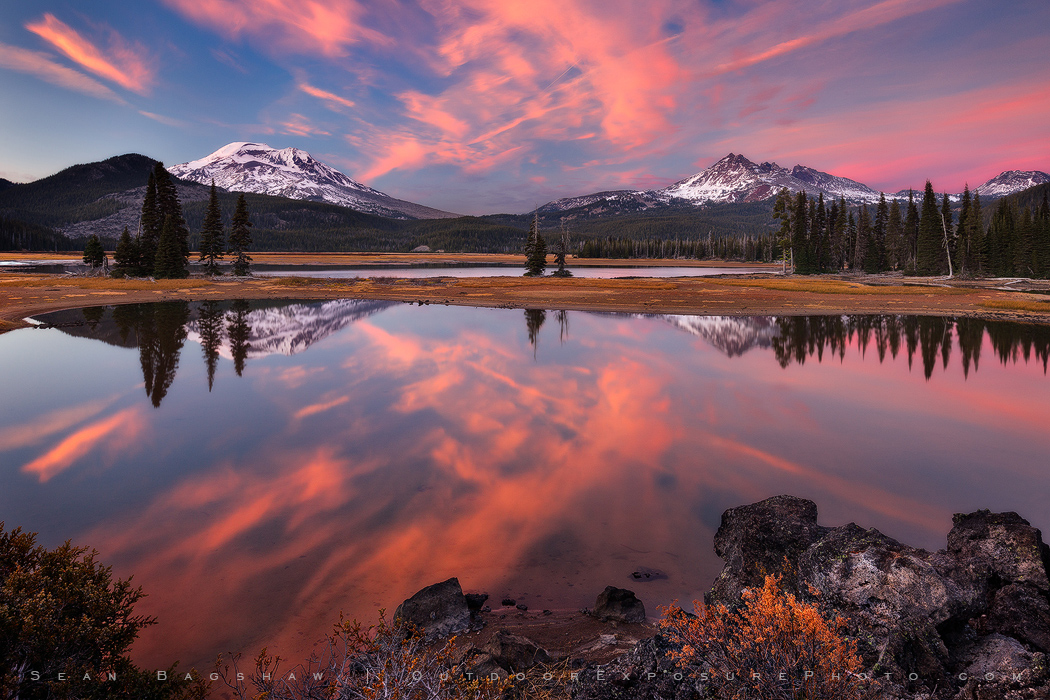
Sparks Lake Columbine, Oregon

Twilight Grove, Redwood National Park, California

Unforgettable Fire, Cascade Pass, Washington

Mineral de Pozos Doorways, Mexico

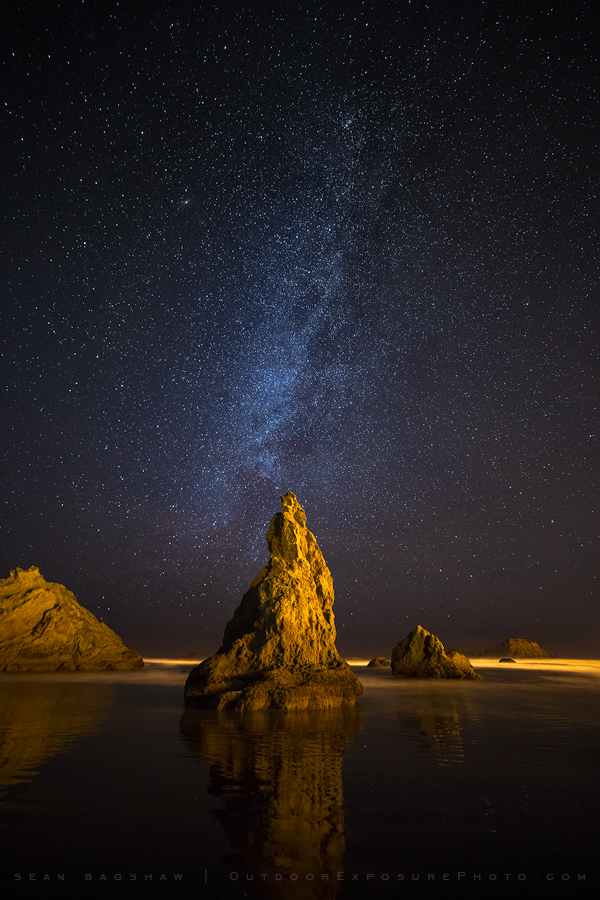
Teardrop Of Sky, Bandon, Oregon

Starvation Creek, Columbia Gorge, Oregon

Thanks for looking. I’d love to read any comments questions you might like to share, so please post those below. If you’re feeling it, please share this blog on your social media site of choice. Here’s to 2011!

Filed Under: Featured Photos, Newest Fine Art Prints, Photography Journal Tagged With: fine art photography, landscape photography, nature photography, southern oregon photographer

Photographing in Lassen National Park

August 5, 2009 by Sean Bagshaw 8 Comments

Photographing in Lassen National Park

Mt. Lassen National Park in northern California seems to be one of the lesser known and visited national parks. It make lack some of the panache, history or supreme grandeur that the better known parks have. However, as a photographer, I really enjoy the diversity, volcanic activity and wilderness feel it has. On my most recent trip, in addition to some of your more standard nature images, I was able to take some photos that I feel are truly unique and artistically intriguing.

Burney Falls State Park is less than an hour's drive north of Lassen

Several lakes in the park provide views and reflections of Mt. Lassen and other peaks.

Twilight glow, Mt. Lassen, Chaos Crags and Manzanita Lake

The boiling mud pots in Bumpass Hell are a sight you won’t see outside of Yellowstone. With some special light or atmospheric conditions they have the potential for some very interesting photography.

Bumpass Hell boiling mud pots and pools, Lassen Volcanic National Park

Kings Creek Falls is just one of many along a spectacular stretch over a mile long that drops steeply into a canyon.

Kings Creek Falls
Kings Creek Falls

But so far, the area around Butte Lake, in the north east corner of the park is my favorite for photography. The large cinder cone makes a great photo subject in itself, and from its summit one can photograph the surreal Painted Dunes and lava beds. The forest of ponderosa pine and carpets of pine cones also make interesting photography subjects.

The Cinder Cone, Lassen Volcanic National Park

Painted Dunes, Lassen National Park

Sunrise light on the Painted Dunes

Ponderosa pine cones

Filed Under: Featured Photos, Photography Journal Tagged With: favorite spots in lassen national park, fine art landscape photography, landscape photography in california, lassen volcanic national park, photographing in lassen national park, photography locations in lassen national park

Jefferson Wilderness, Jewel of the Oregon Cascades

August 4, 2009 by Sean Bagshaw 2 Comments

Jefferson Wilderness, Jewel of the Oregon Cascades

The Jefferson Wilderness in the Oregon Cascades, located to the north of Santiam Pass, east of Salem and West of Sisters, is one of the most amazing natural mountain environments on the west coast. Mt. Jefferson itself is awe inspiring as the second highest peak in Oregon and host to the largest glaciers in the state other than those found on Mt. Hood.

Warm sunset light on Mt. Jefferson and Bays Lake

In days past I have trekked into Jefferson Wilderness on several occasions, either backpacking or to climb Three Fingered Jack or Mt. Jefferson itself. This was my first time to visit specifically to take photographs. The wilderness is home to some extremely photogenic countryside. For the dedicated photographer willing to backpack in with camera gear and spend a couple days exploring it is a wonderland.

In July I spent a memorable week with fellow photographer, David Cobb (www.dmcobbphoto.com), photographing in two different parts of the wilderness area.

Mt. Jefferson reflected in Rock Lake

First, we backpacked in to the popular Jefferson Park area via the Woodpecker Ridge Trail which is accessed by a forest road (road 040) a few miles to the east of the town of Detroit. Jefferson Park can be overcrowded on weekends in August, but midweek in July, when there is still quite a bit of snow on the ground and the mosquitoes are at their peak, we only saw three or four other parties in three days. Jefferson Park is popular for a reason. The flat alpine basin at over 6,000 feet of elevation has several lakes and numerous small tarns that reflect some of the best views of the mountain available. As the snow melts wildflowers carpet the marshy meadows. The position of the Jefferson Park area on the north side of the mountain means that in summer the peak gets great side light for photography at both sunrise and sunset.

Snow filled tarn in Jefferson Park

After three days on the north side of the wilderness we hiked out, drove over Santiam Pass and down the east side of the cascades where we drove along more forest roads (road 12 to 1230 to 1234) to reach the Canyon Creek trail head. The Canyon Creek trail starts at Jack Lake ascends toward Canyon Creek eventually arriving at Canyon Creek Meadow at the base of the north east side of Three Fingered Jack. Three Fingered Jack isn’t the highest of the Oregon Cascades, but it is one of the cragiest with the most interesting geologic patterns of colors and layering. Canyon Creek Meadow is located in a glacier carved basin directly at the base of the sheer north face of Three Fingered Jack. In late July it is home to one of the most amazing wildflower blooms in the state. We were a week or two too early for the peak of the flowers, so I look forward to getting the timing better next year. Even still the early morning light on the peak with winding streams, reflecting pools and green meadows below made it one of the more memorable campsites and photography locations I have had. A high ridge blocks the late evening light, so we cooked dinner and hid from the voracious mosquitos in the tent. However, the morning light is sublime. We spent over an hour finding one composition after another as the warm glow of the rising sun slowly progressed down the mountain face.

Paint brush in Canyon Creek Meadow below Three Fingered Jack

Greg Vaughn gives good directions and photography suggestions for both these locations in his book Photographing Oregon.

Three Fingered reflection

Filed Under: Featured Photos, Photography Journal Tagged With: canyon creek meadow photography, cascade range wilderness, Jefferson Wilderness, oregon photographer, photographing mt. jefferson, photographing three fingered jack, photography by sean bagshaw, photography in jefferson park, photography in the jefferson wilderness, southern oregon photographer, wilderness areas in oregon

Photographing the Columbia River Gorge in Spring

June 2, 2009 by Sean Bagshaw Leave a Comment

Photographing the Columbia River Gorge in Spring

Wildflowers at Dalles Mountain Ranch

The Columbia River Gorge and corresponding scenic areas and monuments is one of the most varied and visually compelling natural locations in North America and it is an icon of the Pacific Northwest. Photographically, a visit to the “Gorge” is worth it any time of the year, although summer weekends can become notoriously overcrowded. As with so many locations, the height of spring and fall color are often the best for photography.

0018935-20090405
Bike racers descend the Rowena Curves during the Cherry Blossum Stage Race.

This spring I had the fortune to visit the Columbia Gorge two times and photograph some of the waterfalls found along the Oregon side as well as some of the best wildflower locations found further east near Mosier and The Dalles. This entry in my blog features several of my favorite images from my two spring visits this year. These photographs are new enough that they have not been added to my site yet, but they are available upon request. I hope you enjoy!

Mt. Adams from near the town of Trout Lake

Metlako Falls
Metlako Falls

Punchbowl Falls
Punchbowl Falls

Hiking along Eagle Creek

Elowah Falls
Elowah Falls

Upper Horsetail Falls

Rowena Hills Sunset, Tom McCall Preserve

Mosier Cherry Orchards

Small wildflower with an even smaller spider

Sunrise at Dalles Mountain Ranch

Out to pasture at Dalles Mountain Ranch

Earthbound Sun, balsamroot and lupine

Filed Under: Featured Photos, Photography Equipment, Photography Journal

Photo Tip: Blurry Trees

November 20, 2008 by Sean Bagshaw 2 Comments

Photo Tip: Blurry Trees


Much of my photography is of the greater landscape and I’m often trying to present sweeping vistas with sharp detail. However, I also like to photograph more intimate scenes and abstracts. One of my favorite abstract techniques is motion blur. This can be achieved a few different ways and is a particularly good technique for emphasizing leading lines in a photo while smoothing out distracting elements. The final result can often look more like a painting than a photograph.

I really like to use motion blur with trees that have staight trunks. The technique is more an art than a science, so a lot of experimentation and throw away images are required to get something that I like. I start by setting a relatively slow shutter speed and making a vertical pan (movement) with my camera. I have found that shutter speeds between 1/4 of a second and 1/20 of a second work best. I move the camera up or down, in as straight a line as possible and depress the shutter release as the camera is moving. At slower shutter speeds I pan slower and at faster shutter speeds I pan faster. It is hard to know exactly what will be in the frame so I repeat the process over and over so that I will have many images to select from. Panning the camera while it is on a tripod can help keep the motion steady and smooth, but also limits flexibility.

Physically panning the camera is often all I need to do to achieve the abstract look I’m going for. Other times I selectively add more blur by using the Motion Blur filter in Photoshop (Filter>Blur>Motion Blur). To do this I’ll create a duplicate layer of the background image and blur the duplicate. Then I’ll add a layer mask to the blurred layer and paint with a black brush on the mask to bring through any detail from the original image that I want to keep. This digital blurring technique can also be applied to images that were taken in focus without panning the camera. Digital blurring often takes just as much trial and error as panning the camera.

Several of my favorite photographers have used these techniques to create some wonderful abstract images, including Jesse Spear, Eddie Soloway and William Niel.

Filed Under: Digital Image Editing Tips, Featured Photo, Featured Photographer, Featured Photos Tagged With: camera panning, Digital Image Editing Tips, digital photography, Digital Photography Tips, Eddie Soloway, fine art photography, Jesse Spear, motion blur, nature photography, photography of trees, photography tip, Photoshop motion blur, shutter speed, William Niel

Creating Mystery With Motion And Blending

April 29, 2008 by Sean Bagshaw Leave a Comment

Creating Mystery With Motion And Blending

Griffin's Dream 1

One of the goals of my photography is to create images that have a sense of mystery and the surreal. Photography is so often based in pure realism, but I find that I am attracted to images that give a glimpse into fantasy or imaginary worlds. Many of my friend DAVID WINSTON’S photos have such a quality and I have also mentioned MICHAEL KENNA more than once. Although their subject matter is very different from my own, I am inspired by the photography of NICK BRANDT and GREGORY COLBERT.

Dark Places

In my photography I am often trying to show familiar subjects and locations in a way that is familiar while at the same time mysterious and fantastical. Unique perspectives, purposeful composition, extreme weather, motion and magical lighting can often create something extraordinary in an ordinary setting, but such conditions are not always available. Recently I have been experimenting with some techniques, both in the camera and in the computer, that give me more options when trying to achieve something mysterious and stylized.

Lunar Eclipse

Three of the oak forest photos accompanying this article are from a series I call Griffin’s Dream. I used a slow shutter speed (about .4 seconds or more) and panned my camera vertically during the shot. This caused the trees and grass to blur into streaks of light and dark that look somewhat like brush strokes and help to remove fine details from the scene, leaving only the main elements of form and color.

Griffin's Dream 2

In the right kind of light, panning, zooming and other camera motion effects can create a great final image. However, for the Griffin’s Dream series the light was very flat giving the scene low contrast and washed out colors, so I employed a second technique to arrive at the final interpretations. In order to increase saturation, contrast and dynamic range in the initially lifeless images I used different combinations of blending modes in Photoshop. Darkroom technicians first developed the practice of stacking transparencies or negatives in various ways to produce different effects, and similar effects can be achieved with blending modes in Photoshop. To use blending modes you start by creating one or more layers that are exact copies of your original image (Layer>Duplicate Layer). Then in the Layers Pallet select each layer in turn and change the blending mode in the drop down menu at the top of the pallet. The blending mode defaults to “Normal”, which means that no blending between layers is taking place. For low contrast images I find that a combination of Multiply, Overlay and Soft Light blends work the best, but you have to experiment and see what works for each image. I also individually control the degree of each blend using the Opacity slider on each layer. I think the final result is painterly, surreal and fantastical, more like an impressionistic painting or a forest vision from a child’s dream.

Griffin's Dream 3

Filed Under: Digital Image Editing Tips, Featured Photos, Photography Journal

Featured Photo: Remains Of The Day

July 16, 2007 by Sean Bagshaw Leave a Comment

Featured Photo: Remains Of The Day

remains of the day

In the Rogue Valley we get a serious vetch bloom in May. There isn’t a lot of color variety, but it covers large areas of the surrounding hills, literally turning them purple.

One evening in mid spring this year I was frantically driving around attempting to be in the right place for the best light during an approaching thunderstorm. I missed catching a rainbow and lightning and several other locations just didn’t pan out. I finally was forced to pull over, jump a fence and run up a hill at the last minute to grab this shot right before the sun went down. Then it started to rain. I like working under pressure if I can come away with a shot…otherwise it makes me want to huck my camera off a cliff.

Canon 5D, 16-35mm f/2.8 @ 16mm, 3 stop NDG, dual exposure manual blend of .5 sec @ f/18 and 1/8 sec @ f/18.

More…

Filed Under: Featured Photos

Featured Photo: Prayer Flags in the Fog

June 4, 2007 by Sean Bagshaw 4 Comments

Featured Photo: Prayer Flags in the Fog

prayer flags

This photo was taken at the summit of 17,500-foot Gokyo Ri in the Mt. Everest Region of the Himalayas in Nepal. Gokyo Ri, while much higher than any mountain in the US outside of Alaska is really just a small hill in the Himalayas. It is located above the third lake in the Gokyo Valley which lies directly to the west of the Khumbu Valley, the main drainage leading from the base of Mt. Everest’s south side. From the Gokyo Valley Mt. Everest is obscured from view by a high ridge of peaks running between the two valleys. However, those who make the additional effort to ascent Gokyo Ri are rewarded with a grand view over the intermediate peaks to the world’s highest peak beyond. At least they are when the summit of Gokyo Ri is not enveloped in thick clouds as it was when I arrived. Shivering in the cold wind and physically exhausted by the steep climb at such a high altitude I was disappointed not to see the vista I had been anticipating. However, it was still powerful knowing that I was standing on the brink of a great drop and that the large peaks of the Himalayas spread out beyond my feet. I could almost feel the gravitational pull of Mt. Everest’s huge mass out there in the fog.

Even without the view of the mountains, the strings of Tibetan prayer flags blowing in the swirling wind and fog and isolated from their surroundings created a powerful image in my mind. Despite cold and fatigue I set up my camera and took several shots. I think the one above best captures the sense of windy isolation I experienced on top of Gokyo Ri that day.

On the descent the fog thickened and it began to snow. For a while I lost the trail and veered off course before coming out below the clouds and making my way back to the village at dark.

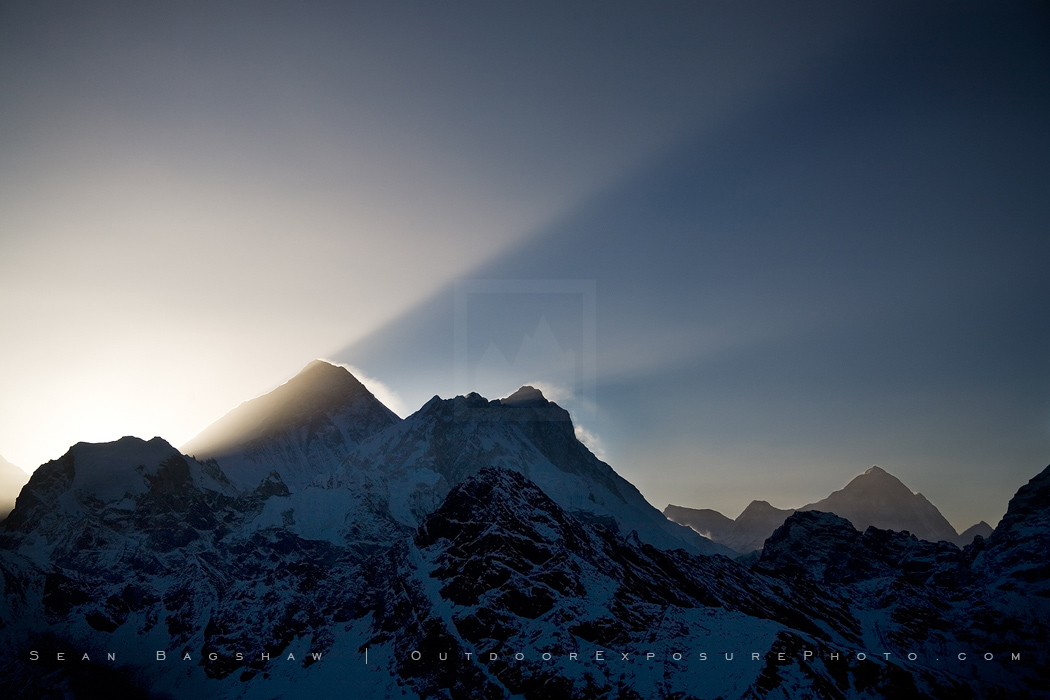
Fortunately I was able to stay in Gokyo for a while longer. Two days later I made the climb again before dawn under clear skies. The sun rose directly behind Mt. Everest sending out rays of light across the valleys and peaks. The second photo is one I took that morning not far from where I had taken the one in the fog two days earlier.

everest

Canon EOS 5D

28-135mm lens

First Image .6 sec @ f/36

Second Image 1/60 sec @ f/6.3 with fill flash

Gitzo Carbon Tripod

Filed Under: Adventure Journal, Featured Photos, Photography Travel Journal

Funeral Procession Below Cho Oyu

April 9, 2007 by Sean Bagshaw Leave a Comment

Funeral Procession Below Cho Oyu

Funeral Procession

In April and May of 2006 I trekked through four valleys in the Mt. Everest region of Nepal. This region, known as the Solokhumbu, is home to the Sherpa people. Living high in the Himalaya the Sherpa are more closely connected geographically, religiously and ancestrally to the Tibetan people than they are to people living in the lowlands of Nepal.

At over 16,500 feet in elevation Gokyo is one of the farthest outposts of habitation in the Everest Region. Located on a glacial lake directly below the massive south face of Cho Oyu, the world’s eighth highest peak, Gokyo has several lodges that serve trekkers and climbers. The lodges are owned and operated by Sherpa people. While I was there the owner of one of the lodges was killed. He was walking from a lower village in the night and fell off the narrow mountain path. Within hours a contingent of Buddhist Monks were summoned from Khumjung to perform a funeral ceremony. In this photo the monks are leading a procession carrying the body into the mountains to perform the traditional cremation.

Canon EOS 5D

Canon 28-135mm f/3.5-5.6 IS USM lens

1/200 sec @ F/8

More…

Filed Under: Featured Photos, Photography Travel Journal

Next Page »

© 2026 · Sean Bagshaw Outdoor Exposure Photography